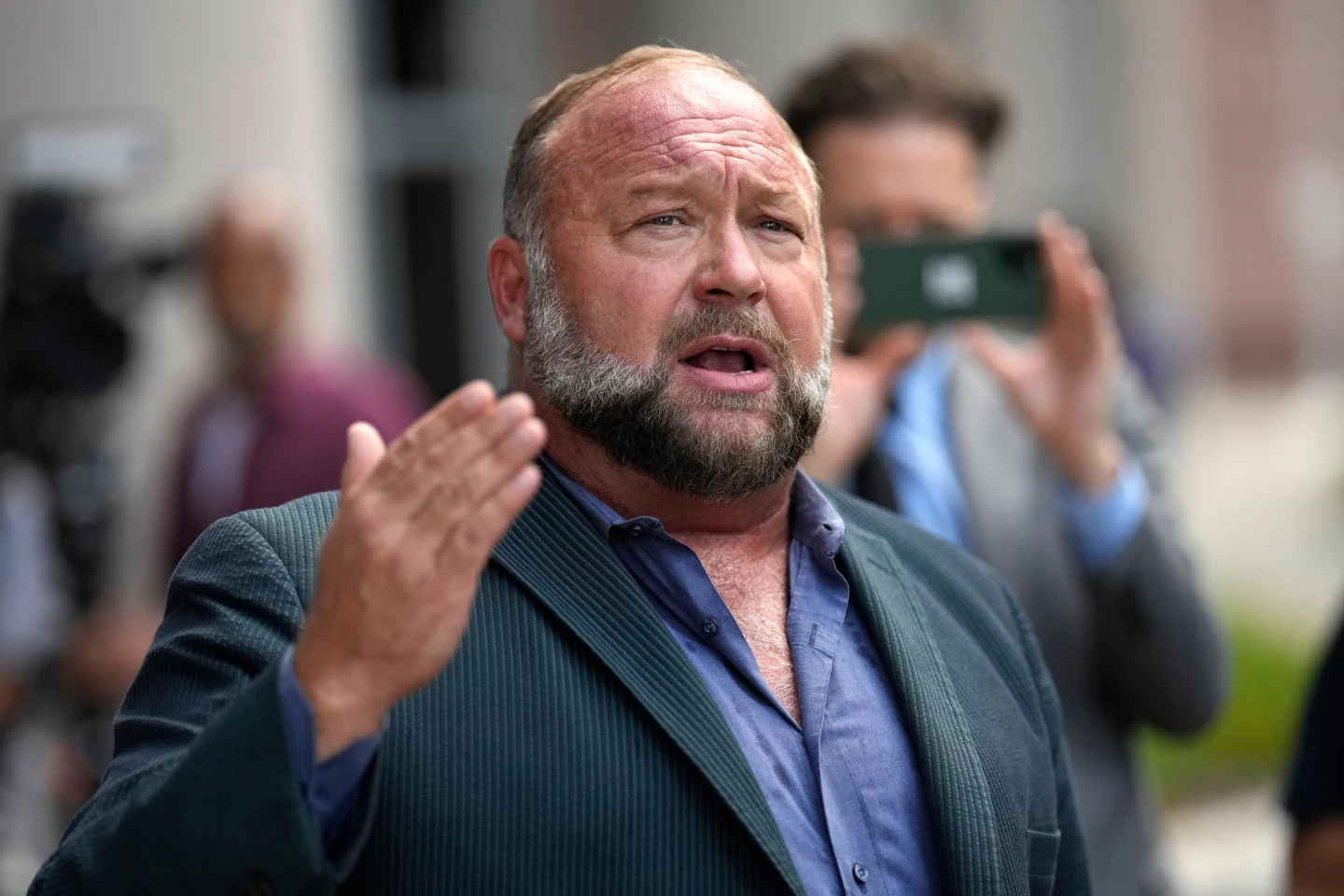
Former Australian soldier Ben Roberts-Smith, the country's most-decorated living serviceman, has faced a serious legal setback as a court ruled against his appeal in a high-profile defamation case. In a landmark decision in 2023, a judge determined that allegations claiming Roberts-Smith had committed war crimes—specifically, the murder of four unarmed Afghan men—were true. Roberts-Smith, who has always maintained his innocence, contended that the judge had made significant legal errors in the verdict.
On Friday, a panel of three judges from the Federal Court upheld the initial ruling. Despite the gravity of the allegations, Roberts-Smith has not been criminally charged, as such proceedings require a higher standard of proof. His defamation suit stems from a series of articles published in 2018 by three Australian newspapers, which included serious claims regarding his conduct during deployments in Afghanistan between 2009 and 2012.
Once regarded as a national hero for his valor against Taliban forces, Roberts-Smith argued that the articles published severely tarnished his reputation. The trial, dubbed “the trial of the century” in Australia, extended over 120 days and is estimated to have cost him up to A$35 million (approximately $22.5 million).
In a previous decision from June 2023, Justice Antony Besanko dismissed the case, asserting it was "substantially true" that Roberts-Smith had engaged in unlawful killings and had bullied other soldiers. Additionally, the court indicated that Roberts-Smith had attempted to conceal his alleged misconduct by lying and threatening witnesses.
In the latest appeal, Roberts-Smith's defense argued that the presumption of innocence should have carried more weight, especially given the serious nature of the allegations. His barrister, Bret Walker, SC, stressed the need for judges to approach such cases with increased caution due to the potential repercussions involved.
As this developing story continues to unfold, more information is expected to be released shortly, highlighting the ongoing public interest in this historically significant legal case.
On Friday, a panel of three judges from the Federal Court upheld the initial ruling. Despite the gravity of the allegations, Roberts-Smith has not been criminally charged, as such proceedings require a higher standard of proof. His defamation suit stems from a series of articles published in 2018 by three Australian newspapers, which included serious claims regarding his conduct during deployments in Afghanistan between 2009 and 2012.
Once regarded as a national hero for his valor against Taliban forces, Roberts-Smith argued that the articles published severely tarnished his reputation. The trial, dubbed “the trial of the century” in Australia, extended over 120 days and is estimated to have cost him up to A$35 million (approximately $22.5 million).
In a previous decision from June 2023, Justice Antony Besanko dismissed the case, asserting it was "substantially true" that Roberts-Smith had engaged in unlawful killings and had bullied other soldiers. Additionally, the court indicated that Roberts-Smith had attempted to conceal his alleged misconduct by lying and threatening witnesses.
In the latest appeal, Roberts-Smith's defense argued that the presumption of innocence should have carried more weight, especially given the serious nature of the allegations. His barrister, Bret Walker, SC, stressed the need for judges to approach such cases with increased caution due to the potential repercussions involved.
As this developing story continues to unfold, more information is expected to be released shortly, highlighting the ongoing public interest in this historically significant legal case.