In brief
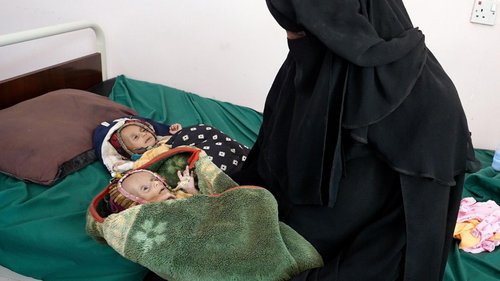
In Ghor province, Afghanistan, fathers are increasingly making the heart-wrenching decision to sell their children to feed their families amid unprecedented poverty and hunger. Many are left helpless as unemployment and humanitarian aid diminish. With three in four Afghans unable to meet basic needs, the lives of children hang in the balance as parents grapple with impossible choices for survival.
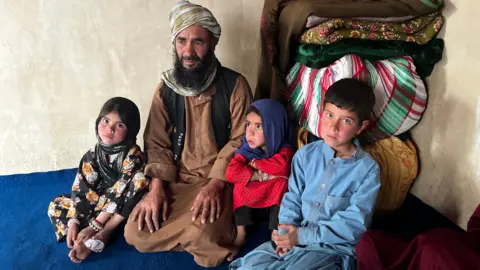
As dawn breaks, hundreds of men gather at a dusty square in Chaghcharan, the capital of Ghor province in Afghanistan. They line the roadside hoping someone will come along offering any work. It will determine whether their families eat that day. The likelihood of success, however, is low. Juma Khan, 45, has found just three days of work in the past six weeks that paid between 150 to 200 Afghani ($2.35-$3.13; £1.76-£2.34) per day. My children went to bed hungry three nights in a row. My wife was crying, so were my children. So I begged a neighbour for some money to buy flour, he says. I live in fear that my children will die of hunger. His story is in no way unique.In Afghanistan today, a staggering three in four people cannot meet their basic needs, according to the UN. Unemployment is rife, healthcare struggling and the aid that once provided the basics for millions has dwindled to a fraction of what it once was. The country is now facing record levels of hunger, with 4.7 million - more than a tenth of Afghanistan's population - estimated to be one step away from famine. Ghor is one of the worst-affected provinces. The men here are desperate. I got a call saying my children hadn't eaten for two days, says Rabani, his voice choking up. I felt like I should kill myself. But then I thought how will that help my family? So here I am looking for work.Abdul Rashid Azimi, another father, expresses his plight: I'm willing to sell my daughters, he weeps. I'm poor, in debt and helpless. I come home from work with parched lips, hungry, thirsty, distressed and confused. My children come to me saying 'Baba, give us some bread'. But what can I give? Where is the work? He hugs his daughters, revealing the depths of his anguish.Families resort to desperate measures, with heartbreaking tales emerging from throughout the region. Saeed Ahmad recounted the painful choice he had to make to sell his five-year-old daughter, Shaiqa, to cover medical expenses. If I had money, I would never have taken this decision, he explains. But then I thought, what if she dies without the surgery? This way at least she will be alive.As the grim reality unfolds, local elders comment on the rising child mortality rates linked to malnutrition and lack of adequate healthcare. The impacts of severe drought and shortages in humanitarian aid create an overwhelming sense of hopelessness. The Taliban government blames the preceding regime for the country's economic collapse while planning long-term solutions, but immediate assistance is crucial for survival. The astounding choices made by desperate parents mark a heartbreaking testament to the ongoing humanitarian crisis ravaging Afghanistan.