In brief
Platner’s meteoric rise from relative obscurity to the Democratic nomination for Maine’s Senate seat was abruptly halted after allegations of sexual assault emerged. The former oysterman and Marine had counted on the backing of progressive voices such as Senators Bernie Sanders and Elizabeth Warren, but the scandal led to the withdrawal of key endorsements and the national party’s financial support. The decision to suspend his campaign delivers a blow to Democrats who view the Maine seat as a must‑win for a Senate majority in November. It also exposes a growing fault line between the party’s left wing and its more moderate establishment, raising questions about the identity and strategy of the campaign that will run in a state that will elect a Republican Senate incumbent today.
Graham Platner stunned the state when he defeated then‑governor Janet Mills in the Democratic primary, building a coalition of over 15,000 grassroots supporters and earning the endorsement of liberal stalwarts such as Senators Bernie Sanders and Elizabeth Warren.
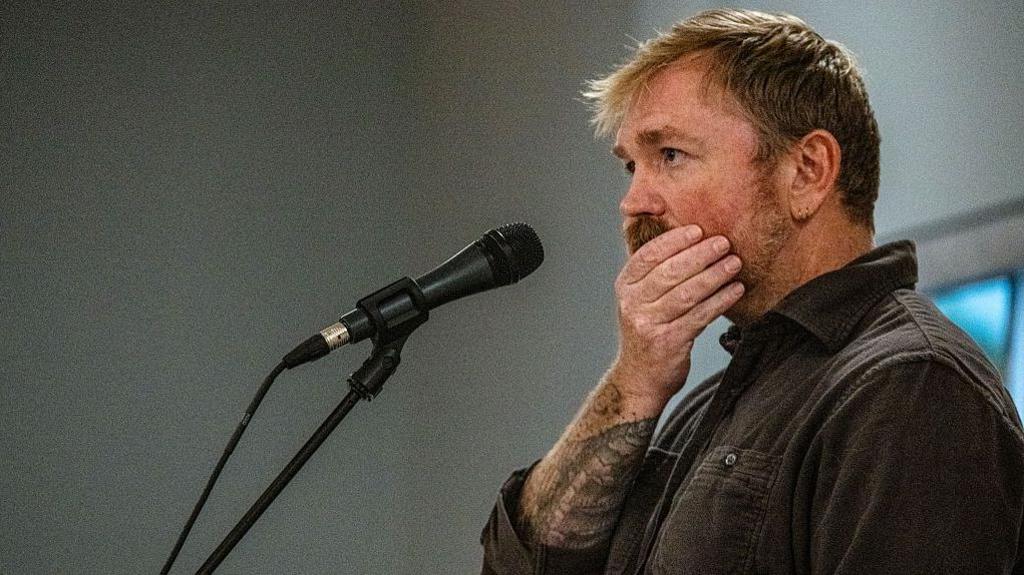
On a Wednesday night, a video posted by Platner on social media announced that he was suspending his campaign. The decision followed a report in Politico that an ex‑girlfriend alleged he had entered her home uninvited while intoxicated in 2021 and had sexually assaulted her. Platner denied the charge, yet the claims set off a chain reaction: key supporters withdrew, the national Democratic Party stopped providing campaign financing, and the state party began scrambling to name a replacement before the July 27 deadline.
The fallout threatens Maine’s Senate race—a seat Democrats consider essential for a Senate majority this November. With five Republican incumbents nationwide, winning the Maine seat is a must for a party that is already on the defensive during the midterms.
Beyond the immediate political damage, Platner’s exit has deepened an ideological split within the party. The left wing, which linked Platner to a broader movement for “blue‑collar liberalism,” fears its energy and vision may be swamped by establishment control. The party’s state chair accused the campaign of trying to manipulate the replacement‑selection process, a claim that Platner’s side denies and stresses the need for an open, democratic “open process.”
As the deadline looms, several experienced candidates have indicated interest: Troy Jackson, former Maine Senate leader; Nirav Shah, state epidemiologist; and Shenna Bellows, secretary of state. Their name recognition and track record may make them safe choices, but their willingness to build a broad coalition will be tested. Meanwhile, activists worry that a new candidate chosen in a rushed convention could alienate the passionate base that propelled Platner to the nomination.
For Democrats, the stakes extend beyond the midterms to the 2028 presidential race. A successful candidacy by a charismatic outsider like Platner could have positioned a progressive nominee for the 2028 contest, but the scandal clouded that possibility. The party now faces the twin challenge of uniting behind a replacement while preserving the energy that drew late‑stage voters in 2024.
The new nominee will have to keep the door open for the very voters that made Platner’s campaign a phenomenon—young, working‑class voters concerned about healthcare, wealth taxes and affordable housing—while navigating the established gatekeepers of the party apparatus.
With the July 27 deadline drawing near, Republicans that cooperate sharply with the governor’s district and President Joseph Biden's moderate administration will likely maintain the seat for the next decade. That could force Senator Susan Collins and the Republican Senate majority to keep shaping future policy debates.