In brief
The truce that began to accompany food and medicine deliveries to Oleshky has been expanded across the entire Kherson region, officials confirmed. No breaches have been reported since the agreement, and Russian shelling has halted in Kherson city and its surroundings. Humanitarian convoys are expected to move through newly cleared roads, with evacuation plans set for Friday. Residents, who have suffered extreme hunger and lack electricity, radioised a call for safe passage, while Russian claims and U.S. diplomatic praise echo through the conflict’s tense geopolitical currents. The ceasefire is hailed as the largest de‑escalation since 2022, offering a glimmer of relief amid enduring front‑line hardships.
A ceasefire that began as a doorway for food and medicine to the Russian‑occupied city of Oleshky has grown to cover the whole Kherson region, giving new hope to thousands of civilians trapped behind a mine‑strewn frontier.
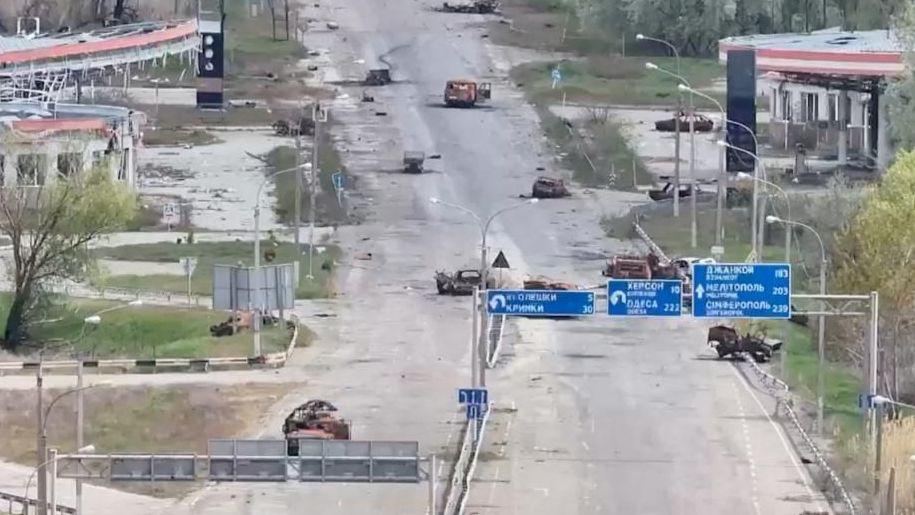
Oleshky lies on the southern bank of the Dnipro River, a spread of villages with no electricity, water or gas since the Kakhovka dam collapse in 2023. The city’s residents are now forced to cook garden weeds to survive, and over 1,700 people remain inside while thousands more await evacuation.
Russian shelling has ceased in Kherson city and around the region, and no breaches of the truce have been reported since Tuesday, according to both Kyiv officials and Russian spokesmen. U.S. First Lady Melania Trump, who negotiated the pause with Pope Leo IV, confirmed that the safe corridor now extends across the west bank of the Dnipro to enable humanitarian convoys and scheduled evacuation. Drone‑based “engineering reconnaissance” teams are clearing mine‑allocated roads, a process expected to finish by Thursday.
‘It is the largest de‑escalation since 2022,’ said David Arakhamia, a member of President Zelensky’s parliament. The plan calls for civilians to board trucks that will ferry them across the Dnipro; their destinations will range from Ukrainian‑held Kherson city to Russian‑controlled Crimea or even the Rostov, Krasnodar and Stavropol regions of Russia, according to Russian‑installed authority Vladimir Saldo.
Mina‑laced roads and the psychological threat of reprisals from Russian forces keep many residents reluctant to leave. Ukrainians warned people against sharing fake routes or rumors of convoys, citing the danger of extra‑state surveillance.
The ceasefire marks a potential turning point in the war’s southern front, showing that even a single city can open channels for diplomacy and aid. How the newly cleared zone will sustain long‑term human relief will depend on the speed of evacuation, the safety of the routes, and continued pressure from international actors.