In brief
U.S. District Judge Katherine Menendez ruled that Minnesota's in-state tuition and scholarship programs for undocumented immigrants do not discriminate against U.S. citizens, countering arguments from the Department of Justice that sought to terminate these programs. This decision highlights ongoing tensions between state policies and federal immigration laws, as Minnesota officials defend their approach to education funding for immigrant residents.
Minnesota public universities can continue to offer in-state tuition and scholarships to some immigrants without legal status, as ruled by a federal judge on Friday. This decision dismissed a lawsuit filed by the Department of Justice last summer that aimed to stop these programs.
The ruling comes amidst a series of conflicts between the federal government and Minnesota officials concerning immigration policies. U.S. District Judge Katherine Menendez stated that the government did not sufficiently show that Minnesota's benefits for undocumented immigrants were discriminatory against U.S. citizens.
The lawsuit named Governor Tim Walz and Attorney General Keith Ellison among the defendants. It contended that Minnesota law unfairly favors undocumented immigrants who have attended local high schools for three years over U.S. citizens from other states, asserting such practices violate federal law against providing preferential treatment to undocumented individuals.
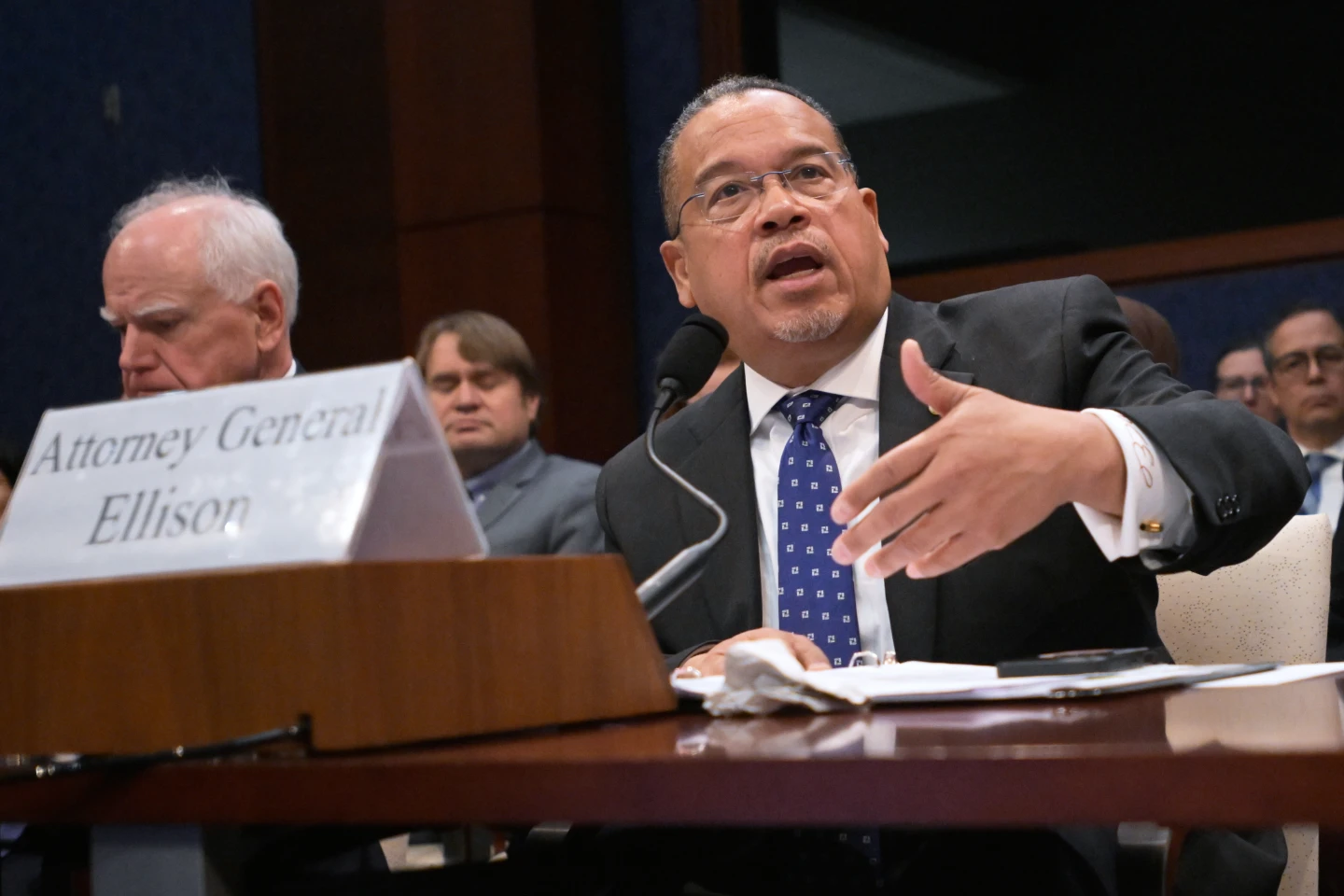
In a statement following the ruling, Attorney General Ellison highlighted the importance of providing educational opportunities to all students, asserting that these financial supports constitute investments in the state's workforce.
The Justice Department's challenge aligns with similar lawsuits targeting state policies in Kentucky and Texas. Recent judicial actions in Texas have indicated a move towards restricting such immigration policies, calling into question the federal government's approach to education for undocumented residents.
As legal battles continue, approximately 22 states, including both Democratic and Republican-leaning ones, maintain laws that offer in-state tuition and additional support to undocumented students. The implications of these rulings could ripple across state policies as the legal landscape surrounding immigration and education evolves.