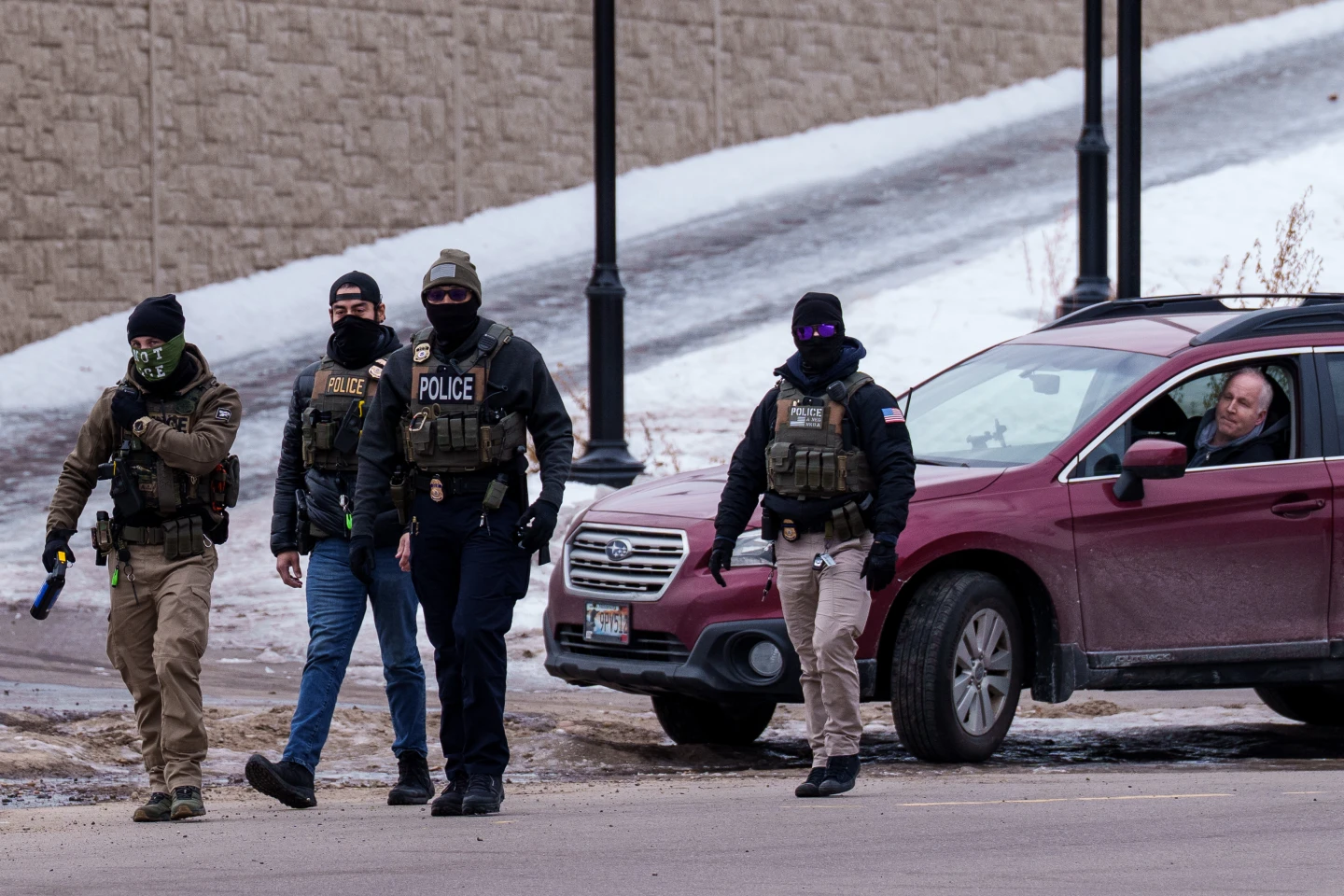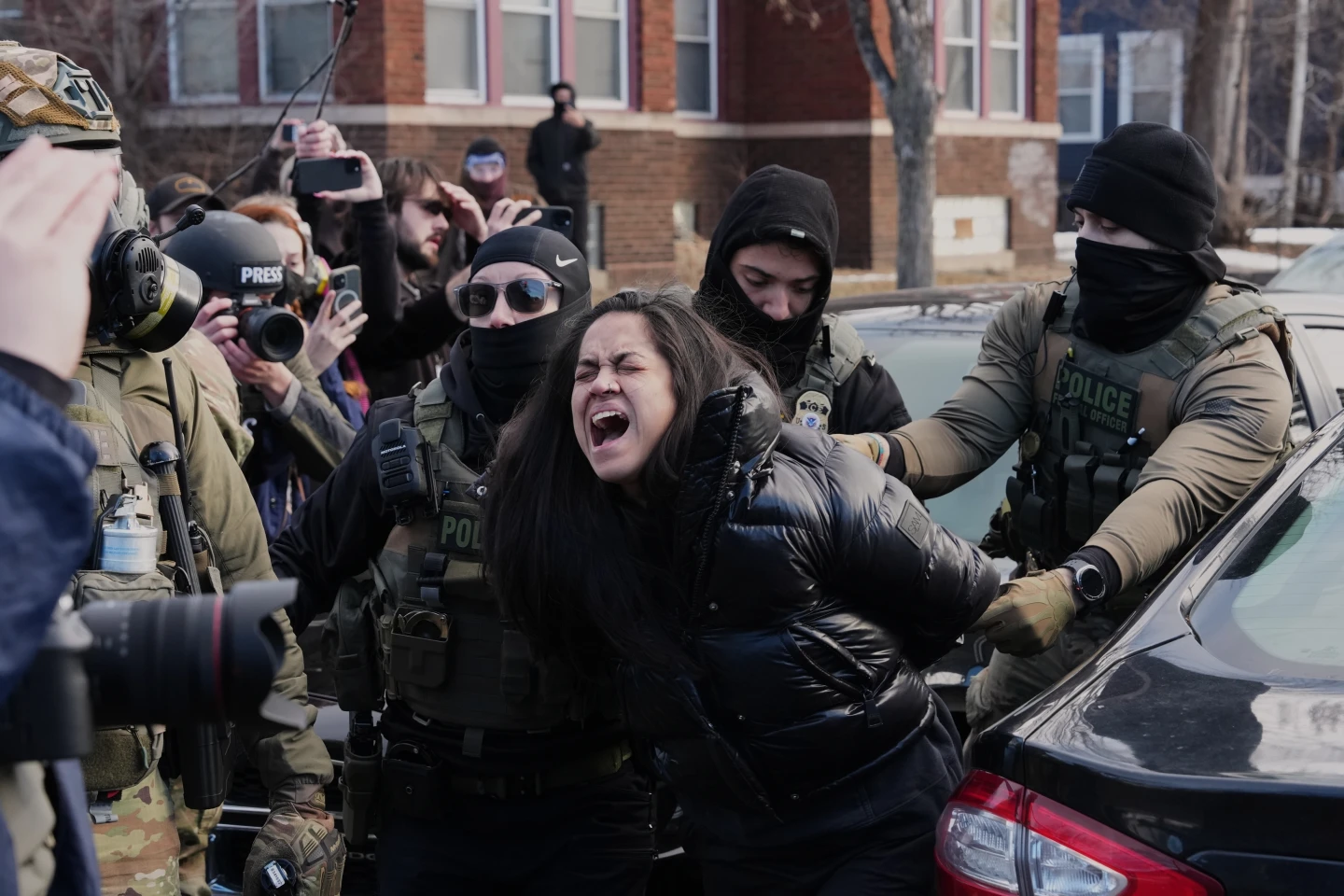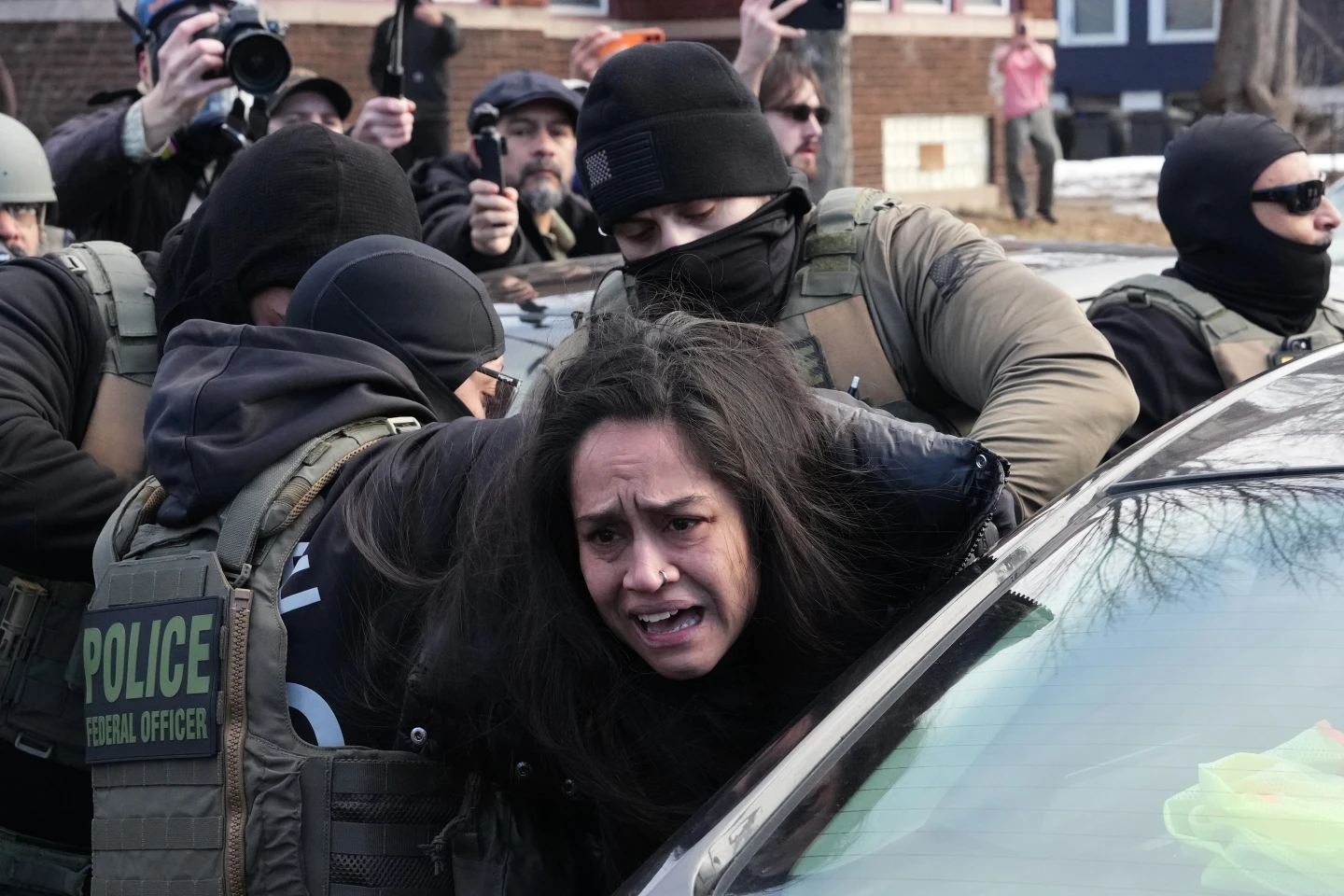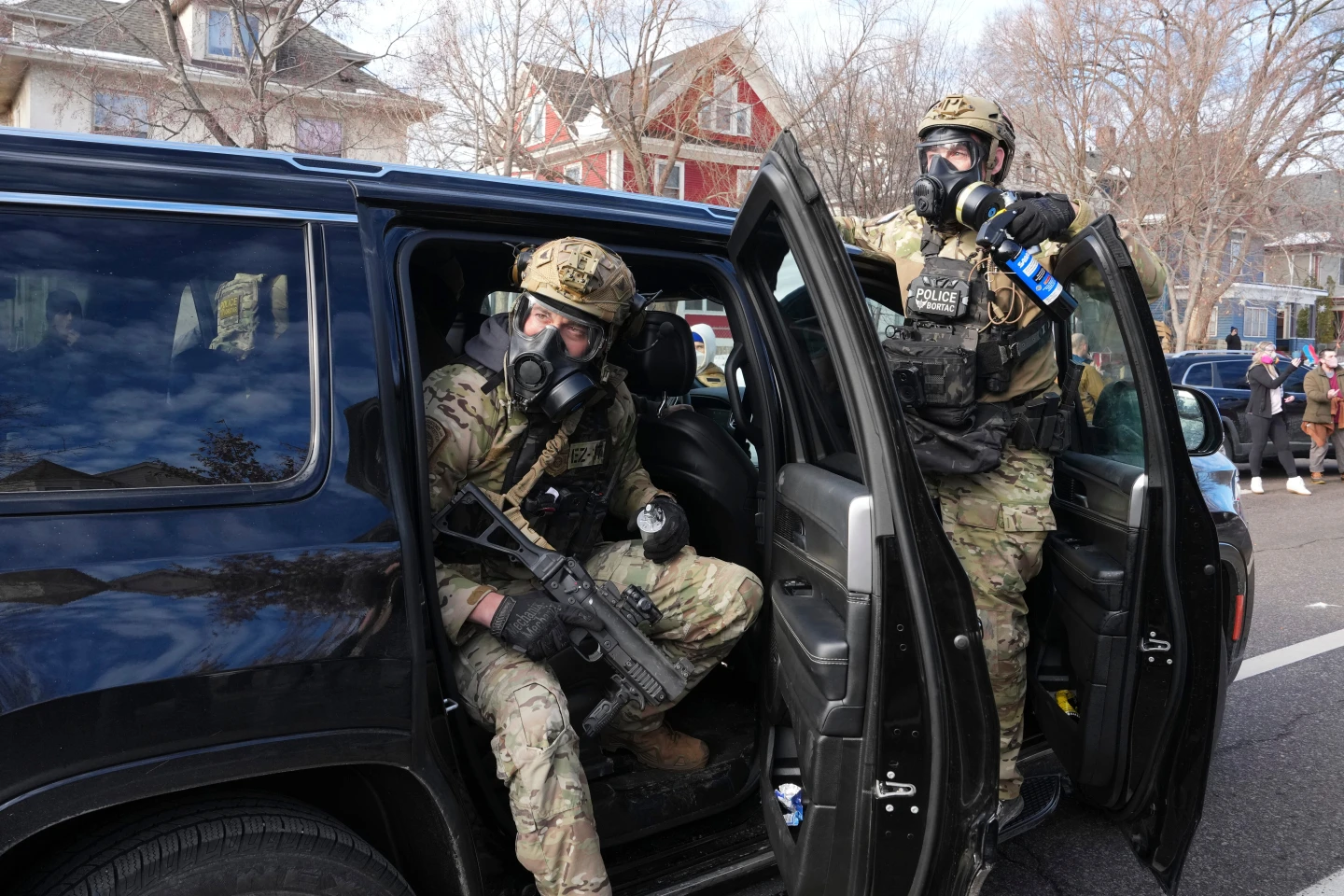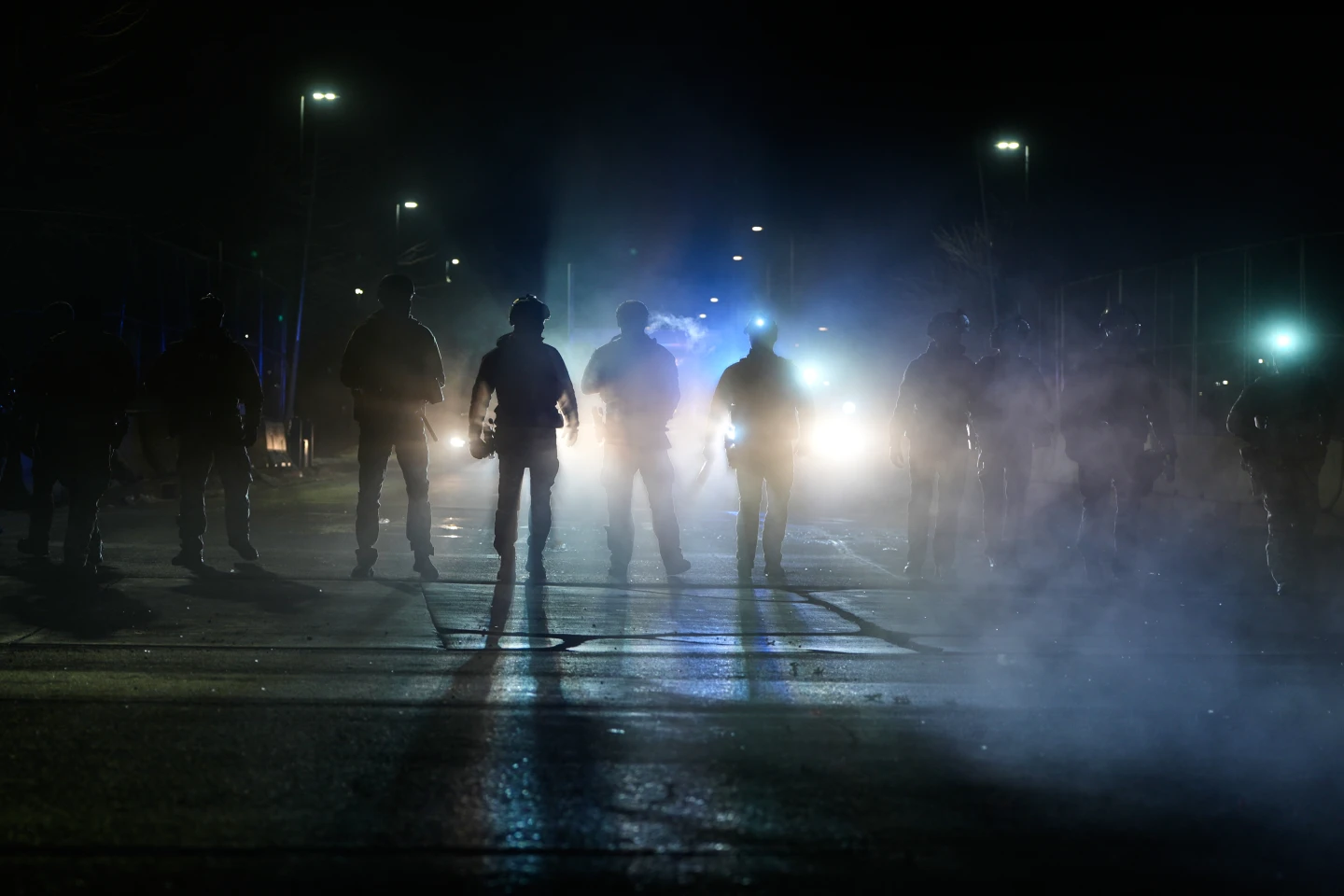
MINNEAPOLIS – The federal immigration crackdown known as Operation Metro Surge began early each morning in the Twin Cities, with a significant mobilization of officers and the arrival of large convoys of SUVs and unmarked vehicles. The presence of these federal officers has led to widespread fear and apprehension in immigrant communities.
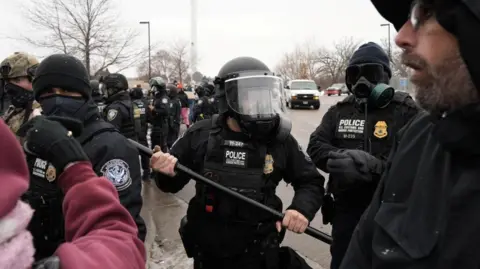
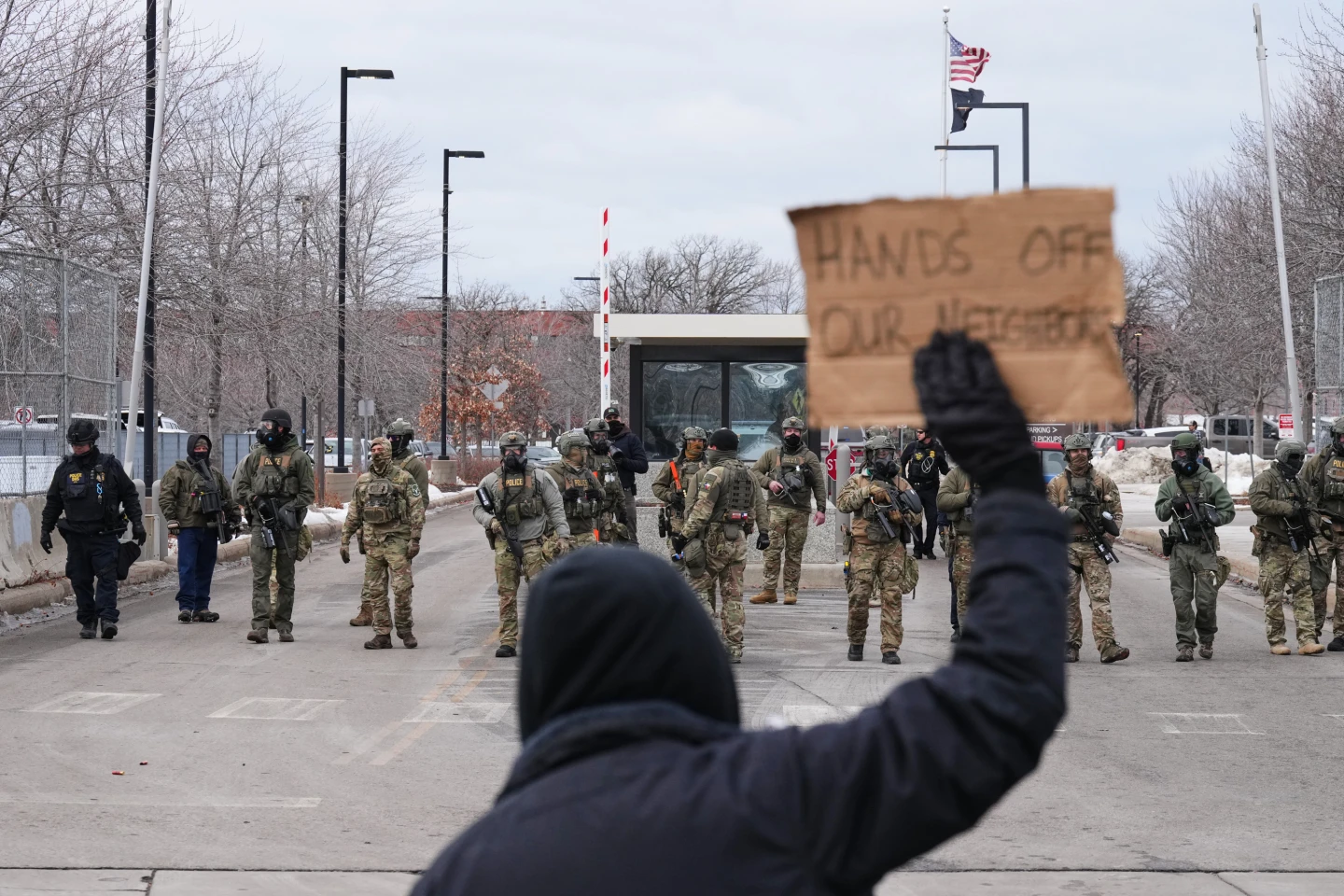
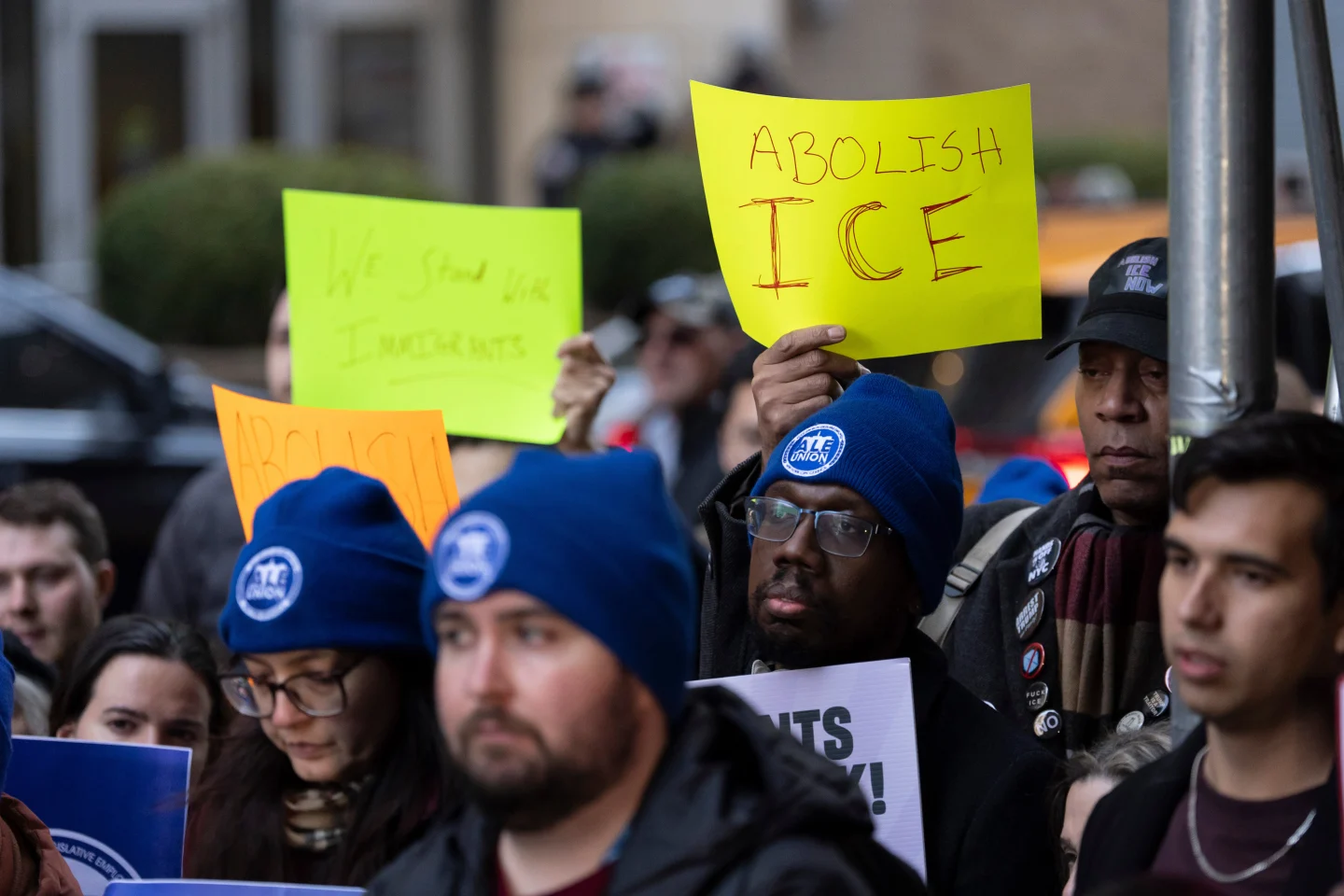
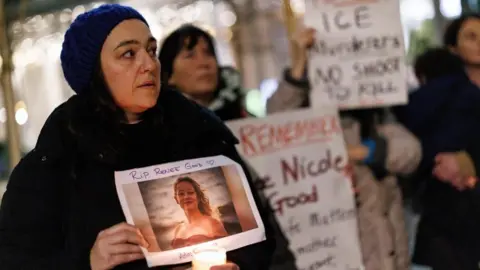
Protests are a common sight as activists gather at dawn, voicing their opposition with chants against ICE. 'Go home!' and 'ICE out!' echo through the street as federal vehicles pass by, reflecting a growing discontent among the population with federal enforcement tactics.
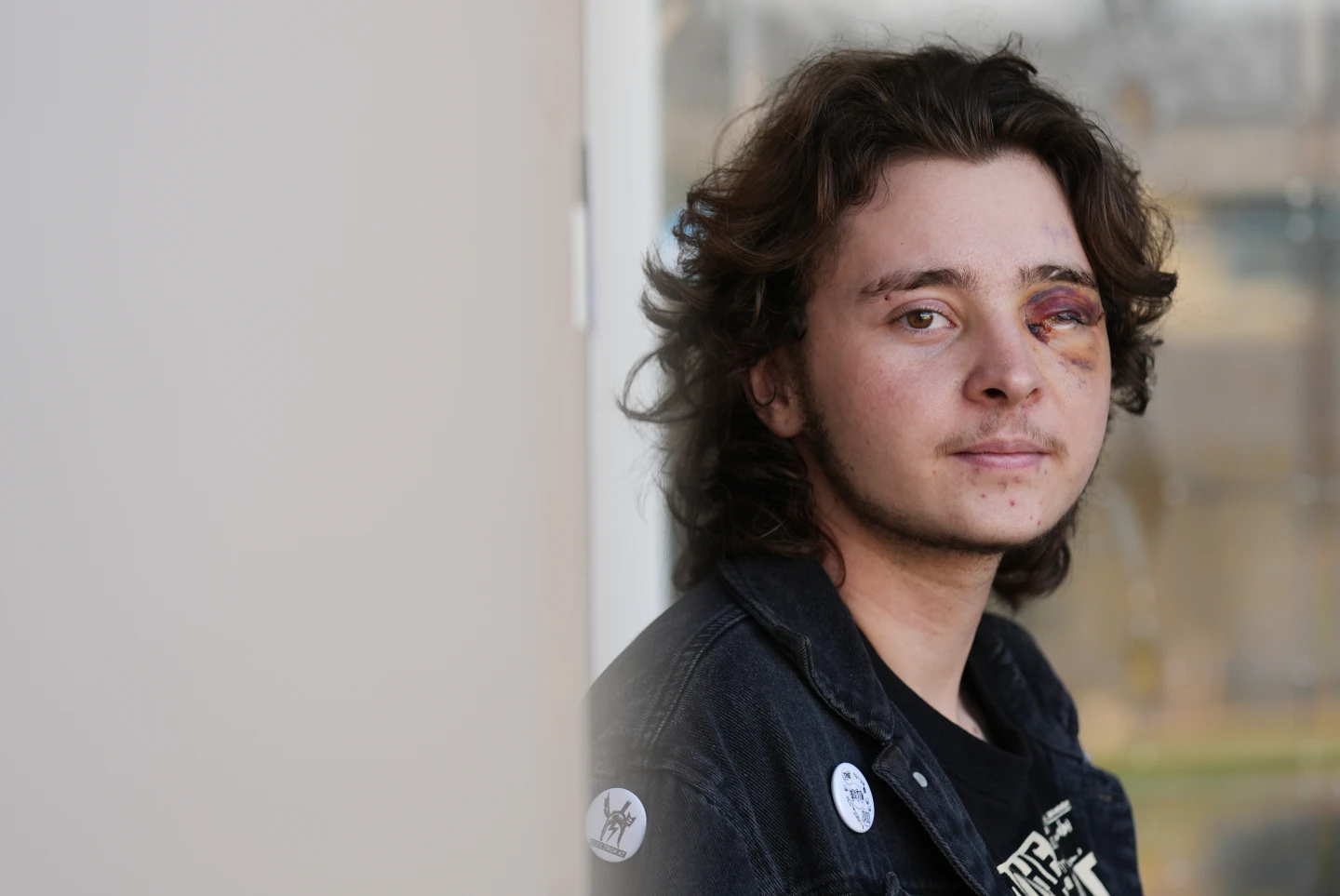
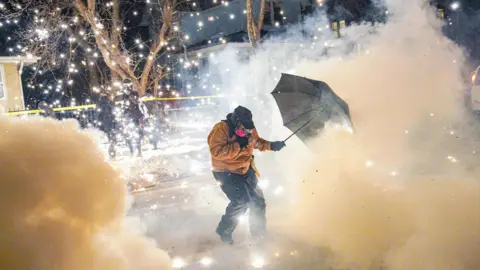
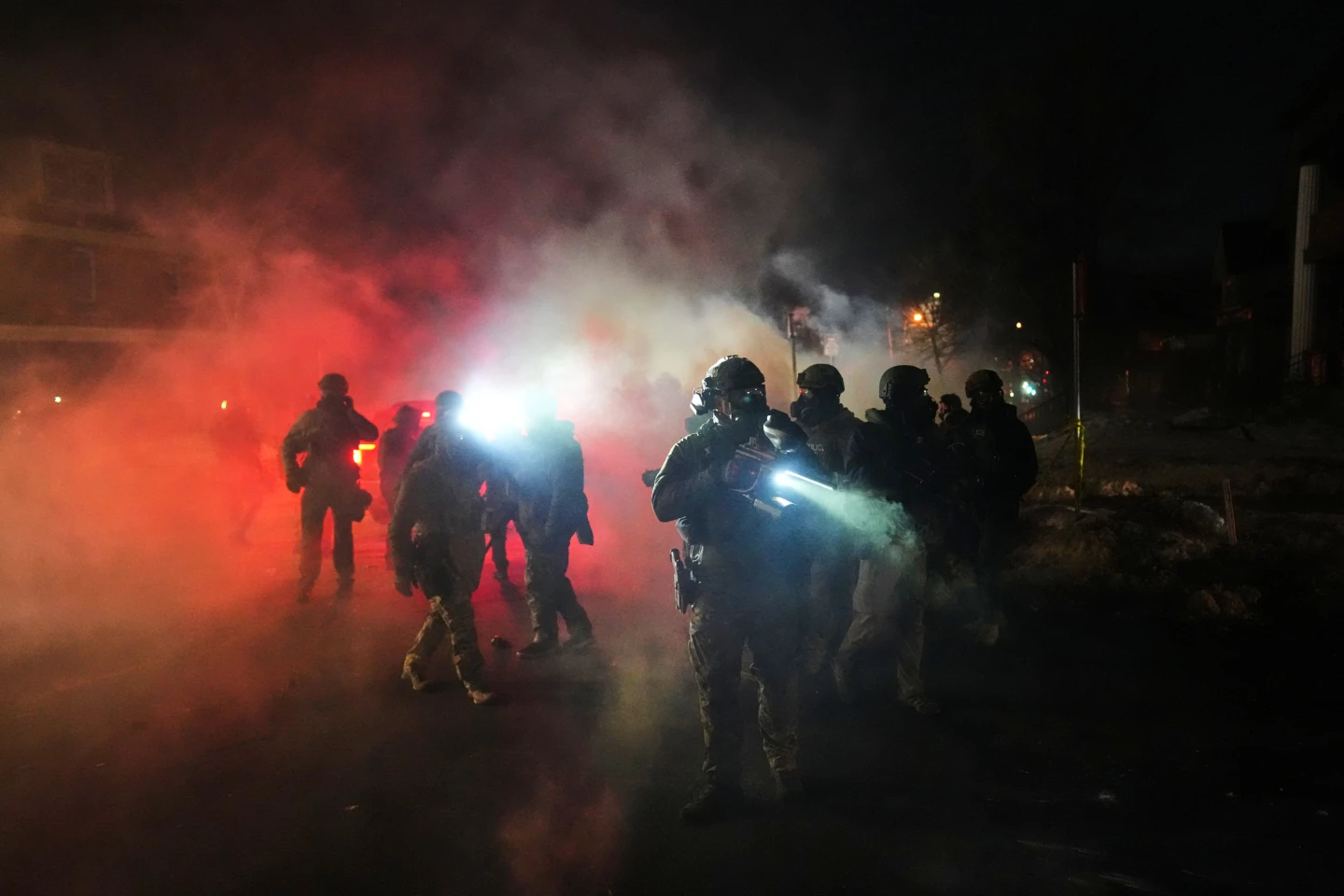
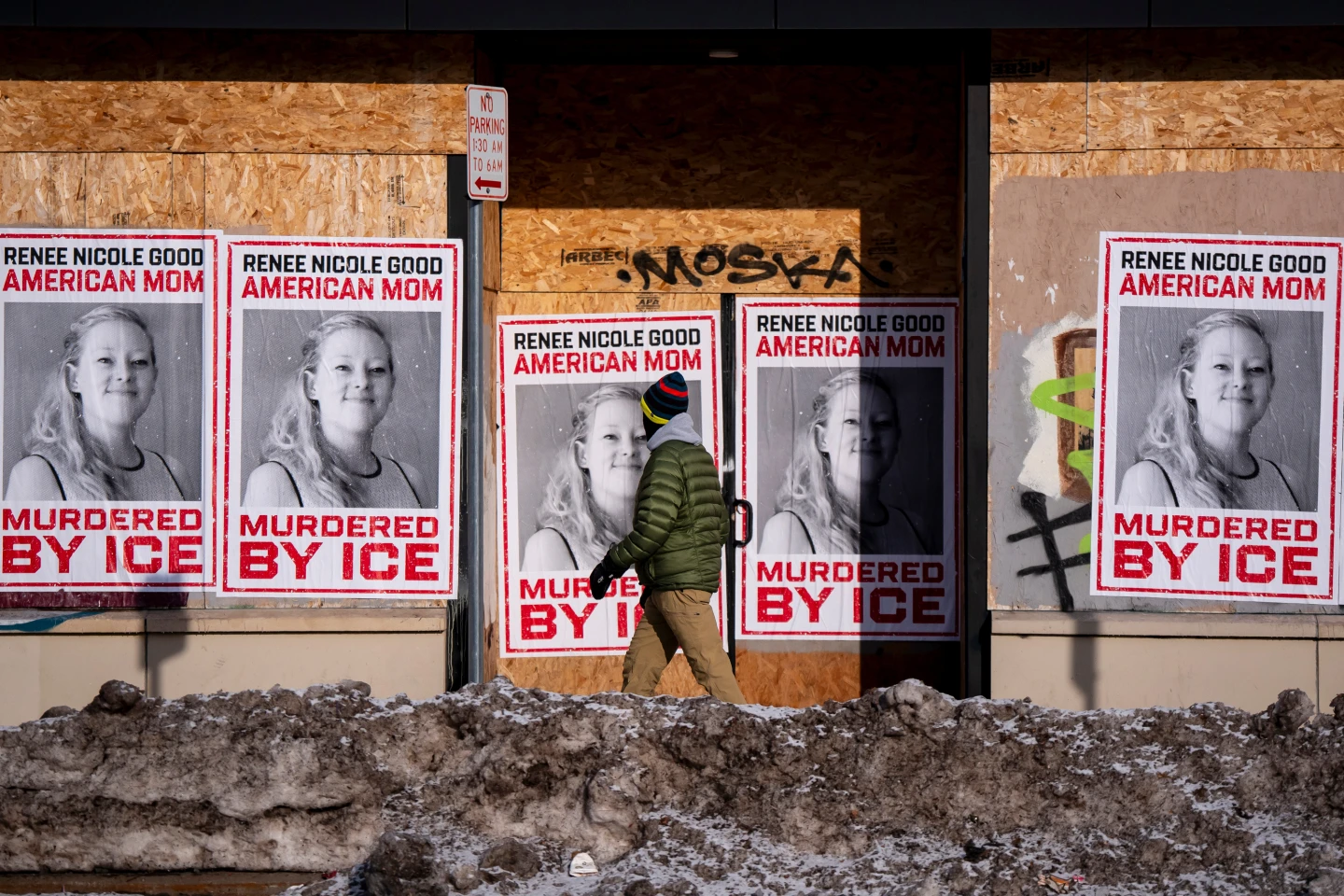
The situation escalates as night falls, leading to violent confrontations. Officers have used tear gas and flash grenades against protesters, prompting increased civil unrest since the shooting death of a mother, Renee Good, by an ICE officer in earlyJanuary.
'We're not going anywhere!' a protester declared, emphasizing a commitment to resist the ongoing immigration enforcement efforts.
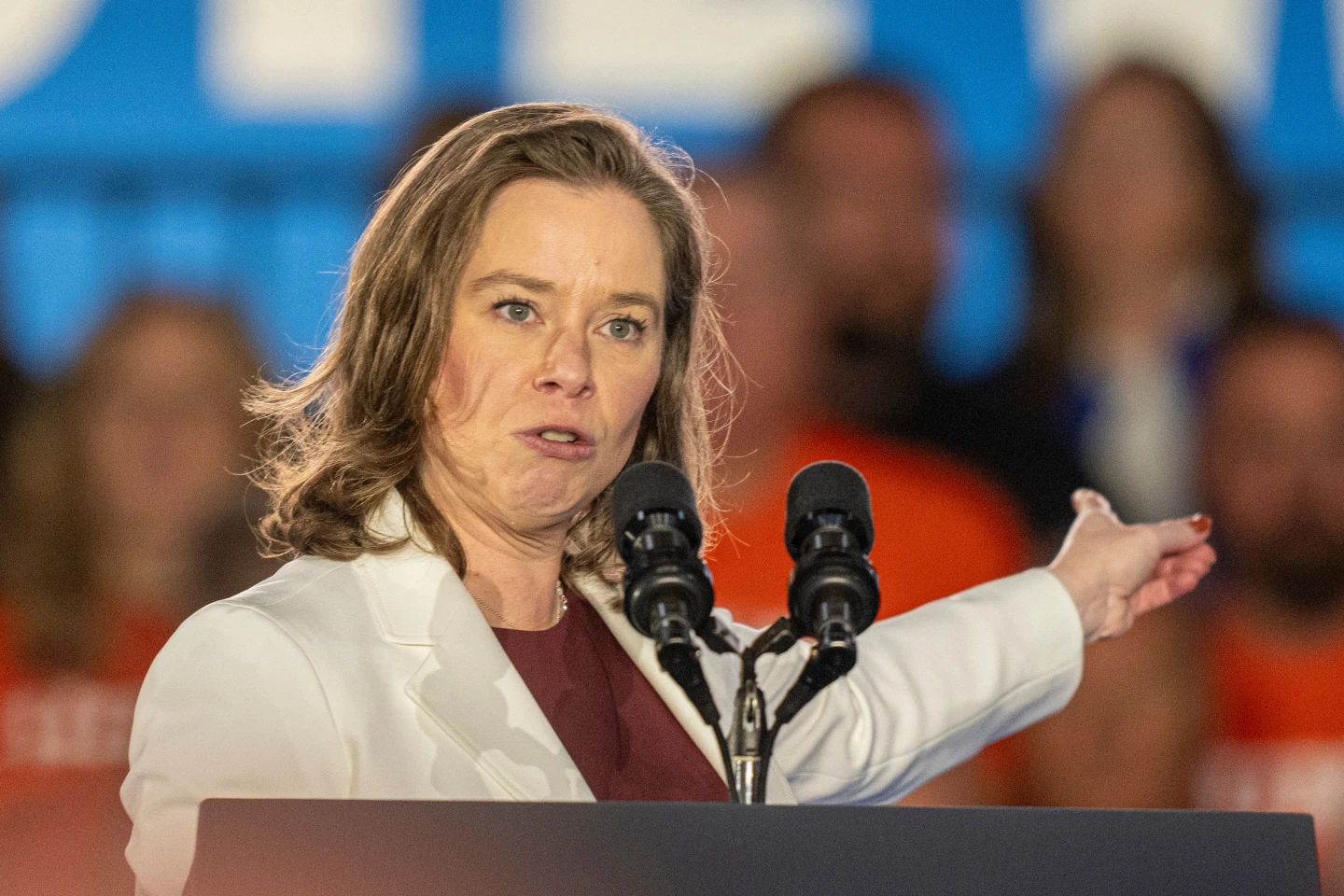
Minneapolis's Mayor Jacob Frey has acknowledged the scale of the federal response as 'thousands of agents' overwhelm the local law enforcement, which struggles to manage the community’s needs amid the growing discontent and fear.
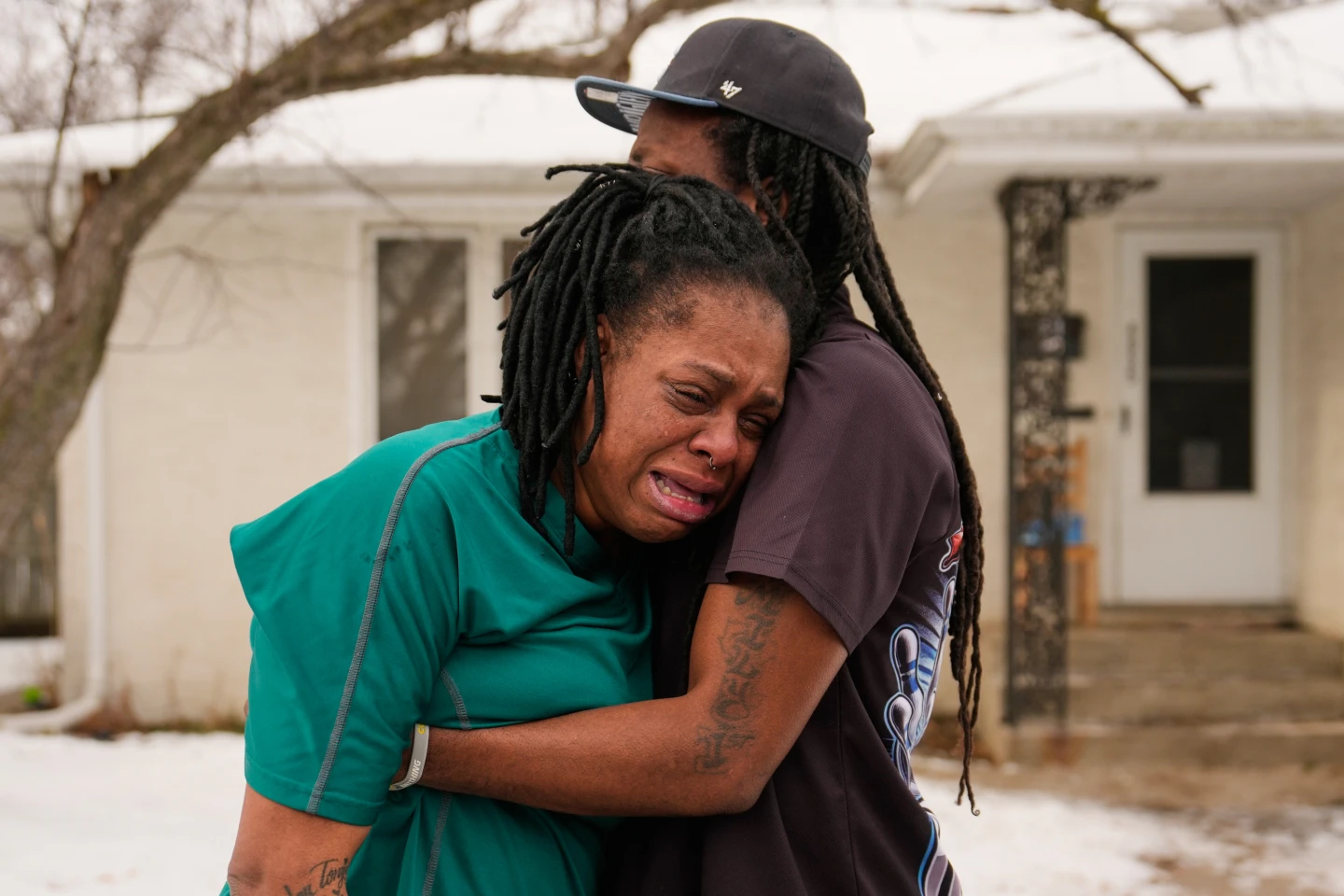
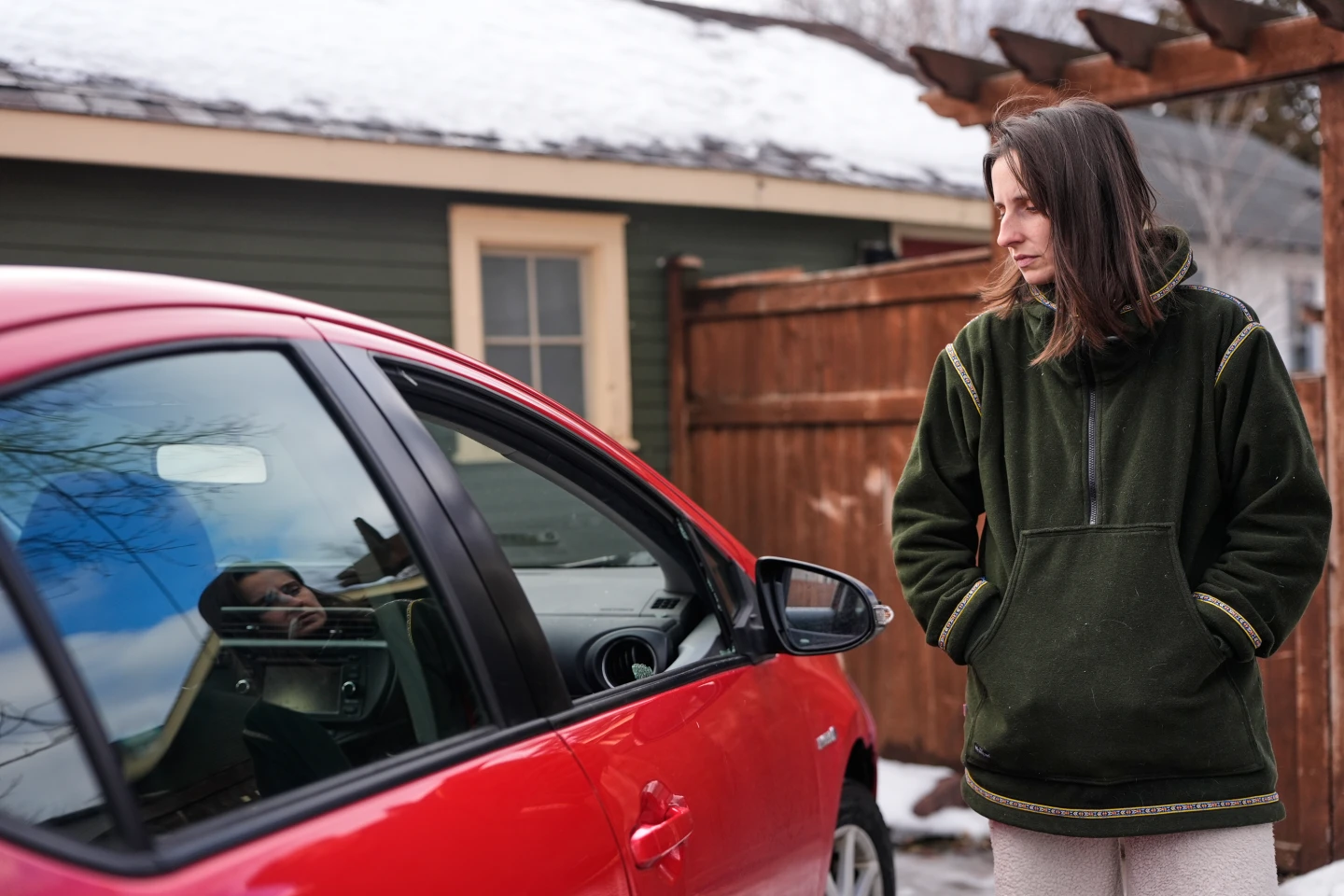
The crackdown has particularly affected immigrant neighborhoods where residents are becoming increasingly vigilant, with some staying home from work or school out of fear of immigration raids. Businesses targeting these communities have also faced closures, further stressing a vulnerable population.
The legacy of George Floyd's murder continues to loom over the city's unrest as the community grapples with ongoing issues of police violence, igniting an activist spirit dedicated to protecting their neighborhoods from what they perceive as an invasion of federal troops.
In response to the tensions, Minnesota leaders have encouraged peaceful community outreach, fostering an environment of mutual support by distributing food packs and sharing resources to those in the community affected by the current crackdown.
As clashes continue to ignite throughout the Twin Cities, the conversation around immigration policies and federal intervention remains at the forefront of community concerns.