In brief
The Eurovision Song Contest has officially announced its first Asia edition, scheduled for 14 November. A total of ten participating countries, including South Korea, Thailand, and the Philippines, will hold national selections prior to the final in Bangkok, celebrating Asia's diverse music culture. With 2026 marking the contest's 70th anniversary, organizers aim for a successful launch, hoping to capitalize on Asia's growing musical influence and enthusiastic fanbase.
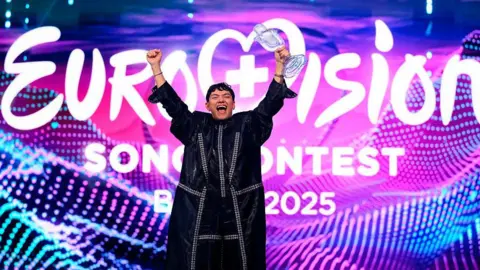
Known for its glitzy stage costumes and sometimes outlandish performances, the Eurovision Song Contest is now launching its first-ever Asia edition. Broadcasters from 10 countries in the region, including South Korea, Thailand, and the Philippines, have confirmed their participation. According to the contest's website, more countries are expected to join. These countries will first host their own national selections before the grand final in Bangkok, broadcast live on November 14.First held in 1956, Eurovision has grown into the world's longest-running international music competition. The decision to open a new chapter with an Asia edition reflects the region's rich culture, creativity, and talent, as noted by Martin Green, director of the Eurovision Song Contest at the EBU. The excitement surrounding this new version has already sparked interest on social media, with supportive posts for various participating nations.In the past, Eurovision attempted to expand beyond Europe with the American Song Contest in 2022, which faced poor viewership and was not renewed. This time, the organizers are optimistic that the Asian version will be more successful, leveraging the region's thriving music scene fueled by rising incomes, youth interest in K-pop, and global label investments.As of now, the participating countries include Bangladesh, Bhutan, Cambodia, Laos, Malaysia, Nepal, the Philippines, South Korea, Thailand, and Vietnam. The contest requires original songs performed live, with results determined by both music experts and fans, promising a celebration of original pop music. The hosting roles and creative input are shared by the European Broadcasting Union, Voxovation in Los Angeles, and Thailand's S2O Productions, with hopes that this new initiative will resonate with audiences across Asia and beyond.