In brief
After a long hiatus, Korean music sensation BTS returned to the stage with their new album 'Arirang'. The comeback showcases their harmony and camaraderie, yet reveals internal tensions over artistic direction and identity that pull them between Western commercial expectations and their Korean roots. With over 85 upcoming tour dates, BTS embarks on a challenging balancing act, striving to satisfy a diverse fanbase while navigating the tricky waters of cultural representation.
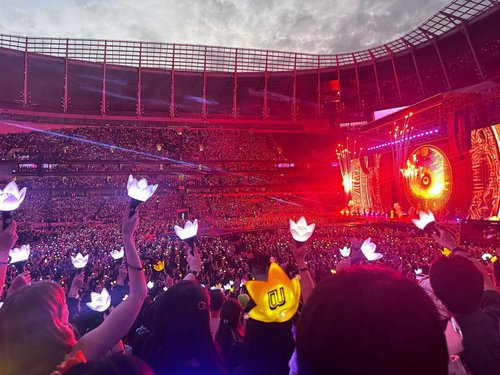
BTS 2.0 is just getting started! J-Hope declared alongside the other six members at their recent performance, marking a significant return to the stage after a long break. On March 21, tens of thousands gathered to watch the concert live, with more than 18 million viewers streaming it online. This performance served as a teaser for their upcoming world tour, displaying the group's tight-knit camaraderie that made them a global sensation. However, as excitement builds around their new album 'Arirang', tension is also apparent. A documentary revealing the group’s disagreements with their agency, Hybe, over the direction of their music has led to a heartfelt introspection on their identity. The question now arises: Is BTS straying too far from its K-pop roots to appeal to a broader audience? At home, fans are divided over the Korean authenticity of 'Arirang', which recalls traditional sounds yet incorporates the hip-hop style that initially defined BTS in their early days. While some embrace this evolution, others find the heavy use of English and diverse production team, including internationally known figures like Diplo, problematic, fearing it detracts from the authenticity of their brand. Despite the mixed reactions locally, international audiences seem more accepting of their transitional phase, welcoming the experimentation in their latest work. As BTS prepares for an ambitious tour that could redefine K-pop's global impact, they must navigate a delicate balance between artistic integrity, diverse fan expectations, and their foundational Korean identity. Critics and fans agree, whatever the challenges, BTS’s legacy remains firmly established. As they return to the stage, the focus now shifts to their future trajectory, leaving everyone to wonder how they will manage this intricate balance of cultural representation and global stardom.