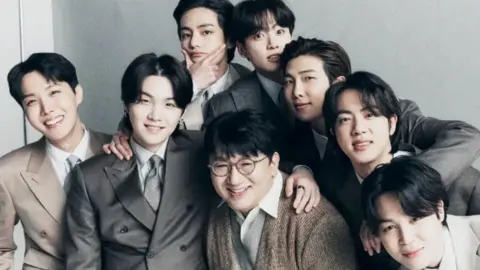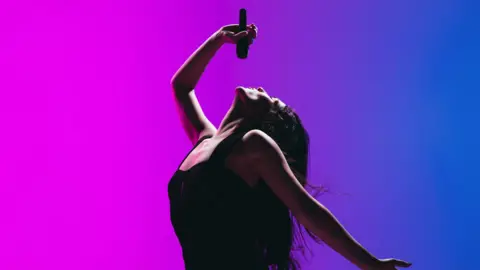
As K-pop continues to capture hearts around the world, South Korea has become a prime destination for aspiring performers drawn by dreams of stardom. Many young hopefuls invest significant amounts of money in training programs, often with promises of professional instruction and audition opportunities. However, for some, these expectations have turned into harsh realities.
Miyu, a teenager from Japan whose name has been changed for her protection, found herself among those who paid nearly $20,000 for a six-month training course in Seoul. She was promised rigorous dance and vocal lessons, along with multiple audition chances. However, she reported a stark contrast to what was advertised. There were supposed to be weekly auditions, but that never happened, she recounted.
In addition to unmet expectations regarding training, Miyu alleged that she faced sexual harassment from a senior staff member at the academy. This particularly unsettling experience is not unique; others from the same program have shared similar claims, unveiling a culture of exploitation amidst the glamorous facade of the K-pop industry.
While other trainees echoed Miyu’s sentiments, stating they had endured inappropriate behavior and a lack of professional opportunities, the academy in question has denied all allegations, assuring that it provides ample audition prospects and follows strict regulations.
Trainees like Miyu and others fear repercussions from speaking out. They often come from abroad, mindful of the investment made by their families and the potential consequence of damaging their opportunities in the fiercely competitive industry.
K-pop training institutions exist in a complex regulatory environment, with many categorized as entertainment agencies that lack rigorous oversight. This regulatory gap allows for practices that leave aspiring idols vulnerable.
Despite their harrowing experiences, Miyu and her peers remain passionate about their dreams. Whenever things were hard, I held on by listening to K-pop. I still want to become an idol, no matter what, she said, reflecting the deep allure of fame even in the face of adversity.
As stories like Miyu’s emerge, calls for stricter regulations and better protection for trainees in the K-pop industry are growing louder, highlighting the need for a safer environment for those who dare to dream.
Miyu, a teenager from Japan whose name has been changed for her protection, found herself among those who paid nearly $20,000 for a six-month training course in Seoul. She was promised rigorous dance and vocal lessons, along with multiple audition chances. However, she reported a stark contrast to what was advertised. There were supposed to be weekly auditions, but that never happened, she recounted.
In addition to unmet expectations regarding training, Miyu alleged that she faced sexual harassment from a senior staff member at the academy. This particularly unsettling experience is not unique; others from the same program have shared similar claims, unveiling a culture of exploitation amidst the glamorous facade of the K-pop industry.
While other trainees echoed Miyu’s sentiments, stating they had endured inappropriate behavior and a lack of professional opportunities, the academy in question has denied all allegations, assuring that it provides ample audition prospects and follows strict regulations.
Trainees like Miyu and others fear repercussions from speaking out. They often come from abroad, mindful of the investment made by their families and the potential consequence of damaging their opportunities in the fiercely competitive industry.
K-pop training institutions exist in a complex regulatory environment, with many categorized as entertainment agencies that lack rigorous oversight. This regulatory gap allows for practices that leave aspiring idols vulnerable.
Despite their harrowing experiences, Miyu and her peers remain passionate about their dreams. Whenever things were hard, I held on by listening to K-pop. I still want to become an idol, no matter what, she said, reflecting the deep allure of fame even in the face of adversity.
As stories like Miyu’s emerge, calls for stricter regulations and better protection for trainees in the K-pop industry are growing louder, highlighting the need for a safer environment for those who dare to dream.