In brief
Donald Trump's recent remarks regarding Greenland have provoked a significant response from European leaders, who are moving away from their previously passive stance towards a more assertive approach. While Trump insists on the strategic importance of Greenland and threatens punitive measures against countries in NATO and the EU that support Denmark, European finance ministers have vowed not to be blackmailed. The escalating tensions reveal a concerning shift in diplomatic relations as Europe grapples with maintaining its security while addressing economic threats from the U.S.
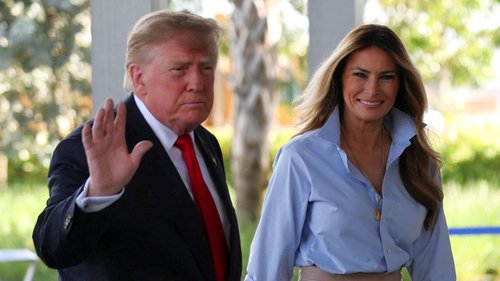
Something in Europe has snapped. Donald Trump doubled down again on Monday, in his insistence that the US needs Greenland for national security reasons.
Is he prepared to use force to seize it, journalists asked him? No comment, said the president, sending chills down the spine of Greenland's anxious inhabitants. Again.
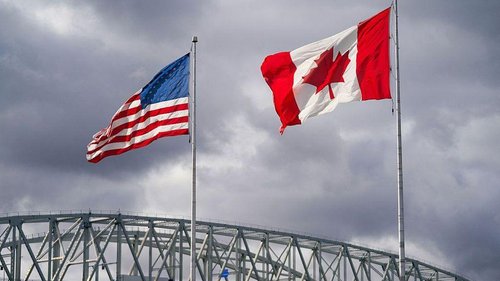
Greenland is a semi-autonomous territory of Denmark - a member of the EU and of NATO. President Trump is now leaning heavily on Denmark's allies in both those organizations to abandon Copenhagen and let the US take control of Greenland, or face punitive taxes on all their exports to the United States.
It's a horror scenario for European economies, which are already in the doldrums. Especially those reliant on exporting to the US, like Germany's car industry and Italy's luxury goods market.
On Monday Germany's finance minister said, we will not allow ourselves to be blackmailed after an emergency meeting with his French counterpart.
The Trump threats landed like a slap in the face of European governments, who had only just settled tariff deals with the US president last year.
All of a sudden, the softly-softly approach to Trump, that Europe's leaders had favoured since he returned for a second term to the White House, seems to have passed its sell-by date.
Europe's good cop, bad cop approach
It's too early to read the last rites on transatlantic relations altogether but the EU, at least, is hoping to approach the US president in Switzerland this Wednesday at the Global Economic Forum speaking softly, while carrying a big stick to paraphrase a former US president.
European leaders are telling President Trump they'll support him in prioritizing Arctic security, so there's no need for him to go it alone over Greenland.
At the same time, EU diplomats have let it be known they're considering imposing €93 billion (£80 billion) worth of tariffs on US goods or even restricting the access of American businesses to the bloc's massive single market, if Trump goes ahead with his Greenland tariffs as they've become known.
Trust in US security guarantees
Transatlantic relations aren't broken yet, though they are damaged. Donald Trump is still picking up the phone to his friends in Europe and communication lines are still open. If Europeans want to try to cut through with Donald Trump, they will have to stick together.
Ultimately, if a trade war were to break out that would hurt their voters. All singing from the same sheet over Greenland for any length of time is going to be tough.