In brief
Jay Allen, a Trump supporter and owner of Allen Engineering, reveals the impact of tariffs on his business, contributing to job losses and increased prices, amid ongoing concerns about U.S. manufacturing's future. Experts suggest that the current trade strategy may hinder growth rather than promote it.
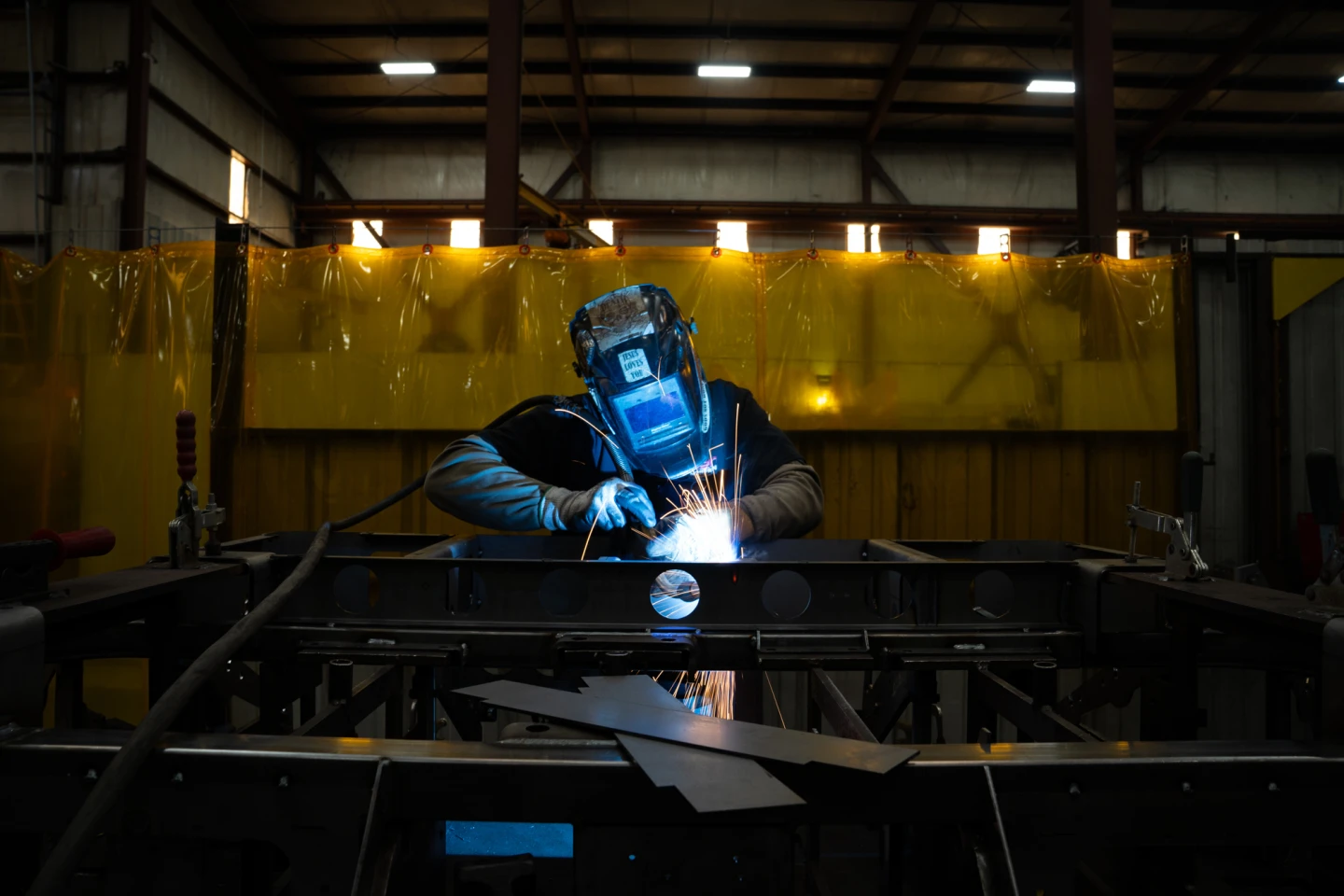
WASHINGTON (AP) — Jay Allen is a fan of President Donald Trump, believing he would cut taxes and reduce regulations to support his manufacturing business in northeast Arkansas. However, the tariffs central to Trump's economic policy have negatively affected Allen Engineering Corp. by increasing the costs of foreign-made components necessary for producing their concrete finishing equipment.Allen's situation reflects a growing number of reports indicating that the tariffs intended to benefit American factories are instead damaging many of them. Facing rising expenses, Allen has had to raise prices while reducing his workforce from 205 to 140 employees, contributing to financial losses in 2025.'What's really sad is the unintended consequences of his tariffs are hurting manufacturing in our country,' Allen said, emphasizing the squeeze on working-class individuals.Despite tariffs being positioned to bolster American manufacturing, the sector saw a loss of 98,000 jobs in Trump's first year back in office, leading some companies to sue for tariff refunds amid a growing federal deficit.Although Trump claims that high construction spending and new factory investments are shaping a positive manufacturing landscape, critics argue these improvements stem more from policies associated with President Biden than from Trump's strategies. Current uncertainties surrounding the future of tariffs create hesitation among manufacturers to invest in domestic production.The tariffs, particularly on steel, which have been significantly increased, add further strain on smaller manufacturers. The negative ramifications of these tariffs, marked by sales declines and increased operational costs, underscore the complexities and challenges facing the American manufacturing industry under Trump's tenure.