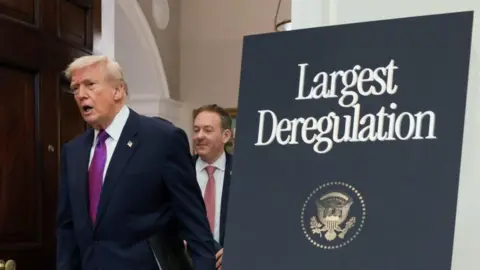
U.S. President Donald Trump stated on Monday that he intends to delay a critical visit to China from March to April, specifically due to the ongoing war in Iran. During a press briefing at the White House, Trump emphasized the importance of his availability to oversee military efforts amid the conflict, insisting that it is imperative for him to remain in Washington.
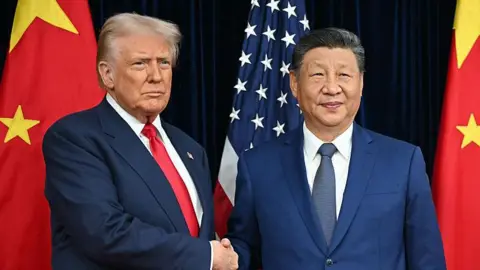
The meeting with Chinese President Xi Jinping was slated to take place from March 31 to April 2, following their last face-to-face discussion in October. The Chinese government’s foreign affairs spokesman, Lin Jian, confirmed ongoing negotiations regarding the timing of Trump's visit.
The Iran conflict has overshadowed Trump's usual foreign policy priorities, with serious implications for global oil supplies and rising prices within the U.S. Trump acknowledged that the postponement is solely to ensure his effective management of the situation, stating, We have a war going on, and I think it's important that I be here.
U.S. Treasury Secretary Scott Bessent supported Trump’s decision, highlighting that traveling abroad during this tumultuous time may not be optimal. He affirmed that the delay does not stem from trade tensions with China or a request for Beijing's assistance in the Gulf region.
Trump's announcement follows comments made to the Financial Times, suggesting that he may further delay the meeting if China does not help ensure the safe passage of ships through the Strait of Hormuz. As tensions continue to escalate between the U.S. and Iran, talks between U.S. and Chinese representatives remain crucial, with discussions covering a range of economic issues. Recent negotiations in Paris indicate a willingness to address outstanding concerns, but the specter of war continues to loom over international relations.
The meeting with Chinese President Xi Jinping was slated to take place from March 31 to April 2, following their last face-to-face discussion in October. The Chinese government’s foreign affairs spokesman, Lin Jian, confirmed ongoing negotiations regarding the timing of Trump's visit.
The Iran conflict has overshadowed Trump's usual foreign policy priorities, with serious implications for global oil supplies and rising prices within the U.S. Trump acknowledged that the postponement is solely to ensure his effective management of the situation, stating, We have a war going on, and I think it's important that I be here.
U.S. Treasury Secretary Scott Bessent supported Trump’s decision, highlighting that traveling abroad during this tumultuous time may not be optimal. He affirmed that the delay does not stem from trade tensions with China or a request for Beijing's assistance in the Gulf region.
Trump's announcement follows comments made to the Financial Times, suggesting that he may further delay the meeting if China does not help ensure the safe passage of ships through the Strait of Hormuz. As tensions continue to escalate between the U.S. and Iran, talks between U.S. and Chinese representatives remain crucial, with discussions covering a range of economic issues. Recent negotiations in Paris indicate a willingness to address outstanding concerns, but the specter of war continues to loom over international relations.