Ethiopia and Eritrea have cut diplomatic ties as fighting in the north ramps up.

On Thursday, Ethiopia announced the closure of its embassy in Asmara and demanded that ten Eritrean diplomats leave the country within 48 hours, accusing them of jeopardising national security. Eritrea responded by reciprocally shutting diplomatic relations, stating it had no choice but to act in kind. The move follows a sharp deterioration in ties, with Addis Ababa accusing Eritrea of backing the alliance of armed groups fighting the Ethiopian government—an allegation Eritrea has consistently denied.
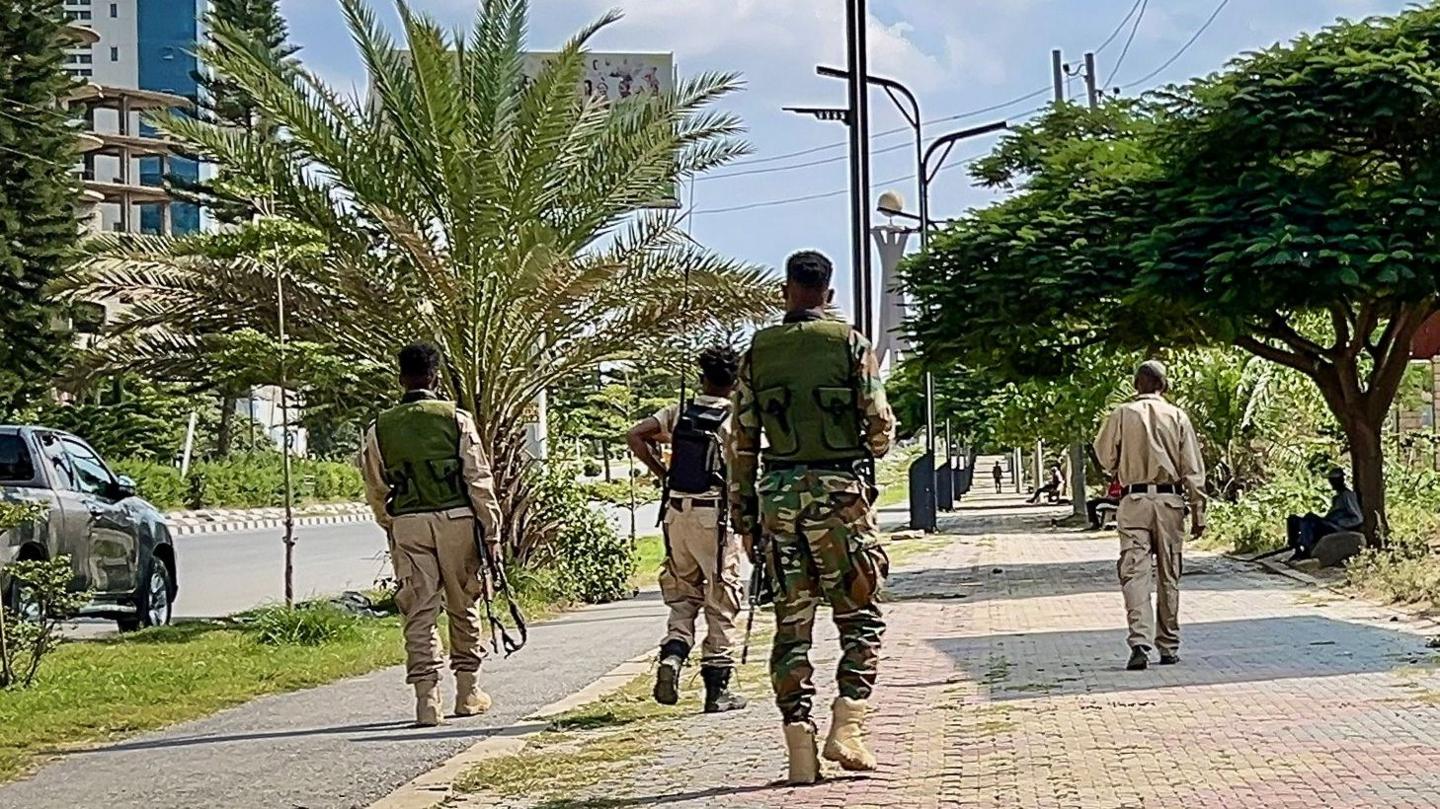
The diplomatic fallout arrived just hours after loud explosions were recorded in Addis Ababa, near the national intelligence headquarters, and drone attacks were alleged by opposition forces. Ethiopian authorities have not confirmed the cause of the blasts, though the city’s intelligence service has imposed an indefinite ban on drone flights to protect key infrastructure.
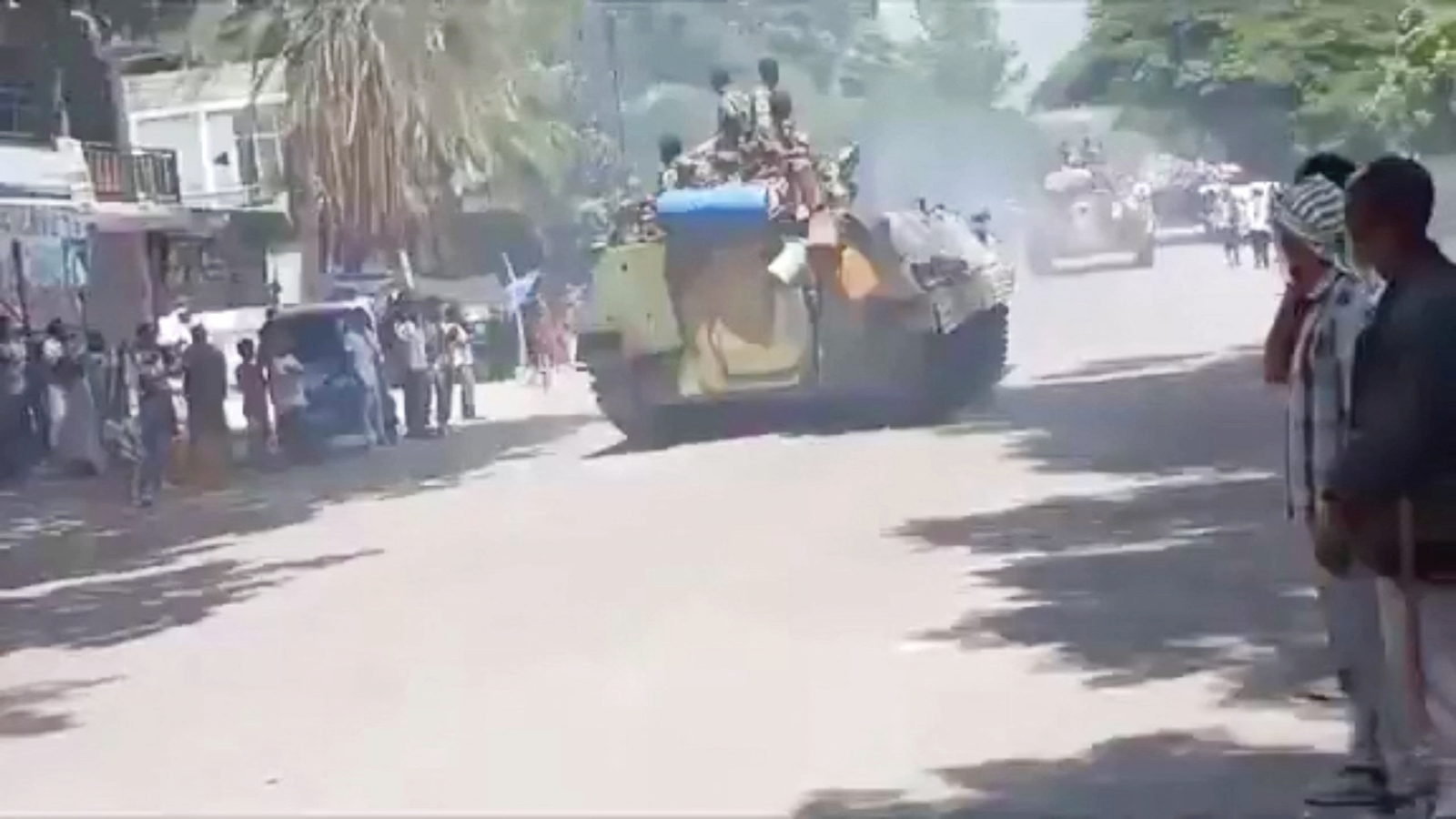
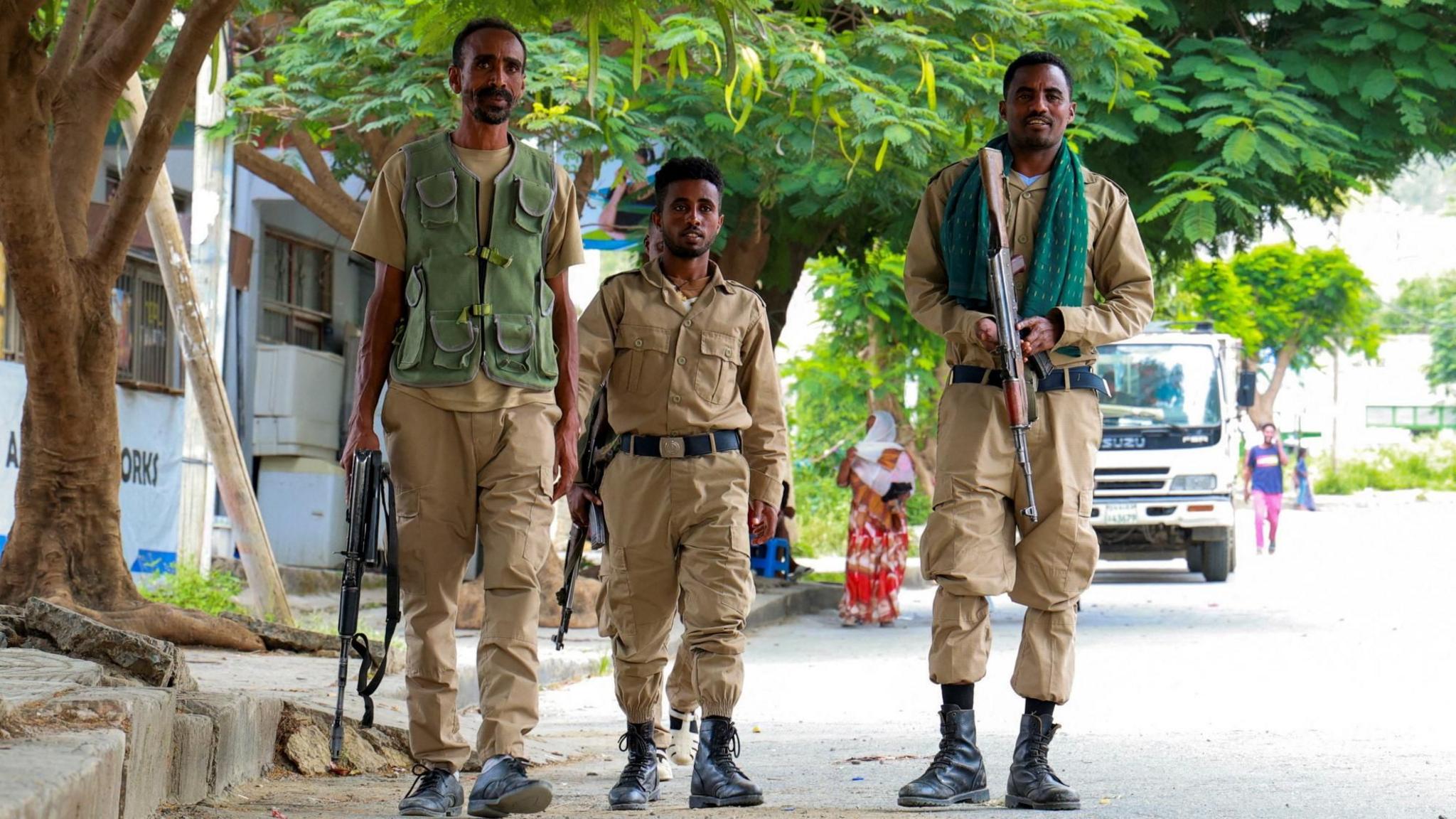
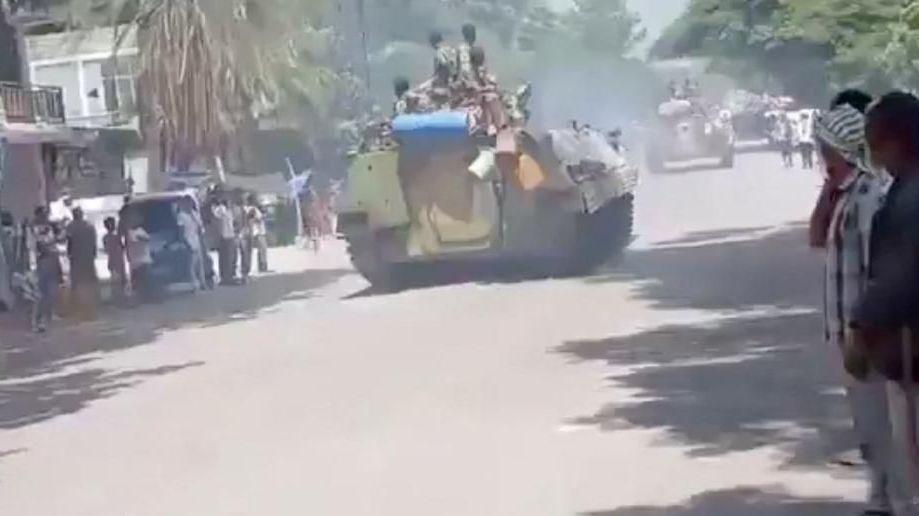
Military clashes continue across Tigray, Afar and Amhara, with federal forces reportedly regaining ground in southern Tigray and advancing toward Mekelle. The Tigray People’s Liberation Front (TPLF) and allied militias, including the Fano group from Amhara, have joined forces to challenge Prime Minister Abiy Ahmed’s government. Both sides blame each other for initiating the latest hostilities.
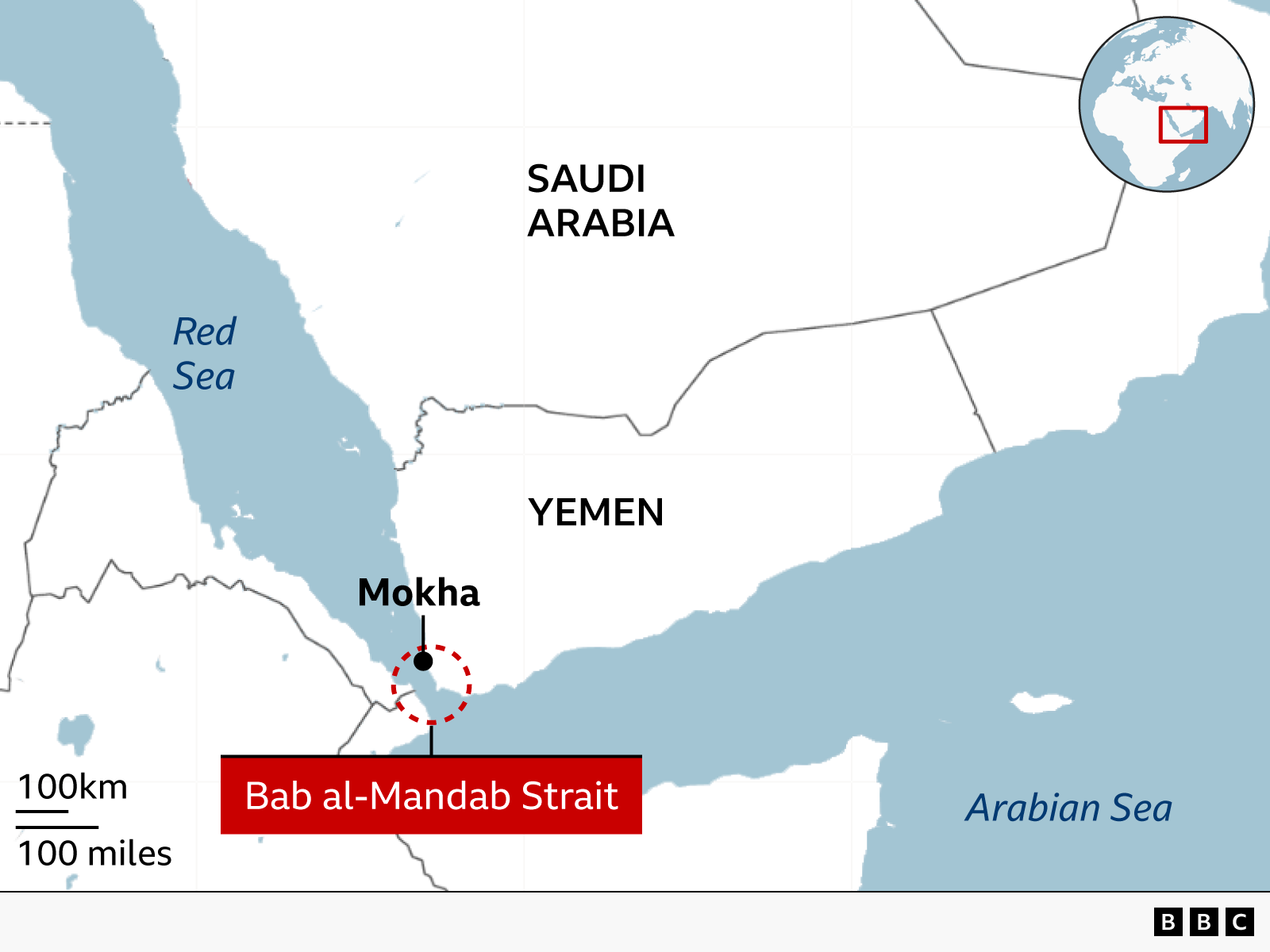
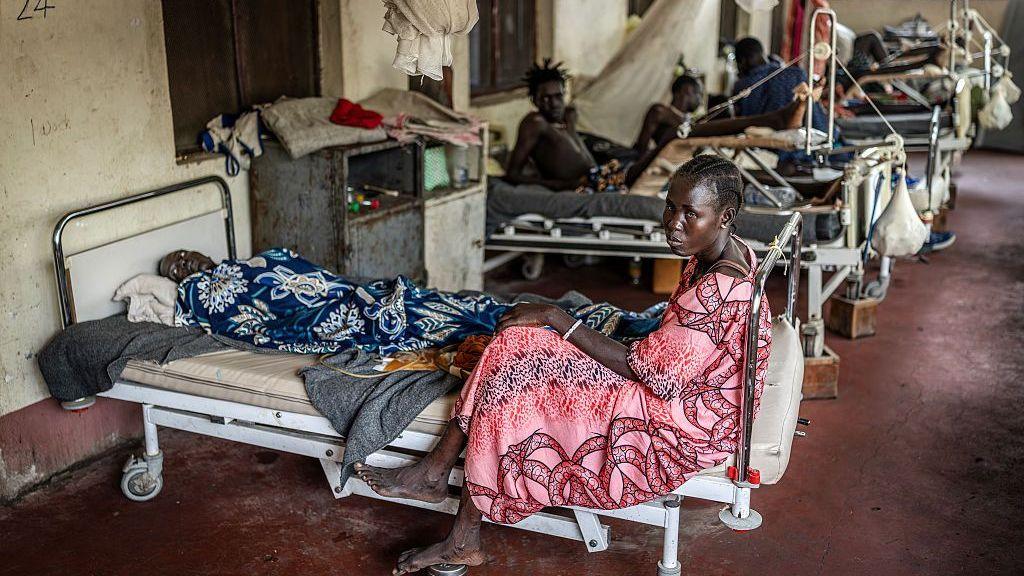
The African Union and the United Nations have urged restraint, warning that escalated conflict could further disrupt humanitarian operations and destabilise the region. The UN insists on the need for safe access for aid workers, while the AU calls for diplomatic engagement to prevent a broader war. As Ethiopia seeks direct access to the Red Sea and Eritrea points to growing hostilities, the political landscape in the Horn of Africa has become increasingly volatile, raising alarms of potential spill‑over into neighbouring states.