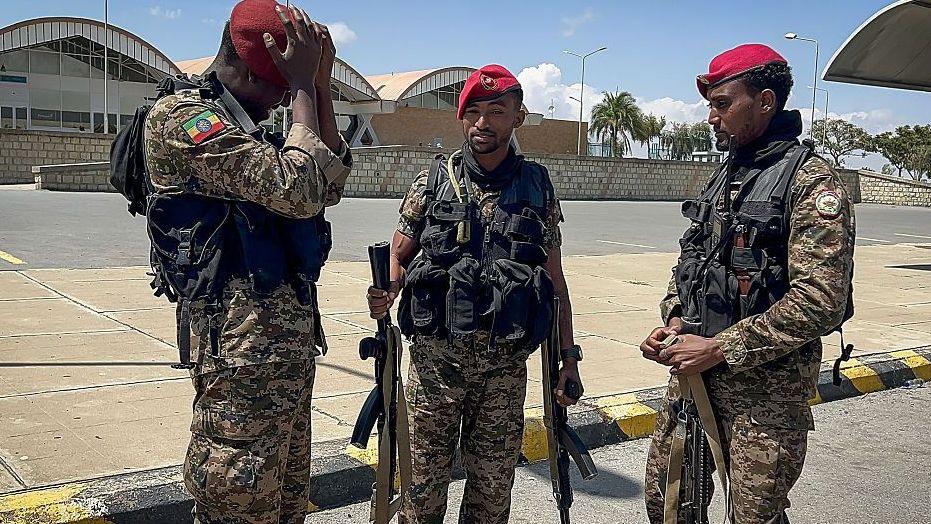
Ethiopia Declares Defiance after Eritrean Troops Cross Tigray Border

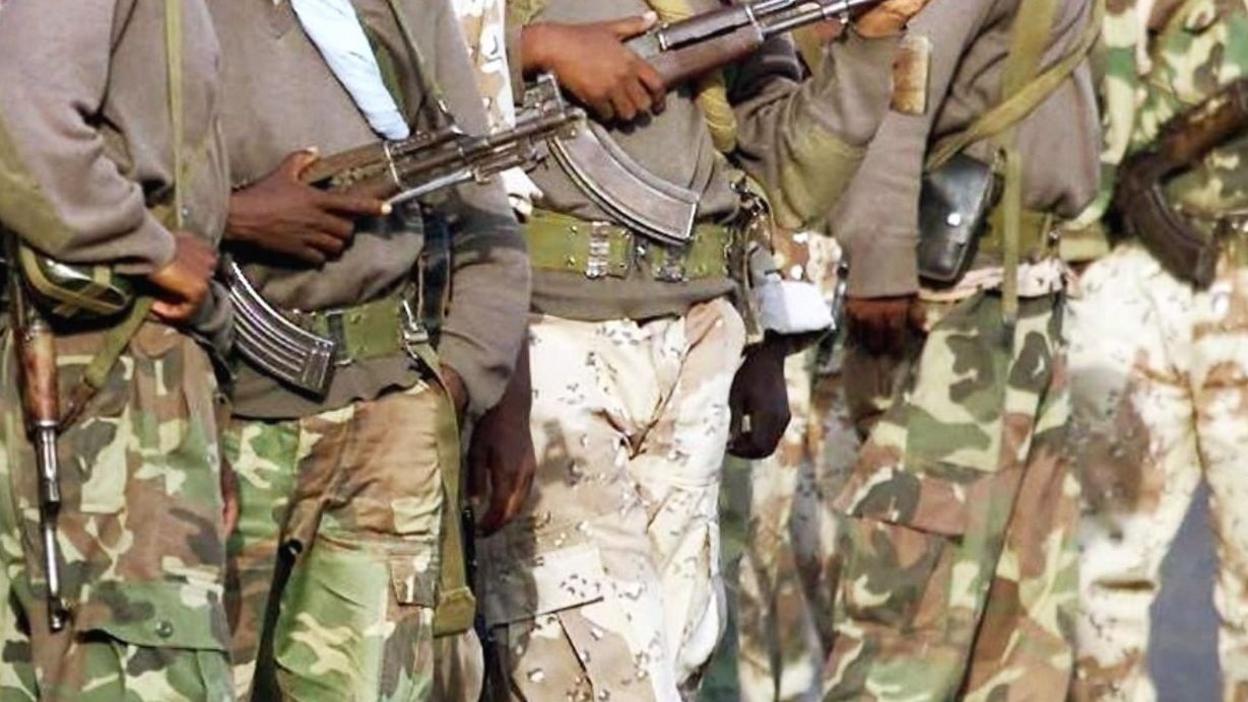
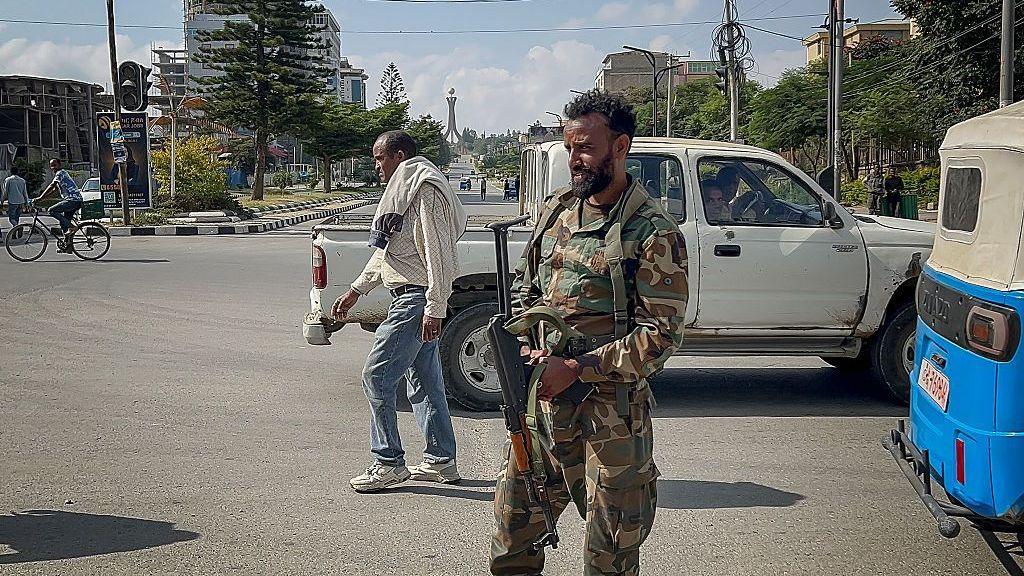
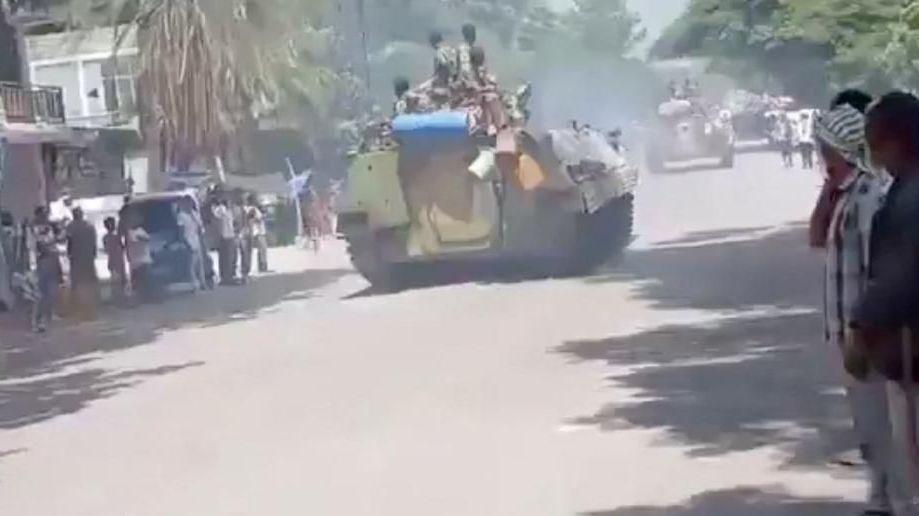
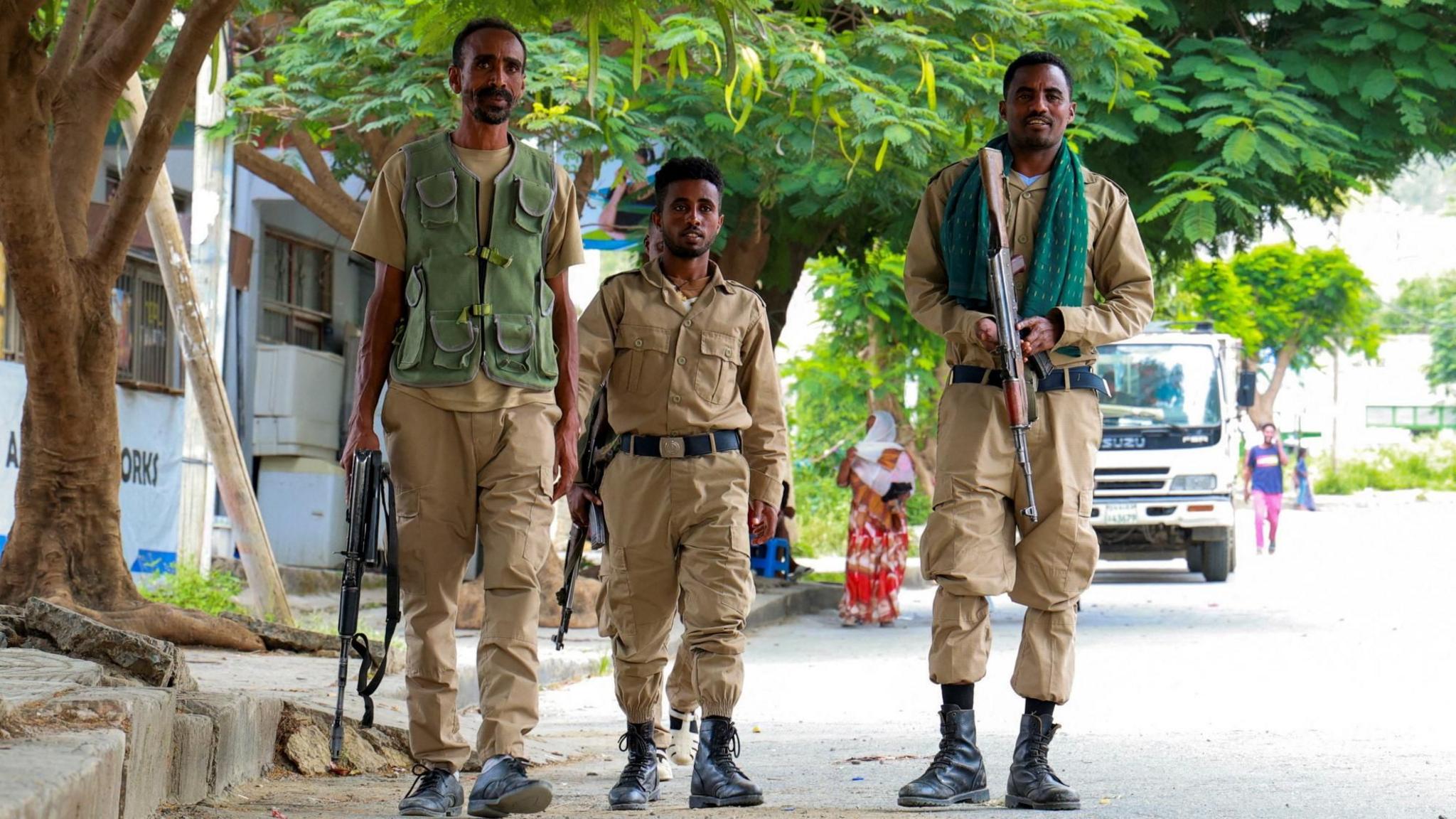
Ethiopia has accused its neighbour Eritrea of a blatant invasion of its northern Tigray region, stating that troops have crossed the border up to 60 km (37 miles) into Ethiopian territory. The accusation came after residents told the BBC of Eritrean soldiers moving into the area, an action Ethiopia deems an all‑out invasion that demands a defensive response.
In a letter to the UN Security Council, Ethiopia’s Foreign Minister Gedion Timothewos described the incursion as a “blatant act of aggression” that engages Ethiopia’s inherent right to self‑defence. The letter calls on the Council for “understanding, support and solidarity” but is seen as an overt warning of retaliatory measures.
Eritrea’s Information Minister Yemane Gebremeskel dismissed the claims, calling the allegations an unprovoked war of aggression and accusing Ethiopia of malign intent. He has also warned that the conflict stems from Ethiopia’s desire to seize one of Eritrea’s Red Sea ports.
The conflict escalated two weeks earlier when fighting broke out between the Ethiopian government and the Tigray People’s Liberation Front (TPLF). Both sides blame the other for breaching a 2022 peace agreement that ended a protracted civil war. While Ethiopia alleges Eritrea is backing the TPLF, it denies any military involvement.
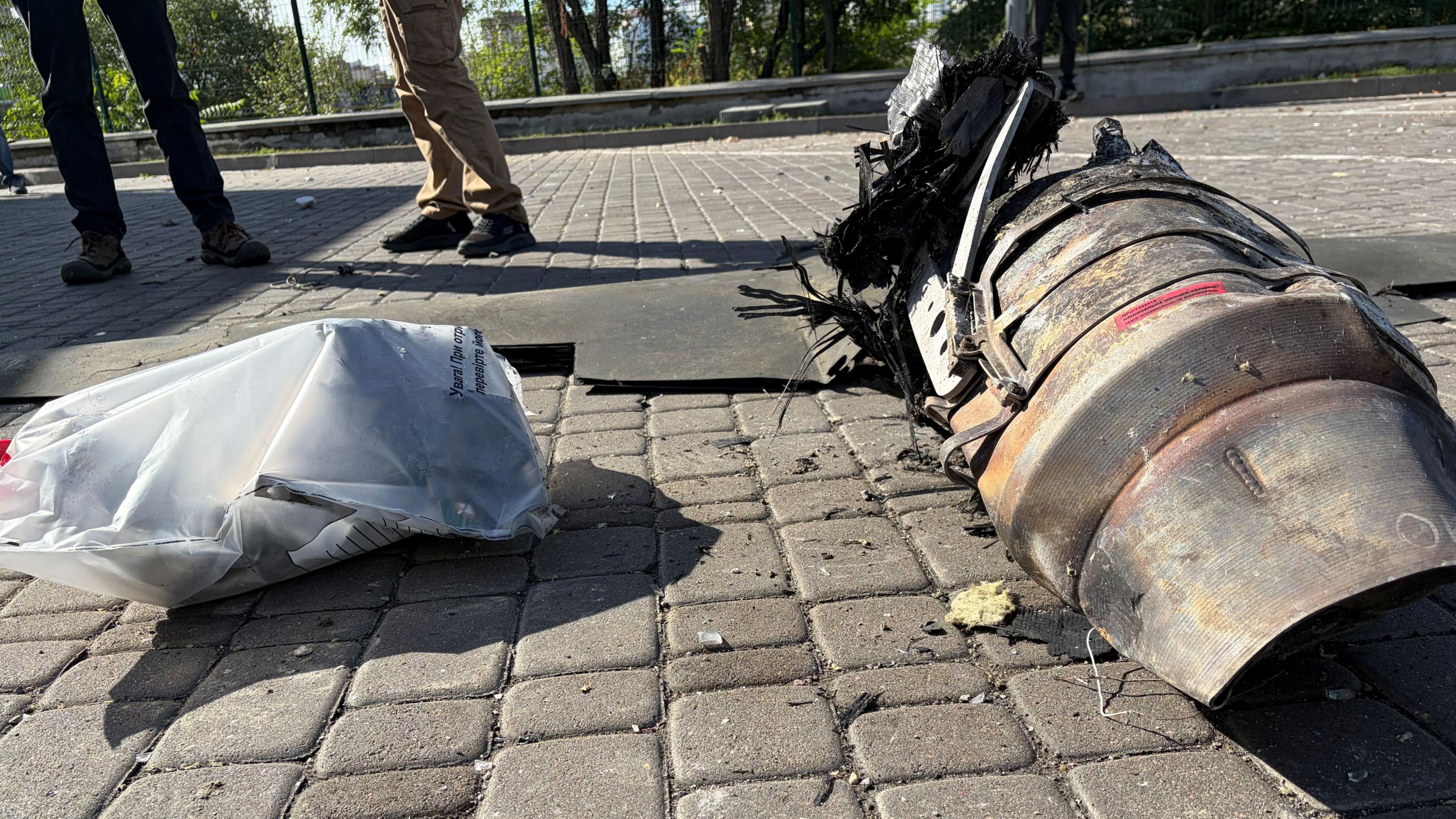
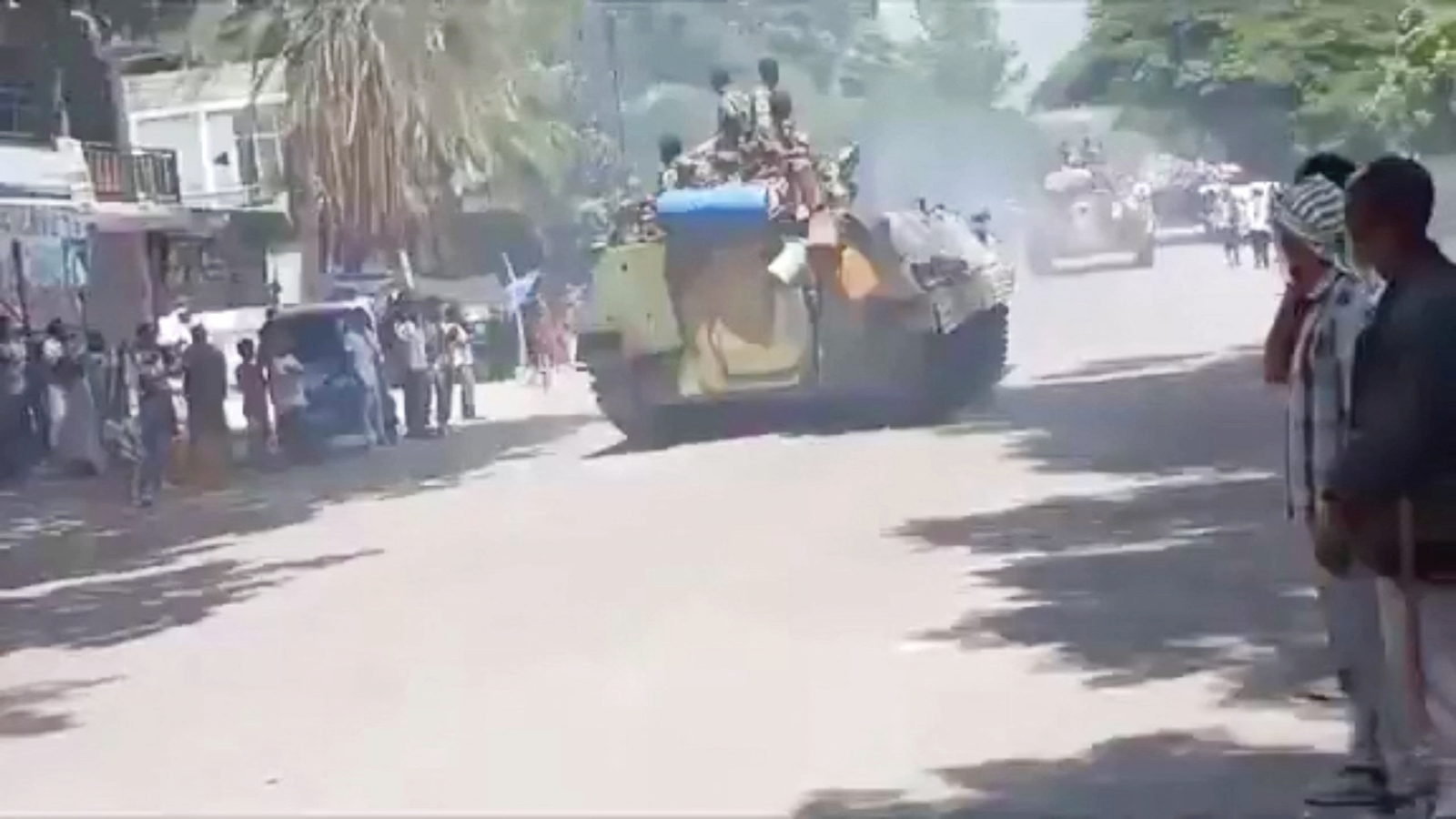
Ethiopian drone strikes reportedly targeted Eritrean forces in the town of Adigrat on Wednesday and Thursday. According to US‑based conflict monitor ACLED, the strikes hit “multiple drone strikes” on Eritrean troops and ammunition, with some lorries destroyed. Witnesses reported that Eritrean forces appeared to be retreating north after the attacks, though no casualties have been confirmed.
The standoff could trigger a wider regional conflict, with both Ethiopia and Eritrea seeking to protect their national interests. The former is intent on reasserting control within the Tigray region, while the latter claims to defend its sovereignty and reject any perceived provocation.
The conflict remains a key flashpoint in the Horn of Africa, underscoring the fragility of peace talks that have largely stalled since the ceasefire of 2022. Analysts warn that any escalation could undermine the fragile stability that has emerged in the region in recent years.