Drone Warfare by Jihadist Groups on the Rise in West Africa
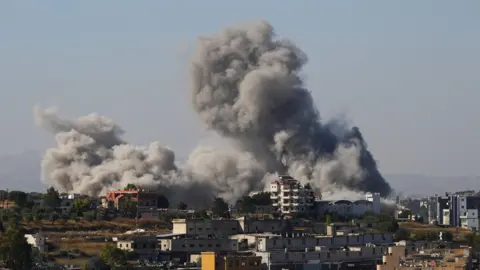
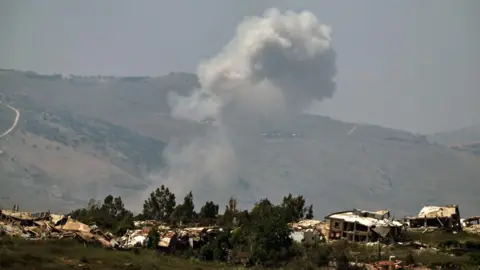
West Africa is witnessing a significant uptick in drone strikes carried out by jihadist groups, raising alarms over a transformative shift in warfare tactics. Reports indicate that militant factions have increasingly turned to drone technology, with a staggering 69 drone strikes conducted by al-Qaeda affiliates in Burkina Faso and Mali since the beginning of 2023. Concurrently, Islamic State affiliates have reportedly executed around 20 drone assaults, predominantly in Nigeria, a country grappling with multiple insurgent conflicts for nearly 25 years.
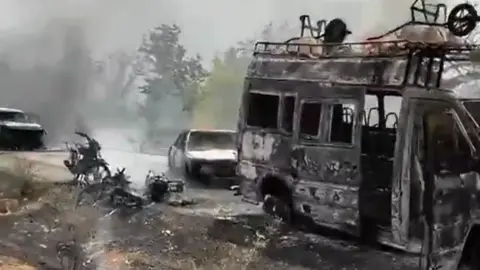
The latest incident occurred on January 29, with jihadists executing a dual-pronged attack involving drones and ground troops against a military installation in Nigeria's Borno state, resulting in the deaths of nine soldiers, as confirmed by the military. The Islamic State West Africa Province (Iswap) has been identified as a leading player in drone warfare in the region.
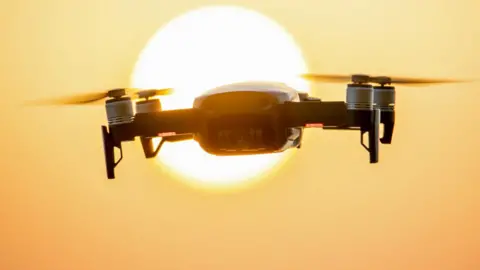
Militants typically utilize inexpensive quadcopter drones augmented with explosives, which aid them not only in strikes but also in conducting vital reconnaissance and surveillance for ground operations, according to Ladd Serwat, a senior analyst with the Armed Conflict Location & Event Data Project (Acled).
Despite strict government controls in Nigeria on the import and operation of drones, jihadist groups have adeptly procured these technologies through established smuggling networks that exploit the porous borders of the region.
Security experts have expressed concern about the escalative potential of such advanced tactics. Audu Bulama Bukarti, a security analyst, highlights that the introduction of drones into the arsenal of these groups could significantly lower their operational costs and enhance the reaching capabilities against military facilities.
Further, Iswap has reportedly executed more drone strikes across Nigeria and into neighboring countries like Cameroon, Niger, and Chad, while their affiliates have extended their reach into even unexpected theaters such as Niger's capital, Niamey, where they assaulted an international airport in the latest episodes of violence.
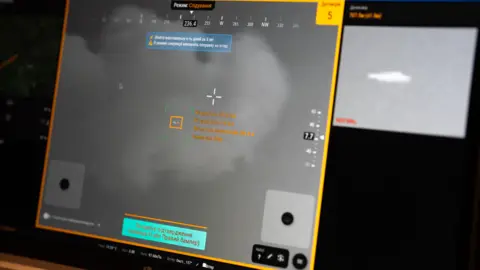
The swift adaptation of drone technology, including first-person view (FPV) drones capable of precise strikes, reflects a worrying trend in how these militant organizations operate. Analysts contend that this capability represents a marked shift in their operational methodologies, challenging existing military frameworks and necessitating urgent defensive strategies.
To combat this escalating threat, experts like Taiwo Adebayo advocate for proactive measures, including preemptive strikes on drone assembly sites and enhanced anti-drone technologies to counter militant advancements. The potential for increased drone warfare capabilities among jihadist groups could drastically disrupt regional stability, raising the stakes of conflict in West Africa.