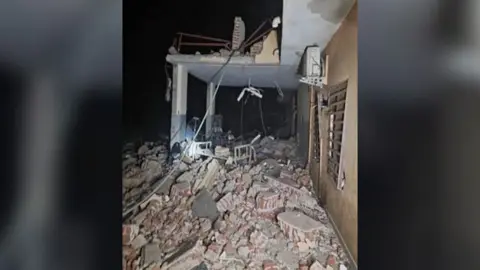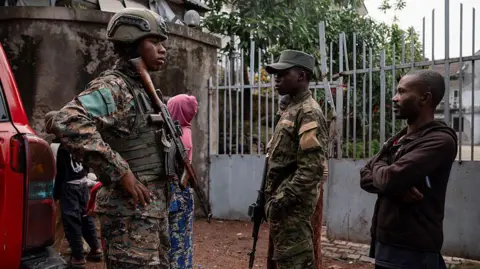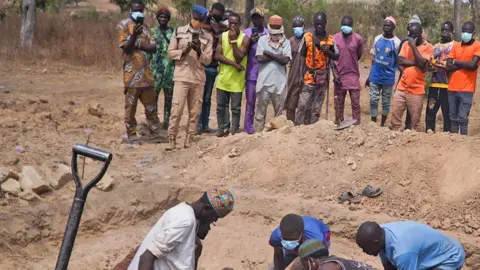
More than 100 armed jihadists in army fatigues stormed the Muslim villages of Woro and Nuku in Kwara State, Nigeria, on Tuesday evening, launching an attack that left at least 75 people dead. Eyewitness Abdulla Umar Usman recounted the brutality of the assailants, who came seeking to impose their extremist ideologies on the local community after seemingly innocuous requests to preach.
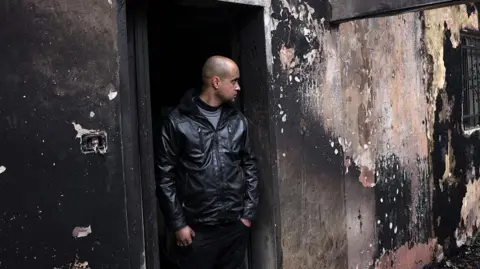
The violence began around sunset as villagers returned from their farms. The militants' first move was targeted against the home of local leader Umar Bio Salihu, who had previously received a letter from them asking permission to preach. Salihu, not present during the attack, lost two children who were still in the house.
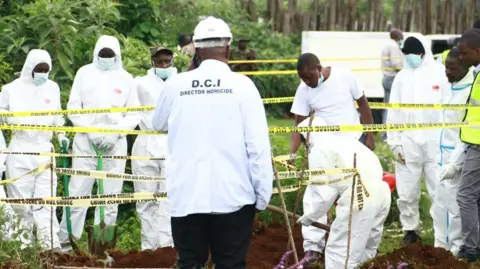
Witness reports indicate that the jihadists engaged in a night-long spree of violence, killing indiscriminately and destroying property. They left behind dozens of bodies, many of which were found tied up or showing signs of brutal execution, with Amnesty International confirming reports of slitting and shooting.
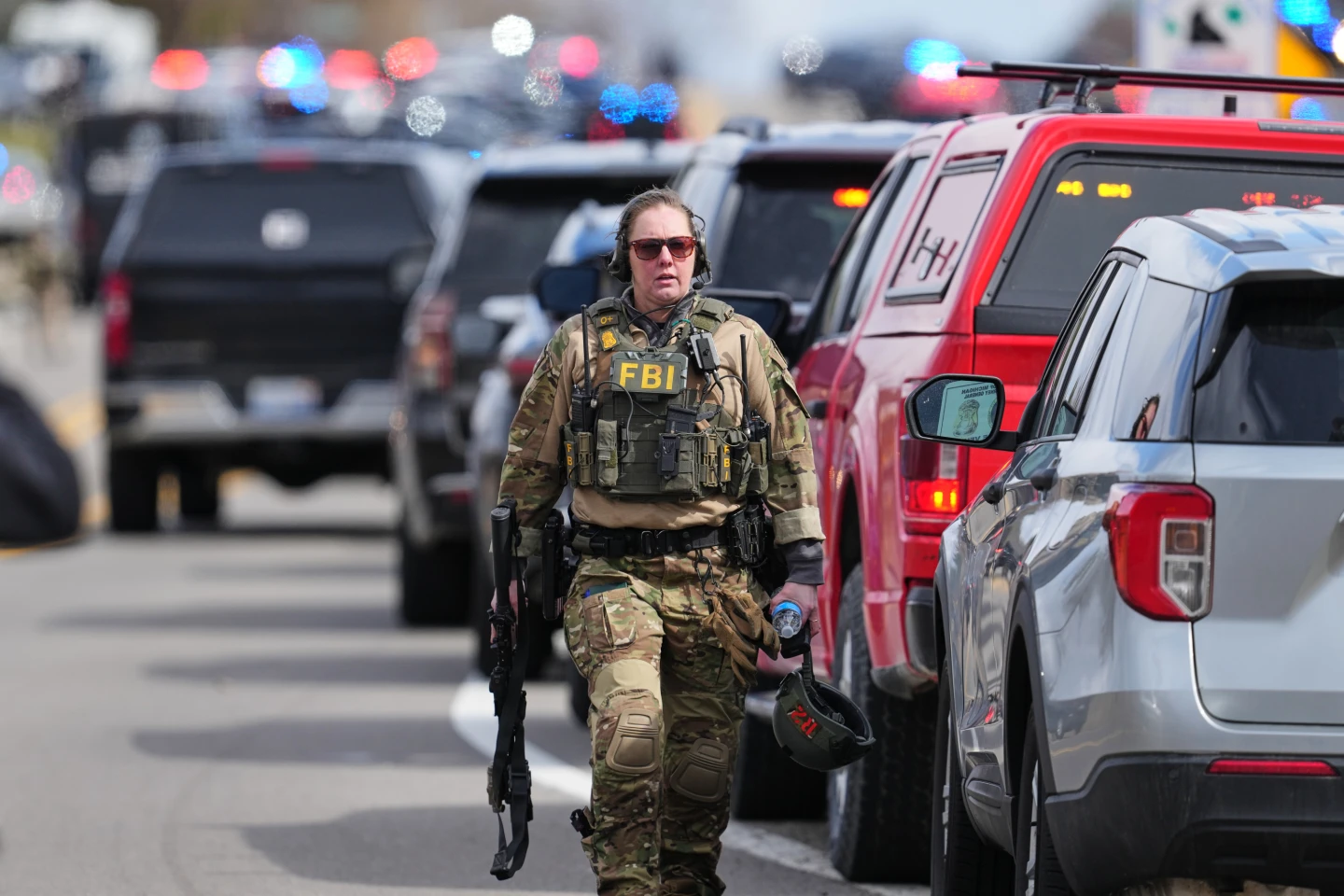
Post-attack investigations revealed that security forces had previously been alerted about the militants' intentions but failed to take adequate action. This led to heightened criticism surrounding the Nigerian government's ability to provide security in a region already fraught with violence from various armed groups.
In addition to the killings, the attackers abducted 38 women and children, including some of the traditional leader's family members. The local community, who had previously set up vigilante groups for protection, felt a deep sense of betrayal and vulnerability as the well-coordinated attack took place without their knowledge.
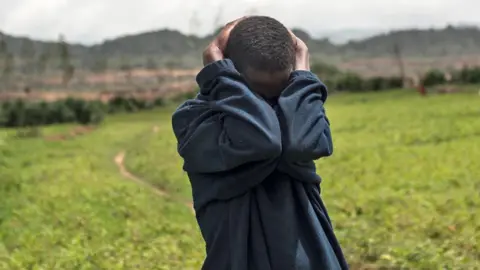
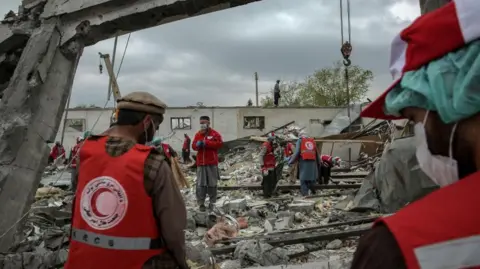
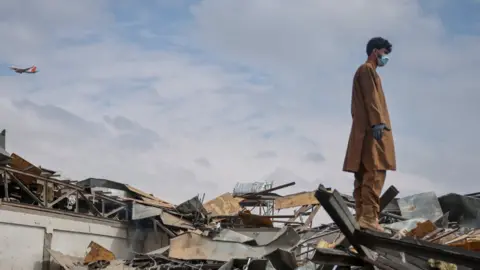
Residents still recover from the devastation, grappling with loss and fear, while state authorities have promised a military response to restore security. However, the gruesome events have left a lasting impact on the surviving inhabitants of Woro and Nuku, marking a painful chapter in their community's history.
The violence began around sunset as villagers returned from their farms. The militants' first move was targeted against the home of local leader Umar Bio Salihu, who had previously received a letter from them asking permission to preach. Salihu, not present during the attack, lost two children who were still in the house.
Witness reports indicate that the jihadists engaged in a night-long spree of violence, killing indiscriminately and destroying property. They left behind dozens of bodies, many of which were found tied up or showing signs of brutal execution, with Amnesty International confirming reports of slitting and shooting.
Post-attack investigations revealed that security forces had previously been alerted about the militants' intentions but failed to take adequate action. This led to heightened criticism surrounding the Nigerian government's ability to provide security in a region already fraught with violence from various armed groups.
In addition to the killings, the attackers abducted 38 women and children, including some of the traditional leader's family members. The local community, who had previously set up vigilante groups for protection, felt a deep sense of betrayal and vulnerability as the well-coordinated attack took place without their knowledge.
Residents still recover from the devastation, grappling with loss and fear, while state authorities have promised a military response to restore security. However, the gruesome events have left a lasting impact on the surviving inhabitants of Woro and Nuku, marking a painful chapter in their community's history.