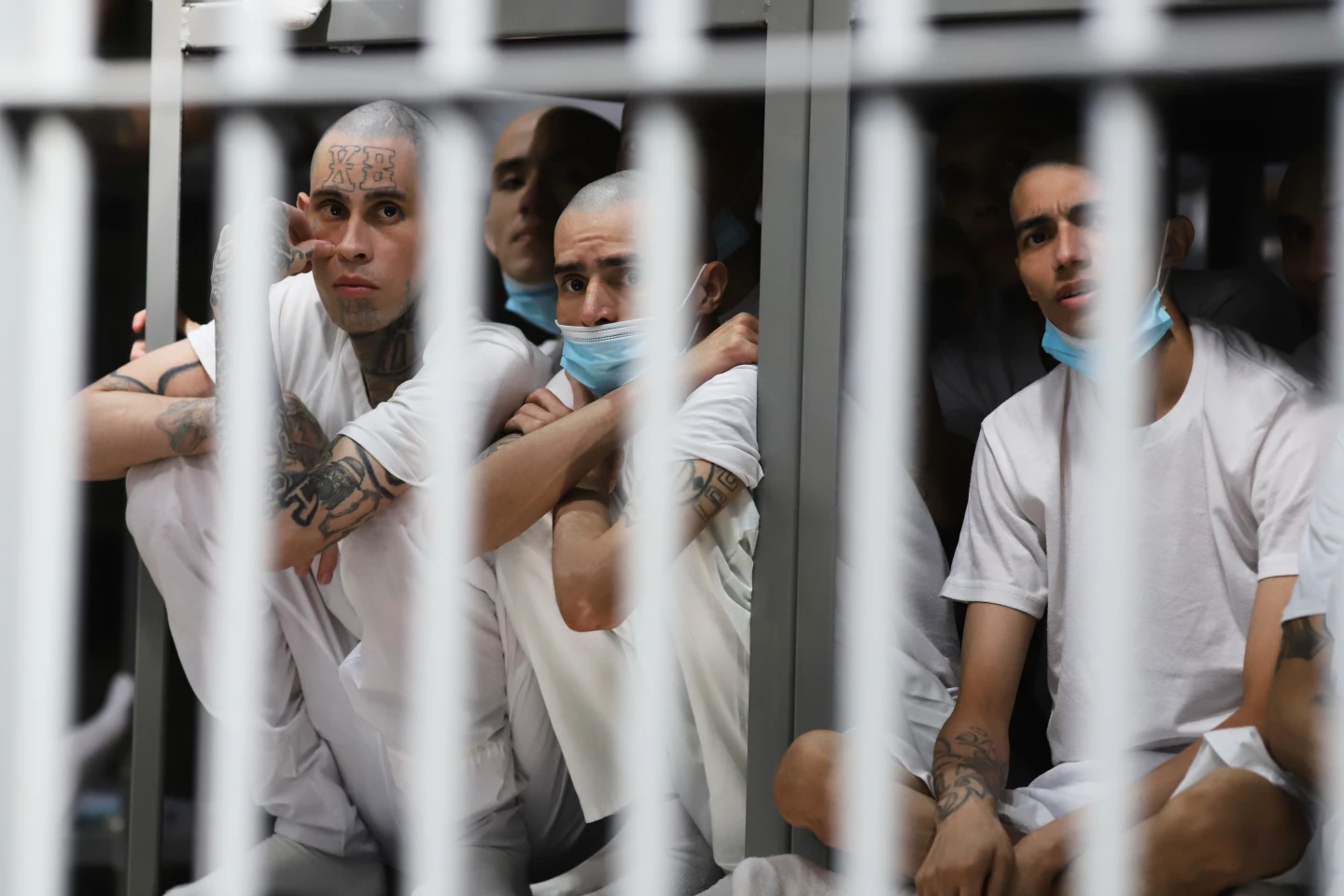
MIAMI (AP) — Recent findings by Human Rights Watch reveal alarming practices surrounding Salvadoran nationals who have been deported from the United States. Many of these individuals are reportedly facing arbitrary detention and subsequent disappearance within El Salvador’s prison system.
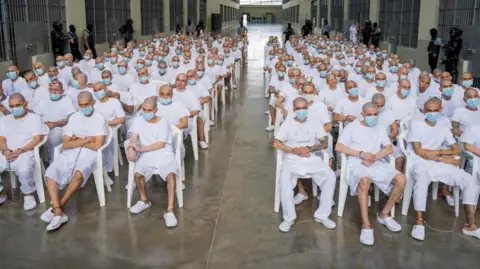
The report indicates that these detainees are part of over 9,000 Salvadorans deported since January 2025. Many deportees have entered prison systems like the Center for Terrorism Confinement (CECOT). Although precise numbers of those arbitrarily detained were not provided, testimony from relatives and attorneys of 11 deported individuals highlights severe communication barriers, making it impossible for families to obtain information regarding their loved ones.
Juanita Goebertus of Human Rights Watch expressed concern, stating, “They have a right to due process, to be taken before a judge, and their relatives are entitled to know where they are being held and why. Deportation cannot mean enforced disappearance.”
The situation has worsened since President Nayib Bukele instituted a “state of emergency” in 2022 to combat gang violence, resulting in the suspension of key constitutional rights and the detention of approximately 91,300 individuals.
Reports of human rights abuses within prisons have been documented, including violence and sexual abuse. Families endure ongoing uncertainty about their loved ones' fates while facing numerous challenges in securing legal information or support.
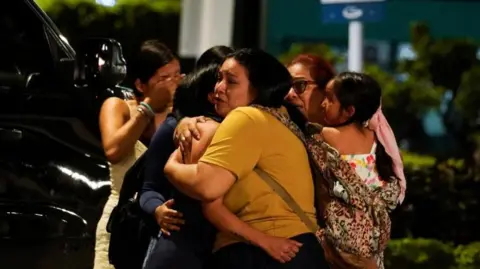
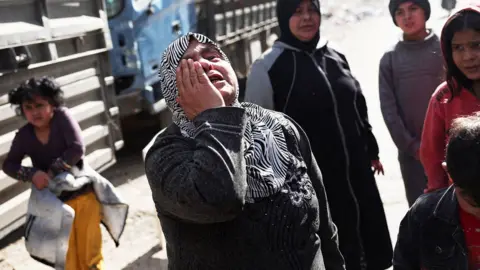
Many deportees had established lives in the U.S., and families continue to struggle with despair and uncertainty. One mother, whose son was detained following deportation, described her anguish, stating, “I want information. I want someone to tell me that my son is OK, that he’s alive.” In some instances, families only learn about the whereabouts of their loved ones through social media or litigation.
As pressure mounts from human rights organizations, the El Salvador government has yet to respond to inquiries regarding the report's findings. Immediate calls for transparency and accountability are crucial as the challenge to ensure the rights and safety of detainees remains critically needed.