Zimbabwe Parliament Extends President Mnangagwa’s Term to 2030
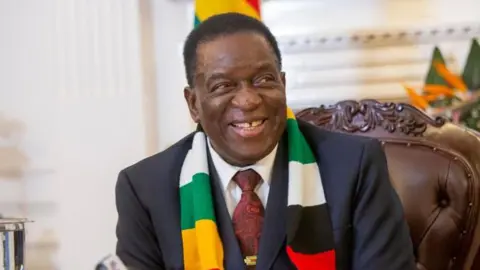
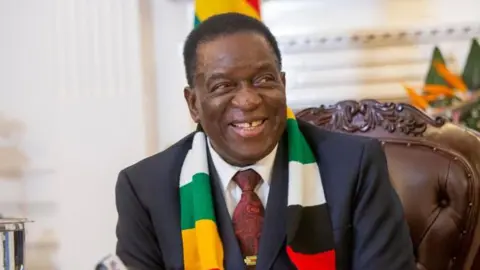
The lower house of Zimbabwe’s parliament voted Thursday to adopt a constitutional amendment that will let President Emmerson Mnangagwa remain in power until 2030. The bill raises the length of presidential terms from five to seven years and eliminates the country’s annual direct elections for the presidency, paving the way for a parliamentary selection of the next leader.
A total of 216 lawmakers signed the amendment, exceeding the two‑thirds majority required by the constitution. To date, the voting threshold needed 187 affirmative votes. A minority of 42 parliamentarians opposed the change.
Mnangagwa took power in 2017 after ousting longtime ruler Robert Mugabe with the backing of the military and has since won elections in 2018 and 2023, which critics labelled disputed. His new term will extend beyond the end of his second stint that expires in 2028.
The amendment also delays the next parliamentary election, pushing it from 2028 to 2030, and keeps Mnangagwa in office through the new schedule. The move has drawn sharp criticism from opposition parties, civil‑society groups and legal experts who demand a national referendum for such sweeping constitutional changes.
Despite a challenge to the bill that reached the Constitutional Court, judges dismissed the request on Wednesday, allowing the amendment to proceed through the senate and eventually require presidential assent.
The passage of the amendment has intensified debate over Zimbabwe’s political future, as critics warn it could erode democratic accountability and prolong the ruling party’s dominance, while supporters argue it guarantees stability and continuity.
For more detailed analysis, see BBC Africa’s coverage of Zimbabwe’s political landscape.