In brief
In a significant decision, a court in Islamabad sentenced Umar Hayat to death for the June 2025 murder of TikTok star Sana Yousaf. After being rejected by the 17-year-old influencer, Hayat broke into her home, leading to her tragic death. The ruling is seen as a critical message against violence towards women in Pakistan. Yousaf's father expressed hope that the verdict would serve as a warning to similar offenders.
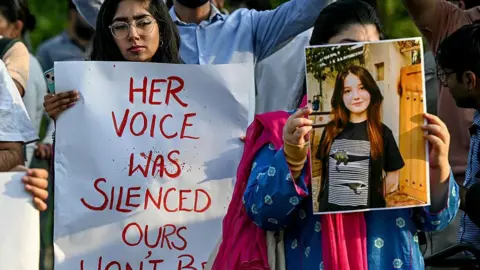
A court in Pakistan has sentenced a man to death over the murder of a teen social media influencer that sparked uproar across the country. Umar Hayat broke into the home of 17-year-old TikTok star Sana Yousaf in June last year after she rejected his repeated advances, and shot her dead. Hayat, now 23, admitted his crime in July, saying he had developed a one-sided obsession with Yousaf after some interactions online. Yousaf's father, Syed Yousaf Hassan, stated that the verdict handed down by the Islamabad court was 'a lesson for all such criminals in society', as reported by local media. The court also ordered Hayat to pay 2.5 million rupees (approximately $9,000) as compensation to Yousaf's family.During investigations, Hayat mentioned that he had travelled to Islamabad days before the killing to wish Yousaf well on her birthday. He attempted to meet her against her wishes, ultimately leading to a confrontation that escalated into violence. Yousaf had amassed over a million followers on TikTok, known for her engaging content ranging from fashion trends to light-hearted interactions with friends.Activists argue that Yousaf's murder is part of a troubling pattern of violence against women in Pakistan, highlighted by ongoing societal backlash against her influence as a social media creator. Critics have suggested, often citing religious grounds, that she should have refrained from posting such content online, while prominent activists have labeled this response as 'misogynistic' and 'patriarchal'. According to them, this incident and the subsequent reactions point to the dangers female content creators face in a challenging online environment. The decision has reinvigorated public discourse on women's safety and rights in the country, with many calling for harsher penalties for gender-based violence.