In brief
In the wake of a fuel blockade and rolling blackouts, expectant mothers in Cuba are preparing for childbirth under increasingly dire conditions. With limited resources and a crumbling healthcare system, women like Mauren and Indira express their fears for their children’s futures amid a national crisis.
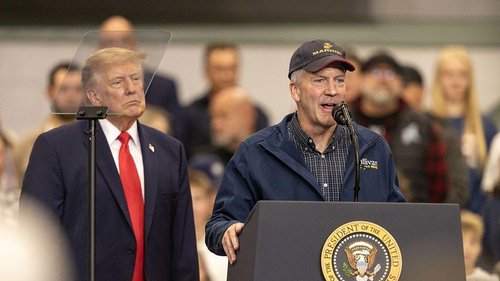
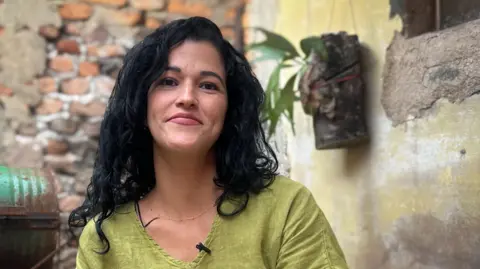
Since the Trump administration imposed a fuel blockade on Cuba, pregnant women face significant challenges as they prepare to give birth. Mauren Echevarría Peña, for instance, is in a specialized maternity hospital in Havana due to complications during her pregnancy, including gestational diabetes and chronic hypertension. As she awaits the arrival of her baby boy, she nervously anticipates giving birth in a nation plagued by rolling blackouts and days-long power outages.
Over the weekend, Cuba experienced another nationwide electrical grid collapse, intensifying the worry among expectant mothers. Mauren, despite her fears, is grateful for the attention she receives from medical staff working tirelessly under challenging conditions. A coalition of international aid movements recently brought assistance to Havana's maternity hospital, providing a glimmer of hope in these tough times.
Indira Martínez, another expectant mother, shares similar concerns as she navigates the hardships of pregnancy. With the power out in her home for days, she struggles to maintain proper nutrition and has been unable to work as a hair stylist, relying solely on her husband's income as a blacksmith. She reflects on the scarcity of support amid the current crisis, noting that humanitarian aid supposedly sent from Mexico has not reached her.
Both women reflect on the daunting reality their children will face in Cuba, a country in the grip of economic distress and diminishing prospects for future generations. With an ageing population and a low birth rate, Cuba's future relies on nurturing young families, despite the significant obstacles presented by the current crisis.
In the backdrop of this national crisis, the resilience of mothers like Mauren and Indira highlights not only their personal challenges but also the broader struggles of a nation adjusting to a new and difficult reality as they prepare to welcome new life amidst uncertainty.
}