In brief
Cuba's national electrical grid has collapsed again, leaving millions without power for the second time in a week. The government has prioritized restoring electricity to essential services, but public dissent is growing amid chronic energy shortages and a US fuel blockade. A coalition of aid groups is also providing support as protests erupt in response to the crisis.
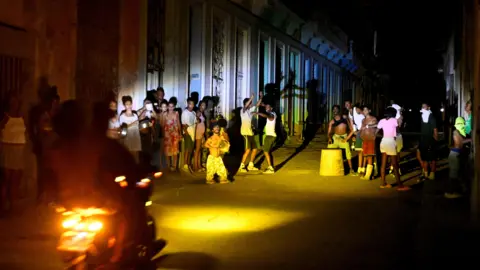
Cuba plunged into darkness for the second time in a week, with over 10 million people affected by the nationwide blackout. The country's energy ministry confirmed a total disconnection in the national electrical system. The grid operator, UNE, is now attempting to restore power, focusing on crucial facilities like hospitals and water systems. By Sunday afternoon, electricity had been restored to about half of Havana.This recent blackout is part of a troubling pattern, with Cuba experiencing three significant outages this month alone. The recurring power failures are attributed to a longstanding fuel blockade imposed by the U.S., which has hindered the country’s ability to secure the foreign oil necessary for energy generation.Public displeasure is surfacing, with protests reported in various regions, including people banging pots and pans in Havana to express their frustration. In Morón, some demonstrators targeted and set fire to the Communist Party's headquarters. Despite the risk of legal repercussions for unauthorized protests, citizens are voicing their despair over poor living conditions and an overstretched infrastructure.Adding to the challenges, a coalition of international socialist groups has arrived in Havana, bringing aid that includes solar panels and essential supplies. Meanwhile, the Cuban government is engaged in discussions with the U.S. aimed at alleviating the crisis, yet insists that fundamental political changes are non-negotiable. As the situation unfolds, both humanitarian and political responses are crucial in addressing the ongoing energy calamity affecting the island nation.