In brief
On March 22, 2026, Cuba experienced a nationwide blackout for the second time in a week. Over 10 million people were left without electricity after the country's national electric grid collapsed. The government is prioritizing the restoration of power to vital services while protests erupt across the island against the ongoing crisis, exacerbated by a U.S. fuel blockade.
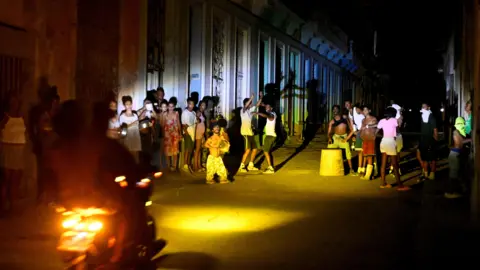
Cuba has plunged into darkness for the second time this week as its national electrical grid suffered a total collapse. More than 10 million citizens are directly affected, as the energy ministry confirmed the total disconnection of the National Electrical System. This crisis follows a series of significant blackouts this month, driven by a combination of an ongoing U.S. fuel blockade that has severely limited oil imports necessary for powering the country's aging electricity infrastructure.In response to the blackout, the Cuban grid operator UNE has begun implementing recovery protocols, prioritizing essential services such as hospitals and water systems. Locals have raised concerns regarding the nationwide power shortages, leading to rare public protests where residents in central Havana protested by banging pots and pans, and in the town of Morón, demonstrators set fire to local Communist Party headquarters.Support has started to arrive from international socialist groups, including the 'Nuestra America' convoy delivering aid, such as solar panels and basic food supplies, to support those affected by the crisis.Despite the worsening power situation, the Cuban government is working to manage the fallout while facing significant challenges due to political pressure and the legality of demonstrations in the country. The government has also indicated that plans are in place to enhance national defenses against potential foreign military threats amid ongoing negotiations with the U.S. regarding the crisis.