In brief
In Chinle, Arizona, the ongoing government shutdown is causing significant disruptions in local schools, particularly affecting after-school programs that provide critical meals for students. The Chinle Unified School District, heavily reliant on federal Impact Aid, faces tough decisions as funding is stalled. School leaders are concerned about how to maintain operations without federal support, which could lead to more extensive cuts in educational services.
In Chinle, Arizona, financial distress caused by the government shutdown has led to the suspension of after-school programs, including some that students rely on for meals.
Federal funds are crucial for many school districts across the U.S., but in the Chinle Unified School District—covering 4,200 square miles within the Navajo Nation—half of its budget depends solely on a federal program known as Impact Aid.
Unlike other school districts that fund operations through local property taxes, Chinle's options are limited due to federal lands that cannot be taxed. As a result, the district relies heavily on $1.6 billion from the federal government through Impact Aid to support teacher salaries and educational initiatives.
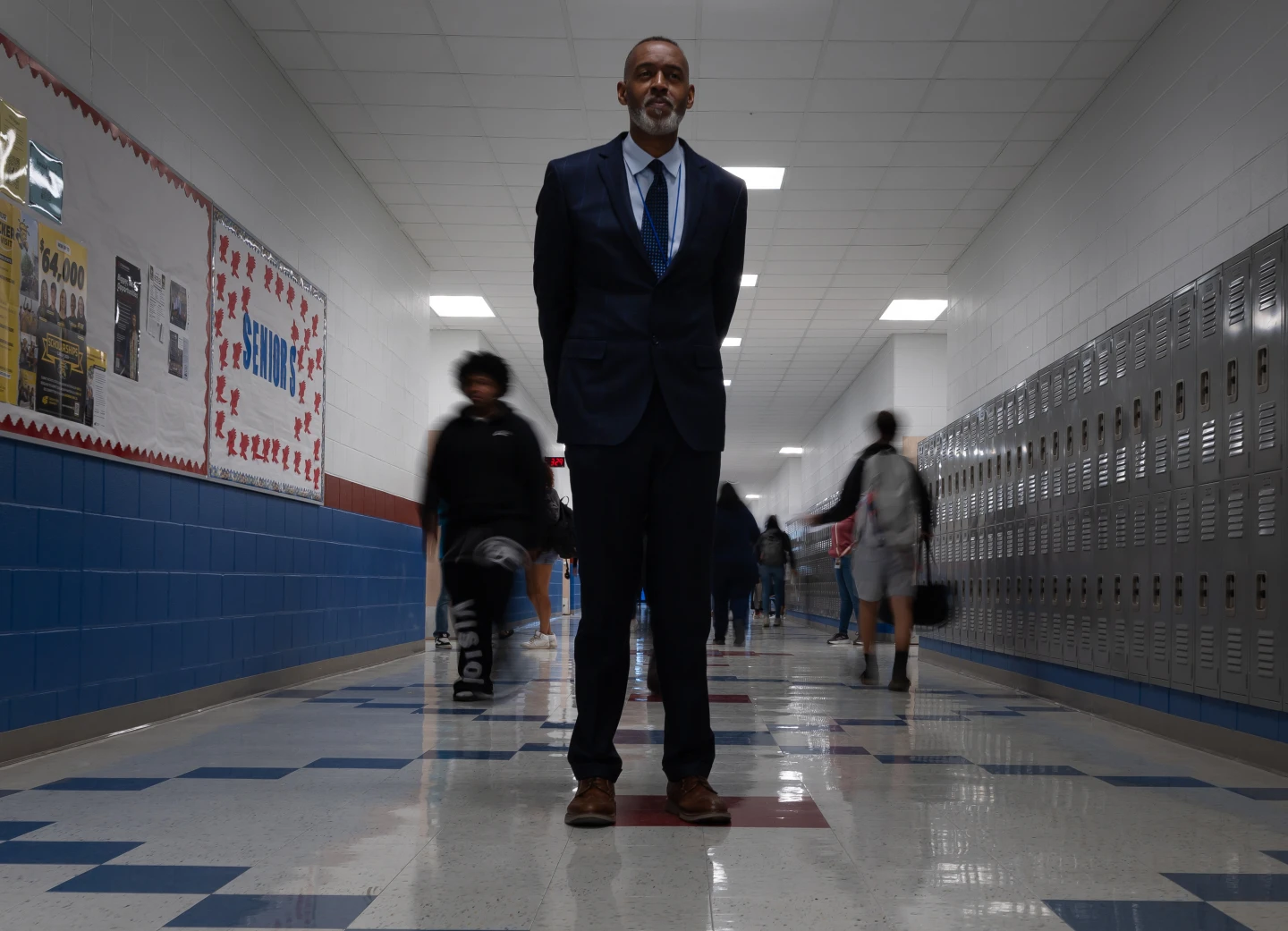
Unfortunately, due to the government shutdown, these payments have been suspended, causing school leaders to contemplate critical cuts to essential programs. Superintendent Quincy Natay expressed concern, stating that many students may go without meals they depend on: “The kids maybe are going home and not eating, because these are the only three meals they may get in a day.”
In addition to halting after-school programs, Natay mentioned pausing construction projects and hinted that the district could face financial difficulties, potentially resorting to loans for payroll if the situation does not resolve soon.
Meanwhile, the shutdown is also affecting food assistance programs for families in need. Recent court rulings have allowed some payments to be processed, but full restoration could take time, further widening the gap for vulnerable populations.
Despite efforts from local leaders and Democratic Congress members to address staffing cuts in the education sector, uncertainty looms as departments responsible for managing these funds remain understaffed during the shutdown.
The situation exemplifies the broader implications of federal funding interruptions on education in districts relying heavily on government support.