The Trump administration has quickly abandoned its familiar 'deny and attack' playbook after initially using it when federal agents shot dead Alex Pretti in Minneapolis on Saturday morning. Within 24 hours, as various videos of the shooting circulated online, it became clear that the White House was out of step with public opinion. Since then, the administration – and the president himself - have changed tack, blaming Democrats for what happened and focusing less on the actions of the American nurse who was killed.
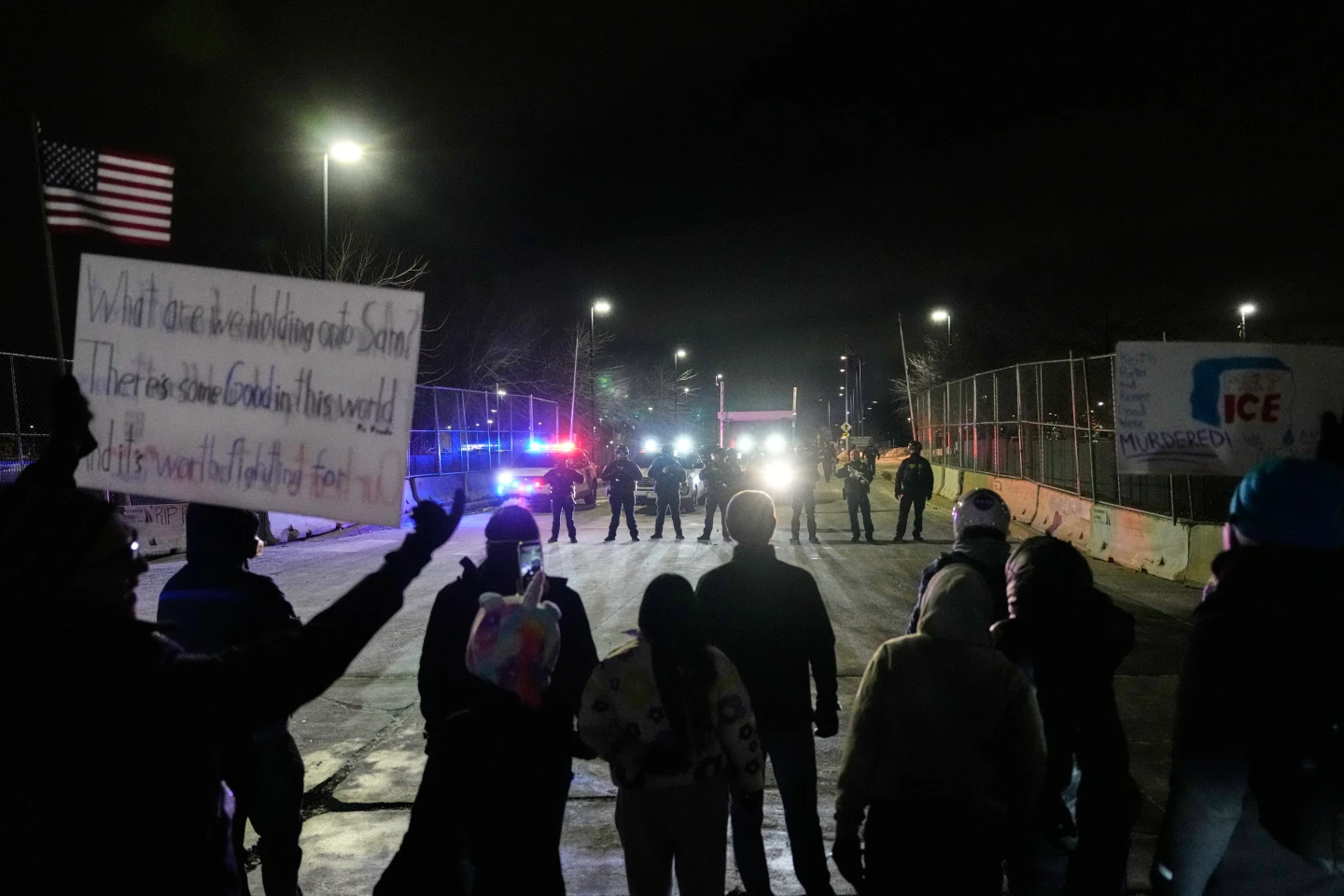
Democrats, meanwhile, have increased their criticism of the president's mass deportation policy and the aggressive tactics of Immigration and Customs Enforcement (ICE), leaning into a political fight that could result in a new government shutdown on Friday. On Monday, Deputy Attorney General Todd Blanche described the situation as a 'powder keg'. While he blamed the Democrats, many on both sides of America's political divide will agree that the current situation is fraught with peril.
The initial administration response to Pretti's death was straightforward. The 37-year-old was portrayed as a domestic terrorist bent on bloodshed. Homeland Security Secretary Kristi Noem claimed that Pretti wished to 'inflict harm' and was 'brandishing' a weapon. However, this perspective has faced significant scrutiny from local officials, witnesses, and the victim's family, especially after multiple videos showed Pretti filming ICE agents and helping a woman who was pushed over prior to being shot.
In light of public sentiment veering against its narrative, the White House toned down its rhetoric. Press Secretary Karoline Leavitt emphasized that a thorough investigation would be conducted, breaking from the initial combative stance.
As lawmakers scramble to respond, the dynamics present a critical juncture for Trump's handling of immigration policy. With polling indicating dwindling support for ICE's aggressive tactics, the president's administration may need to recalibrate its approach to mitigate backlash from a populace increasingly critical of its methods. The political fallout surrounding Pretti's death could transform into a pivotal issue leading into future elections.
Democrats, meanwhile, have increased their criticism of the president's mass deportation policy and the aggressive tactics of Immigration and Customs Enforcement (ICE), leaning into a political fight that could result in a new government shutdown on Friday. On Monday, Deputy Attorney General Todd Blanche described the situation as a 'powder keg'. While he blamed the Democrats, many on both sides of America's political divide will agree that the current situation is fraught with peril.
The initial administration response to Pretti's death was straightforward. The 37-year-old was portrayed as a domestic terrorist bent on bloodshed. Homeland Security Secretary Kristi Noem claimed that Pretti wished to 'inflict harm' and was 'brandishing' a weapon. However, this perspective has faced significant scrutiny from local officials, witnesses, and the victim's family, especially after multiple videos showed Pretti filming ICE agents and helping a woman who was pushed over prior to being shot.
In light of public sentiment veering against its narrative, the White House toned down its rhetoric. Press Secretary Karoline Leavitt emphasized that a thorough investigation would be conducted, breaking from the initial combative stance.
As lawmakers scramble to respond, the dynamics present a critical juncture for Trump's handling of immigration policy. With polling indicating dwindling support for ICE's aggressive tactics, the president's administration may need to recalibrate its approach to mitigate backlash from a populace increasingly critical of its methods. The political fallout surrounding Pretti's death could transform into a pivotal issue leading into future elections.