In brief
With the Iran conflict stretching into its second month, China is stepping up as a mediator, collaborating with Pakistan on a peace plan aimed at restoring stability to the vital Strait of Hormuz. Amidst escalating tensions and soaring oil prices, China's involvement reflects its economic interests and regional ambitions as it tries to assert itself as a significant global player.
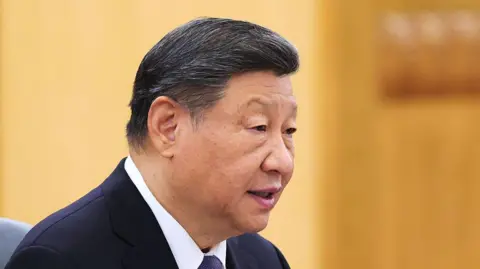
As the war in the Middle East enters its second month, choking the world's energy supply and sending oil prices soaring, China is trying to step in as a peacemaker. It comes as President Donald Trump says US military action in Iran could end in 'two to three weeks', but there is no clear sense yet of how that will happen or what comes after. China joins Pakistan, which has emerged as an unlikely mediator in the US-Israel war against Iran. Officials in Beijing and Islamabad have presented a five-point plan with the aim of bringing about a ceasefire and re-opening the vital Strait of Hormuz. Pakistan, which has been a US ally in the past, seems to have won over Trump to mediate this conflict.Beijing, however, enters the fray as a rival to Washington, ahead of crucial trade talks between Chinese leader Xi Jinping and Trump next month. China's backing on this is 'very important', says Zhu Yongbiao, a Middle East expert and director of the Centre for Afghanistan Studies at Lanzhou University. 'Morally, politically and diplomatically, China is providing comprehensive support with the hope that Pakistan can play a more distinctive role.' It marks a significant shift for Beijing, whose official response to the conflict has previously been muted.The peace plan was drafted following a visit by Pakistan's foreign minister to Beijing, seeking support for negotiations to end the conflict. His efforts appear to have resonated, as China's Foreign Ministry indicated new efforts towards advocating for peace.China's involvement is spurred by its need for a stable global economy amid an ailing domestic market. The country faces potential economic shocks if the energy crisis escalates, as rising oil prices could hamper its manufacturing sector. Nevertheless, China's influence in the region is tempered by its limited military presence and its historical caution in engaging in international conflicts.Despite its rising diplomatic engagements, concerns remain regarding China's authoritarian stance on global issues, which may affect its credibility as a peacemaker. However, as the world's largest crude oil importer, its strategic interests and economic interdependence with regional players underline its ambitions to play a larger role in Middle Eastern affairs.