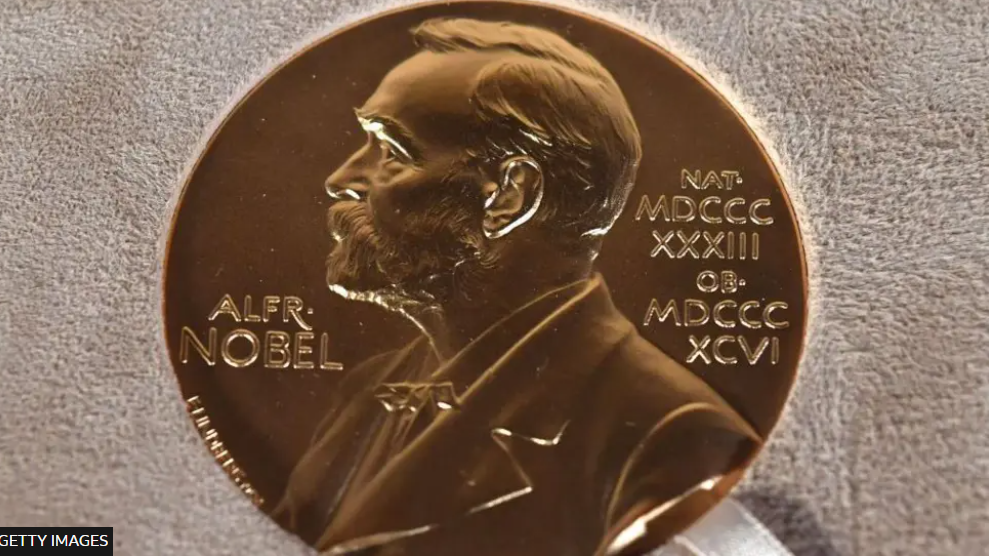
The Nobel Prize in Chemistry has been awarded to French scientist Henri B. Kagan and Japan's Kenso Soai for solving the long‑standing mystery of why life’s molecules favour one chiral form over the other.

Molecules that build life—such as amino acids—possess chirality, meaning they exist in two mirror‑image versions. However, biology uses only one of these half‑mirrors, a fact that has puzzled scientists for decades.
The two award‑winners unveiled a set of chemical reactions that generate one chiral form with high purity, demonstrating a possible origin for life's homochirality. Their work provides a chemical foundation for the emergence of life’s asymmetric building blocks.
The Nobel Committee praised the clarity and depth of their discoveries, calling it a milestone in understanding the chemistry behind living systems.
Their findings also open avenues for new applications in pharmaceuticals and materials science, where control over chirality is essential.