Botswana’s 60th Independence Feast Sparks Elephant‑Hunting Backlash
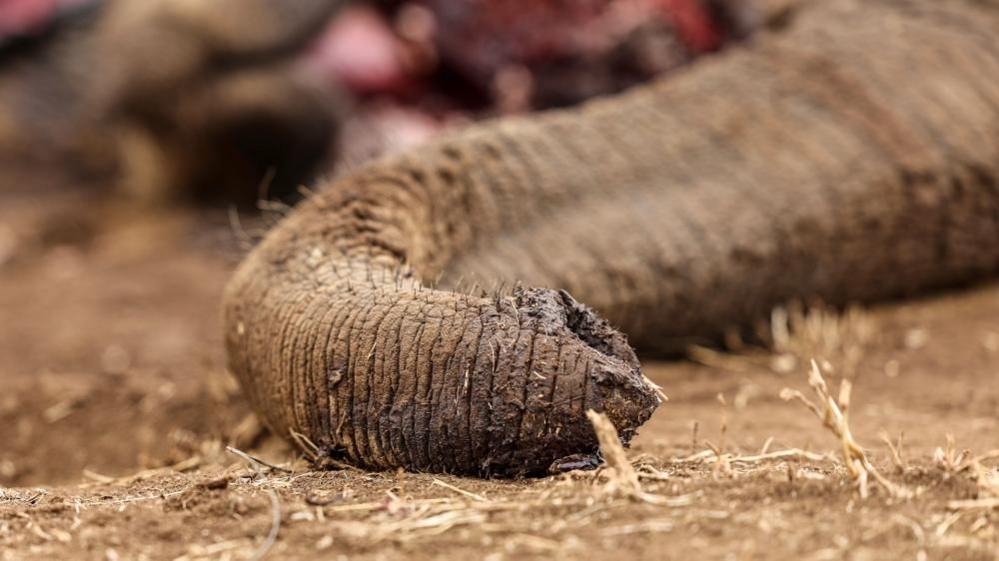
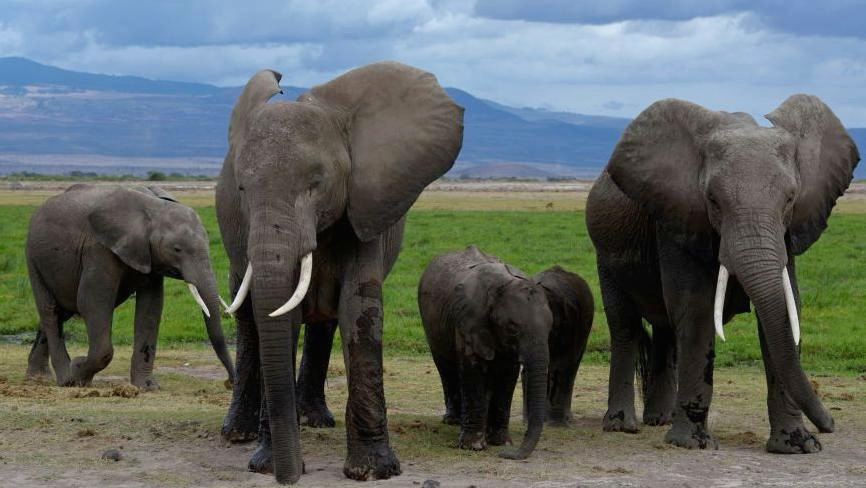
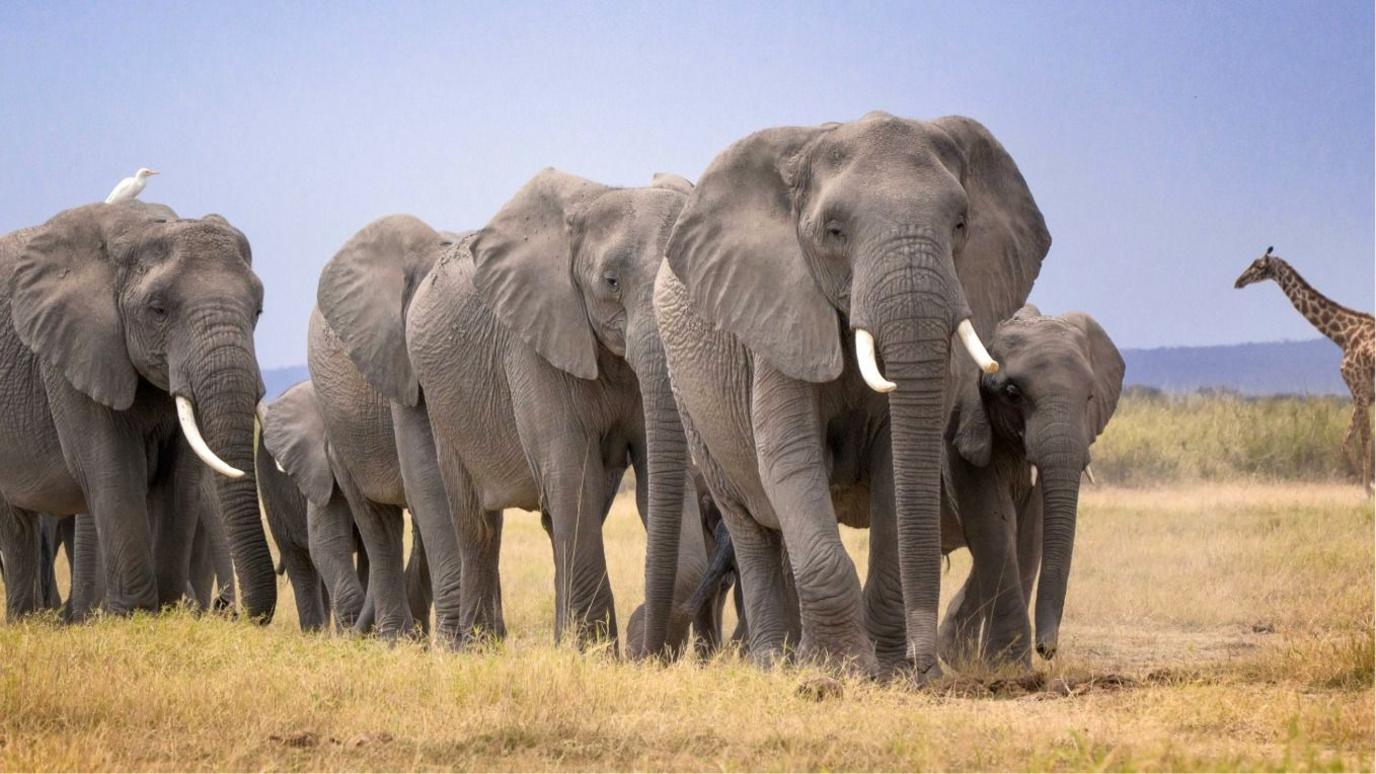
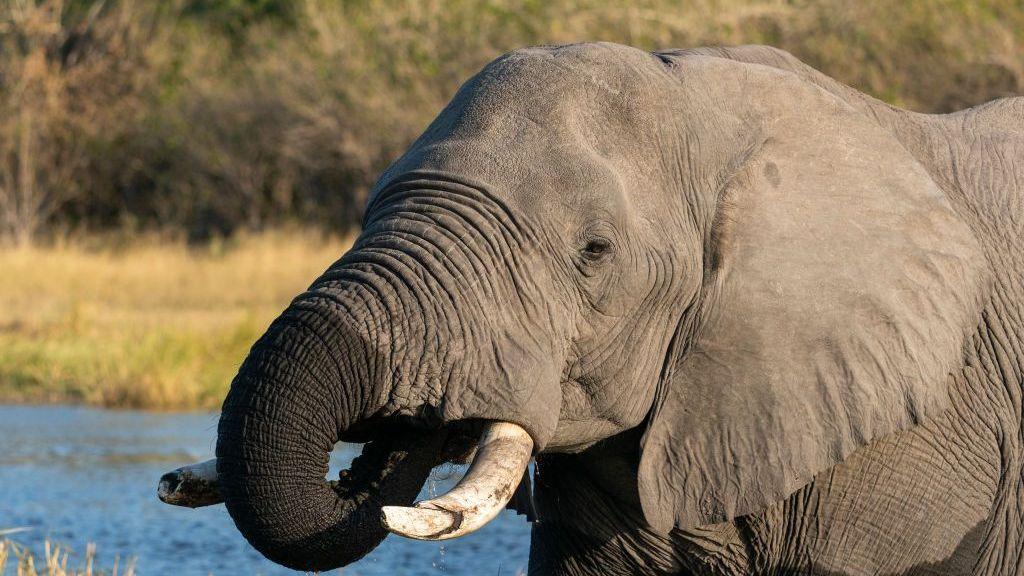
The southern African nation that hosts the world’s largest elephant population has drawn international outrage after a government licence permitted the killing of 23 elephants to supply game meat for its 60th‑anniversary celebrations.
According to the licence, issued by Botswana’s Ministry of Environment and Tourism, the slaughter was intended for “complimentary purposes” during the nationwide festivities. Activists and members of the Elephant Protection Society warn the move could erode public trust in conservation programmes and set a precedent that encourages poaching when the state allows it.

The government has defended the decision by citing the role of regulated hunting in controlling elephant numbers, reducing crop damage and generating revenue for local communities. Supporters point out that Botswana’s elephant count has risen to over 130,000, and that the species often conflict with human settlements. Opponents argue that the harvest is unsustainable and that other measures, such as better fencing and community education, should be prioritised.
The call to distribute the carcasses has also raised public‑health concerns, especially amid a foot‑and‑mouth disease outbreak that has prompted authorities to tighten animal‑movement restrictions. Social media posts by residents show uneven distribution, with some families gathering raw meat from carcasses, a practice that MP Simasiku Mapulanga criticized as potentially unsafe and unfair.
Politically, the decision arrives after Botswana lifted a 2014 ban on trophy hunting under former President Ian Khama, only to re‑introduce regulated hunting soon after President Mokgweetsi Masisi’s 2019 election win. The current administration, which has been in power since 2024, continues the policy, claiming that proceeds support conservation projects and mitigate human‑elephant conflict.
With the international community increasingly focusing on wildlife protection, Botswana’s recent move may influence future policy debates and the perception of the country’s commitment to preserving its iconic giants. As the nation celebrates its independence, many wonder whether the price of a feast has been paid on the backs of its most celebrated animals.