In brief
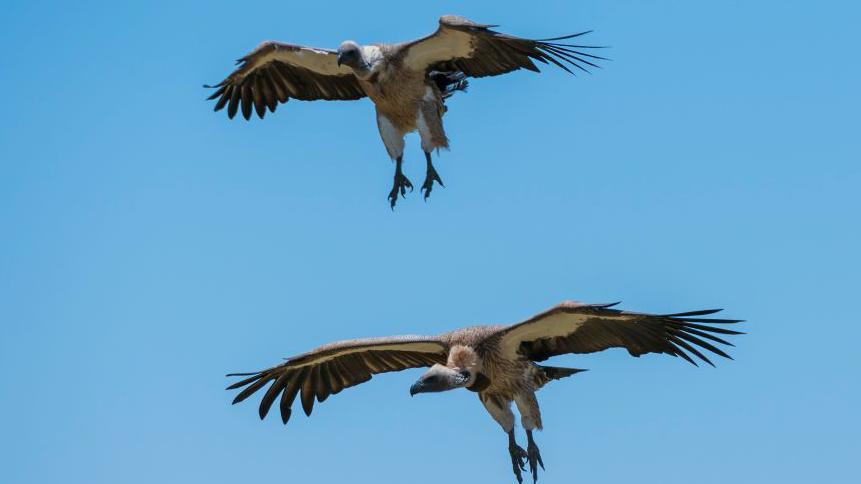
Vultures in Nigeria are disappearing due to hunting, poisoning and illegal trade, but a local activist known as the Vulture King is leading a community effort to reverse the trend. Igwe mobilises locals, enforces bylaws and educates visitors, turning traditional rituals into a conservation tool. Conservationists warn that without vultures ecosystems spread disease, yet in Awka‑Etiti, community‐led protection has restored numbers and rekindled hope. Nigeria’s customs service is tightening enforcement, but public education remains key to long‑term success.
Across West Africa, vultures are vanishing at an alarming rate, a loss that threatens ecosystems and human health. Hunting driven by traditional beliefs, poisoning and a booming illegal trade are driving the decline.
In the small town of Awka‑Etiti, south‑eastern Nigeria, a community activist known as the Vulture King—Chukwuemeka Igwe—is turning the tide. He has collaborated with the Nigeria Conservation Foundation (NCF) for six years, mobilising villagers, local leaders and security teams to protect the birds.
'When a sacrifice is made and a vulture appears, the deity has accepted the offering,' Igwe explains. The birds are seen as good omens, a belief that the community now uses to discourage hunting.
The town’s sacred forest, centered around a long‑standing oak and a shrine dedicated to the deity Nguma, provides a natural safe haven for the vultures. Local bylaws now formalise protection, and community vigilance has reduced outsider incursions.
Observational data from Igwe’s team show the number of vultures in the area rising from roughly 20 in 2017 to over 160 today, a striking recovery that demonstrates the power of grassroots action.
Conservation biologists warn that the loss of vultures increases zoonotic disease risks, as the birds’ digestive acids destroy pathogens that could affect humans and livestock.
Two major threats remain:
- Poisoning: estimates suggest 60% of deaths in Africa are due to toxin exposure.
- Illegal trade: Vulture products fetch dangerously high prices, encouraging targeted killings of eggs, nests and adult birds.
Nigeria’s customs officers have seized large numbers of protected wildlife and support prosecutions under the Convention on International Trade in Endangered Species (CITES). Yet enforcement alone is insufficient; comprehensive education programmes are essential.
For Igwe, each returning bird is a symbol of hope, but the crisis continues across Africa, demanding broader community engagement and stronger legal safeguards.
Explore more stories on africa wildlife conservation