In brief
Fifteen elephants were found dead around the Amboseli National Park, the Kenya Wildlife Service says the carcasses tested positive for cyanide, pointing to pesticide‑treated tomatoes as the likely cause. The deaths occurred between 24 June and 24 July 2026, with some animals exhibiting paralysis before succumbing. Wildlife experts ruled out foul play and stressed that the toxins pose no immediate risk to humans. The incident highlights mounting tensions between expanding agriculture and wildlife conservation in the Amboseli ecosystem. With over 2,000 elephants in the area, officials are calling for stricter regulation of farm chemicals and better coordination between farmers and park authorities.
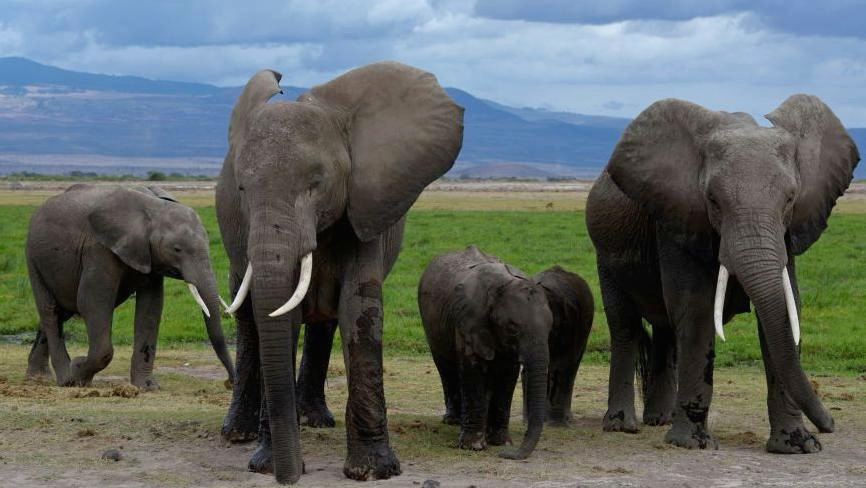
A shocking number of elephants around Amboseli National Park have died, with preliminary lab tests indicating cyanide poisoning from tomatoes sprayed with harmful pesticides on nearby farms.
The Kenya Wildlife Service (KWS) confirmed that 15 carcasses, uncovered between 24 June and 24 July 2026, contained toxic residues. Ten elephants were first seen paralyzed and then died within two days; five were already dead when discovered.
Investigators have ruled out deliberate foul play and have assured the public that the toxins present in the carcasses pose no immediate danger to humans. Yet the tragedy raises alarms over the expansion of agriculture close to wildlife habitats.
Amboseli, one of Africa’s most celebrated ecosystems, hosts more than 2,000 elephants and is a critical conservation zone. The KWS stated this is the first widescale mortalities in the area in decades, despite cracking down on poaching.
Officials point out the deaths involve elephants of varied ages and sexes, further underscoring the broad impact of the incident. The Amboseli Trust for Elephants reports that the region’s elephants remain under close monitoring as a response to the crisis.
The incident serves as a stark reminder of the delicate balance between sustainable farming and wildlife protection, urging coordinated actions to prevent future tragedies.