In brief
As federal immigration officers increase their presence in Minnesota schools, many immigrant families face tough decisions about sending their children to school. A report highlights how rising absenteeism and fears of detention shape the educational experiences of students like Giancarlo, a ten-year-old boy who tries to find joy in school despite these challenges. Schools are mobilizing to support students, but the specter of immigration enforcement looms large, creating a profound impact on the community's trust and access to education.
MINNEAPOLIS (AP) — In some ways, 10-year-old Giancarlo is one of the lucky ones. He still goes to school.
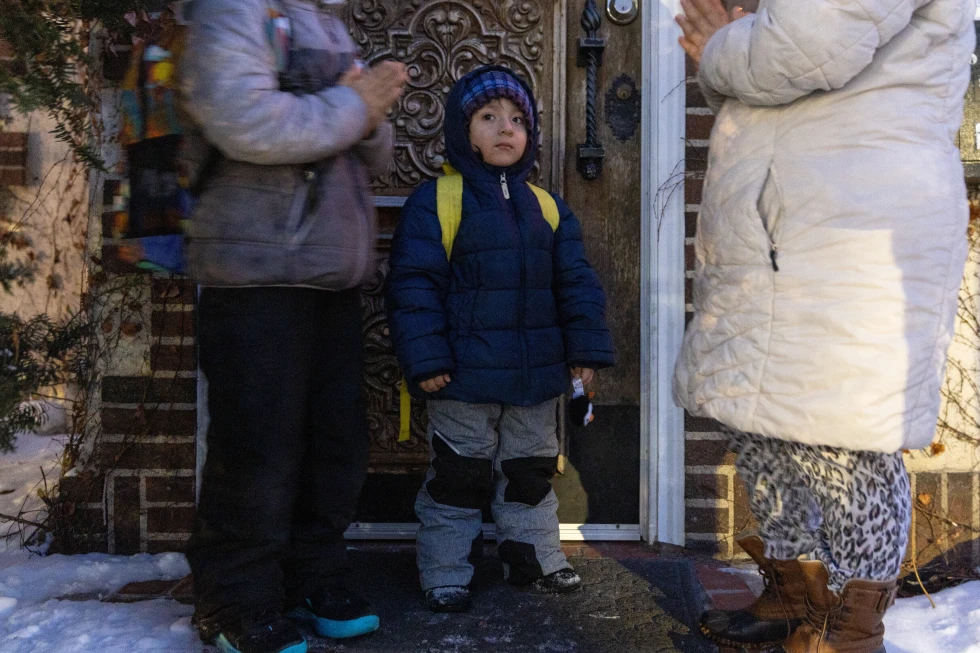
Each morning, he and his family bundle up and leave their Minneapolis apartment to wait for his bus. His little brother hefts on his backpack, even though he stopped going to daycare weeks ago because their mother is too afraid to take him.
As they wait behind a wrought-iron fence, Giancarlo’s mother pulls the boys into the shadow of a tree to pray. It’s the only time she stops scanning the street for immigration agents.
“God, please protect my son when he’s not at home,” she whispers in Spanish. Speaking with a reporter, she requested anonymity due to fears surrounding her family's undocumented status.
For many immigrant families in Minnesota, sending a child to school now requires faith that federal immigration officers won’t detain them. Thousands of children are staying home, either because of a lack of transportation or due to mistrust of the current political climate.
The fear has turned into reality. Many parents and children have faced detentions, including 5-year-old Liam Conejo Ramos, who was taken into custody after being intercepted with his father in Columbia Heights. Although he and his father were eventually released, their experiences exemplify the intimidating climate faced by many.
Schools and community groups mobilized to ensure that students safely attend classes allows them to learn and socialize while providing steady access to meals. For those who still send their children, the journey to and from school is one of the only risks they are willing to take.
Giancarlo’s school remains a ray of hope for him among the chaos. He enjoys soccer during recess and dreams of learning the flute next school year. Without his mother’s income as an asylum-seeker from Latin America, Giancarlo shares his school meals with his family, as poverty and confinement weigh heavy in their lives.
Yet, absenteeism is a growing concern, with districts reporting significant drops in attendance due to the anxiety surrounding ICE presence in educational spaces. Reports indicate nearly 9,000 students were absent on a single day in St. Paul, with online learning options growing in demand as fears escalate.
Supporting Students in Difficult Times
To combat these challenges, schools are roundly supporting students, organizing escorts home after class, especially for those living nearby. During a recent walk home, teachers and staff members discussed strategies to keep students safe while ensuring they feel supported and cared for.
The ice presence and rumors in neighborhoods create constant concerns among educators and students alike, highlighting the balancing act between safety and the need for education access.
Ultimately, as long as educational institutions strive for inclusivity and support, families like Giancarlo's can find ways to maintain hope in an uncertain world, fostering resilience and determination.