In brief
After eight years of negotiations, Australia and the EU have signed a free trade agreement valued at approximately A$10 billion. This deal, aimed at strengthening economic ties and cooperation on critical minerals and defense, will also remove tariffs on most agricultural products and address export quotas, although it has faced pushback from farmers in both regions. The agreement is seen as a step towards diversification of trade partnerships in response to global uncertainties.
Australia and the European Union have agreed to a sweeping free trade deal after eight years of negotiations, marking a significant step in economic cooperation as both regions confront global uncertainties.
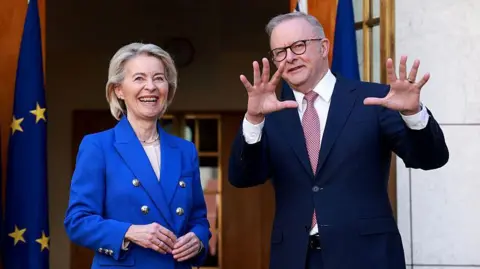
The agreement, signed in Canberra, is valued at around A$10 billion (equivalent to $7 billion USD or £5.2 billion) and was hailed as a win-win by Australian Prime Minister Anthony Albanese and European Commission President Ursula von der Leyen. This free trade deal aims to bolster collective resilience in a fast-changing world.
Key components of the deal include the removal of tariffs on nearly all trade, increased cooperation in defense, and collaboration on essential minerals such as lithium and tungsten. The agreement is expected to provide Australian agricultural exporters with significant advantages in the EU market, reducing costs for local consumers on European goods, including wine and other products.
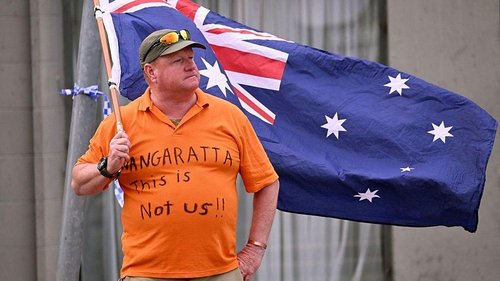
However, the deal's impact on the agriculture sector has been met with mixed reactions. While European carmakers have welcomed the agreement, farmers in both the EU and Australia expressed dissatisfaction with the agreed-upon export quotas for Australian beef and lamb. The volume of Australian beef allowed in the EU is set to increase tenfold over the next decade, although Australian farmers had hoped for more substantial increase.
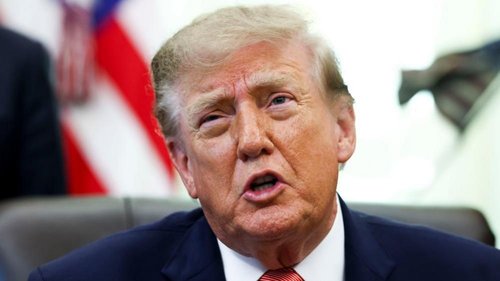
The trade accord also signifies the EU's ongoing efforts to diversify its global trading relationships in response to geopolitical dynamics, including the unpredictability of the U.S. under President Trump.
Overall, this agreement reflects the deepening ties between Australia and the EU, demonstrating a mutual commitment to fostering a long-term and resilient partnership.