Australia’s online‑safety regulator has found ‘significant gaps’ in child protection on the world’s biggest gaming platforms.
The new eSafety Commission report revealed uneven approaches to safeguarding children on Steam, Roblox, Fortnite and Minecraft, after research showed nine out of ten Australian teens aged 8‑17 play online games.
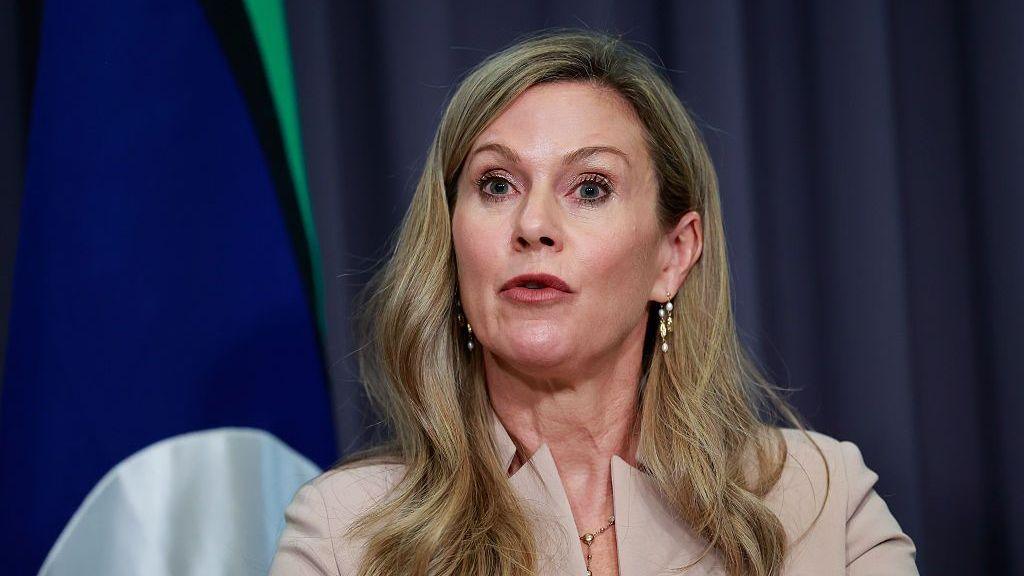
Commissioner Julie Inman‑Grant warned that weak safety measures let “predatory adults” contact kids before grooming them for sexual exploitation or radicalisation.
Valve – the U.S. company that owns Steam – was the only platform that did not use A.I. tools to detect and remove known harmful content. The report added that Valve’s systems mainly flag scams and do not proactively hunt child‑sexual‑exploitation or violent material in chats.
Roblox and Valve were also criticised for training language‑detection models only on internal data and for failing to retrain them regularly.
Game makers like Minecraft’s developer Mojang and Roblox have shared expertise on fighting child sexual exploitation, but Valve and Epic Games (Fortnite) were not as forthcoming with information.
FCC also highlighted that Minecraft and Fortnite allow users to self‑declare their age, letting those who lie about being adults access higher‑risk chats. Steam has introduced optional credit‑card age checks, and Roblox boosted age verification last December.
Overall, the report criticised inconsistent information sharing about breaches across the industry, noting that Fortnite’s Epic Games did not forward incident data to a global child‑abuse response program.
The findings come as Australia has been at the forefront of online‑safety law, banning under‑16s from mainstream social media and pushing tech giants to offer opt‑out mechanisms for algorithmic feeds.
Valve, Epic Games, Roblox and Microsoft have all been contacted for comment.