In brief
The Australian Recording Industry Association has introduced new rules that exclude songs largely created by artificial intelligence from its official charts. Artists must prove that they wrote and performed the lead vocals and main instruments themselves, though AI can still be used for mastering or auxiliary tasks. The decision was prompted by the AI‑generated cover of Madonna’s "Like a Prayer" that surged to number two, and follows similar bans in Sweden. ARIA officials say the change protects the human element of creativity and counters chart manipulation, while artists can still challenge exclusions.
Australia’s music charts have taken a decisive step against AI‑generated music. The Australian Recording Industry Association (ARIA) announced that from this week any release that is largely or wholly created by artificial intelligence will be barred from chart eligibility. The new rule says the entry must be "substantially human made" to count.
This move follows the controversy over Australian DJ Josh Fawaz’s remix of Madonna’s classic "Like a Prayer," which topped the ARIA dance singles chart and peaked at number two on the all‑genre chart. The track amassed more than 48 million streams on Spotify. After backlash, Fawaz added generative‑AI credits to the track, but the incident highlighted how AI‑created songs can dominate charts.
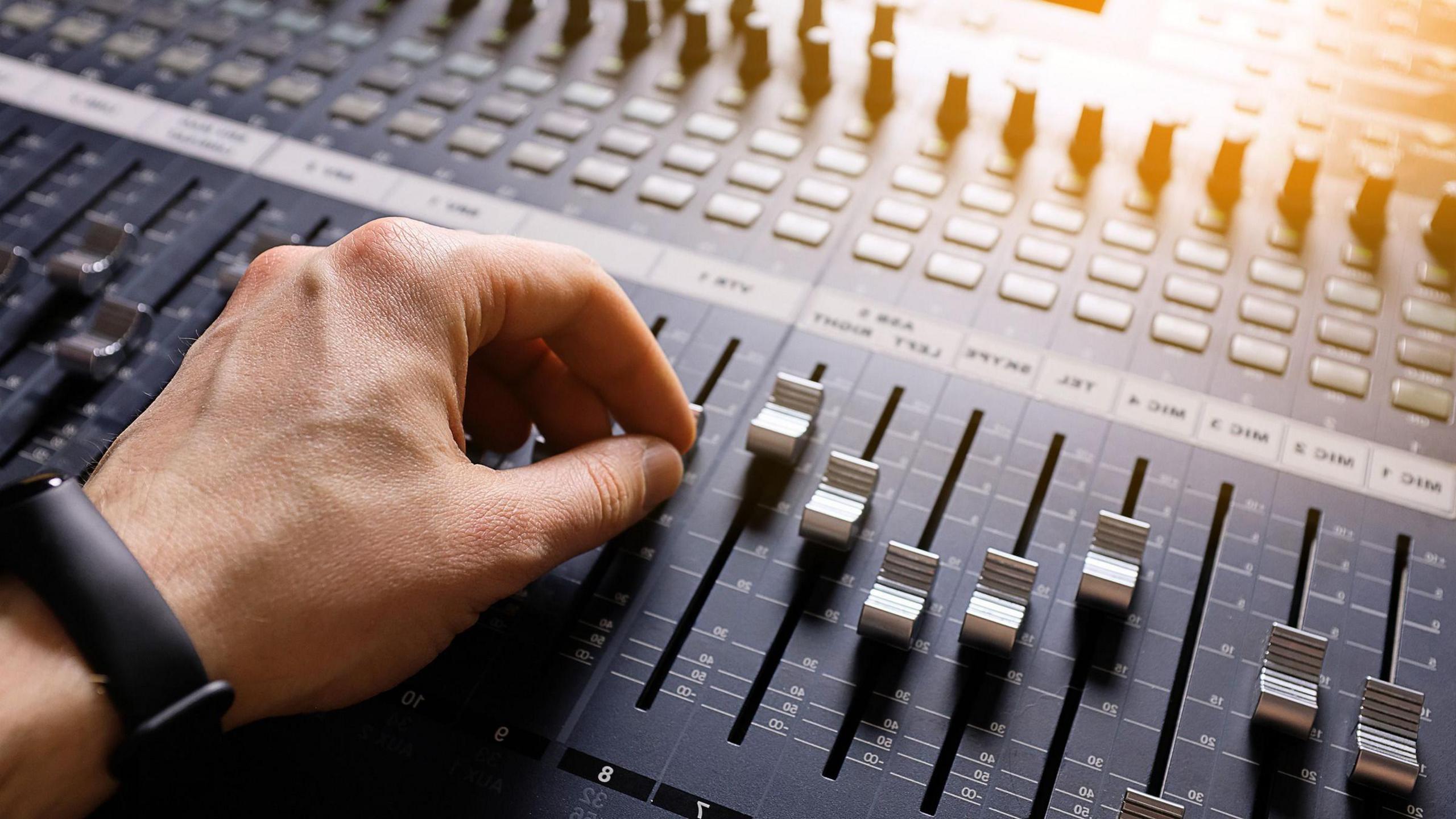
Under the new guidelines, artists can still use AI tools—such as mastering assistants, drum‑machine programming or auto‑tune—but the core composition, lead vocal performance, and primary instruments must be human‑performed. The band for this protocol is that the creative heart of the piece remains human.
ARIA’s chief executive, Annabelle Herd, said: "These changes reflect our intent to remain dynamic and promote the human nature of artistry in what is, to say the least, a rapidly developing space." She added that the charts must not reward unlicensed AI output, warning that it would undercut the very foundation of the recorded music industry.
Artists will need to declare AI use when submitting a track for chart consideration. If a track is later found to be largely AI‑generated, ARIA reserves the right to adjust chart positions retroactively or ask winners of a Number One spot to return awards.
Some Australian artists back the move, including electro‑dance duo Peking Duk, who shared an AI‑assisted version of their 2014 hit on Instagram saying, "When you re‑record your own song with AI so Australian radio will play it." Co‑founder Adam Hyde criticised AI for stripping the human experience from music.
Internationally, Sweden already banned an AI‑created song from its charts, and the International Federation of the Phonographic Industry announced AI guidelines for Latin America, the Middle East, Africa, and Southeast Asia. The new code also excludes music that raises concerns over streaming or chart manipulation.
In July last year, Australian Prime Minister Anthony Albanese pledged "the strongest possible protection" for creatives. He promised that writers and musicians would keep control over how their work is used to train AI, describing improper use as theft if they are not paid. The update aims to safeguard artists’ rights while allowing them to leverage emerging technologies responsibly.