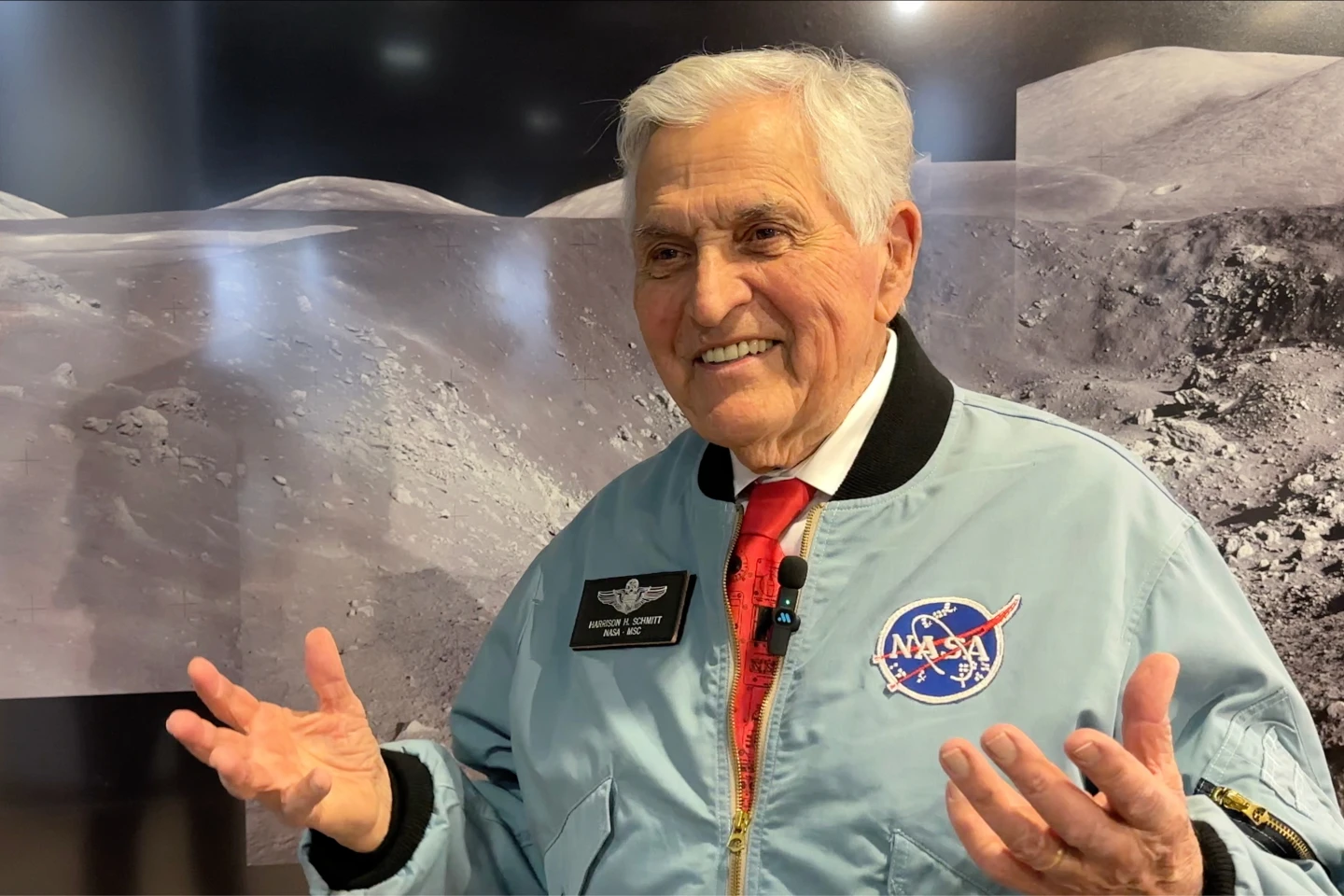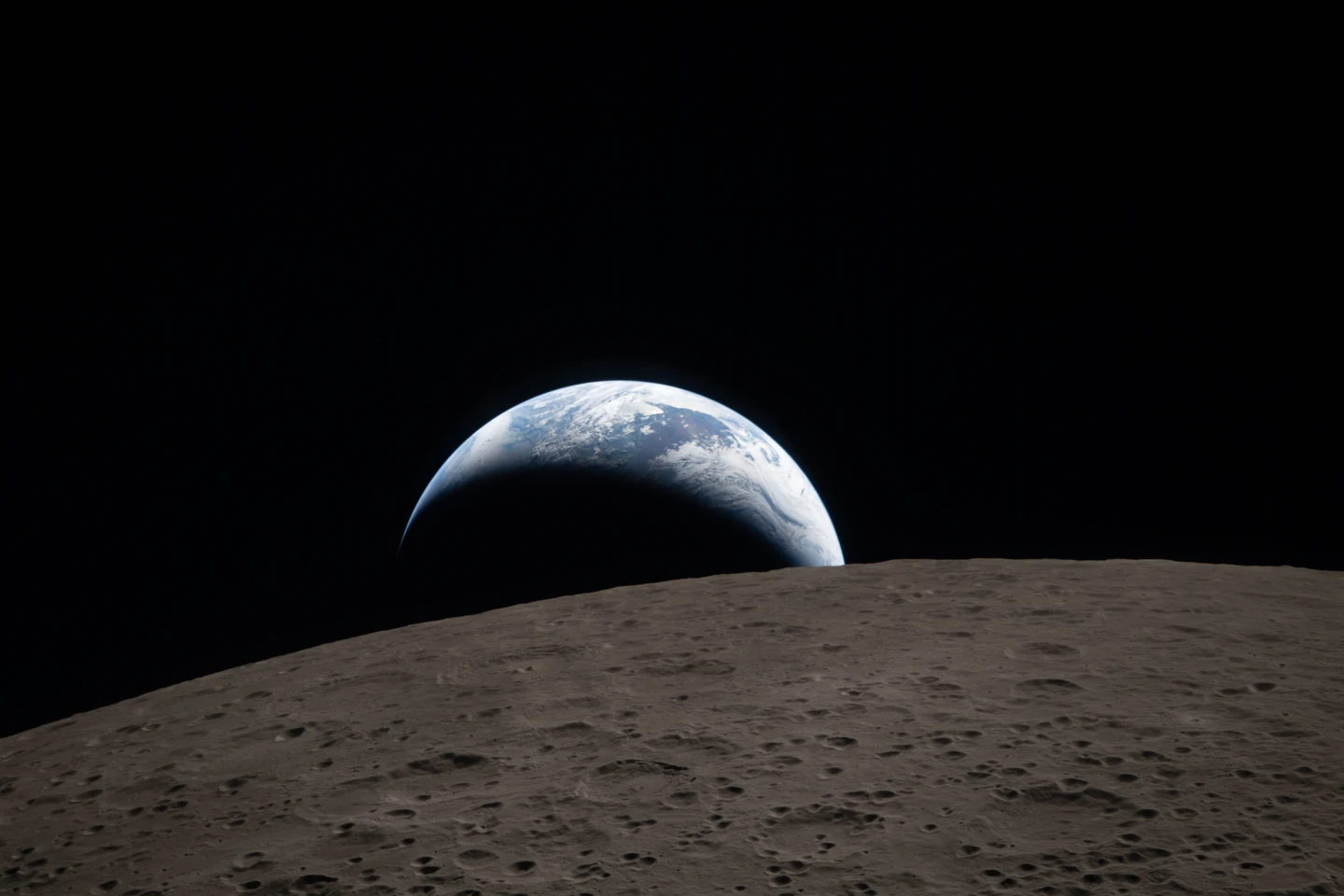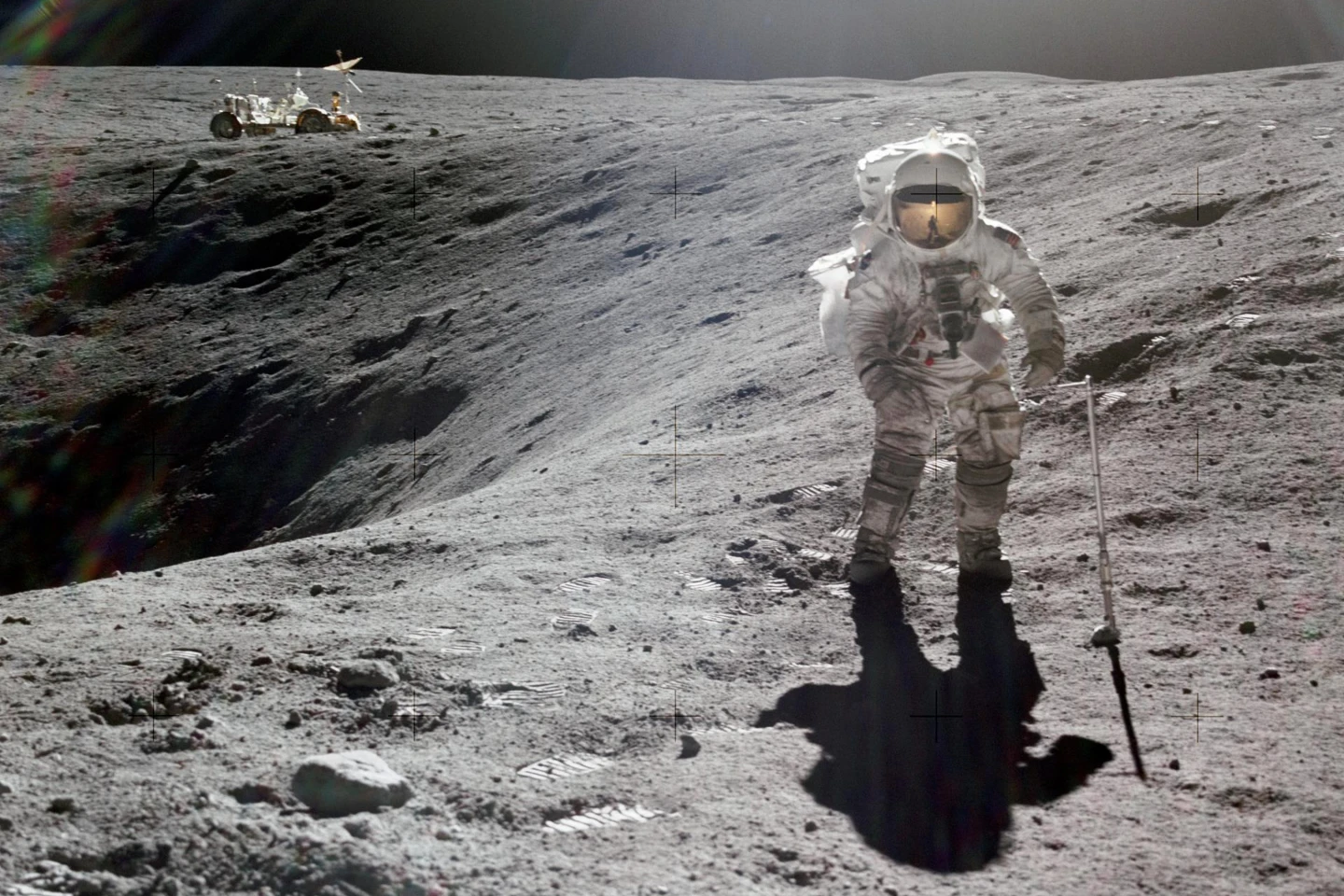
CAPE CANAVERAL, Fla. (AP) — The veterans of NASA's Apollo program, who tirelessly worked to put man on the moon, are filled with mixed emotions as they see NASA gearing up to return to the lunar surface through the Artemis missions. They express both excitement for this new age of exploration and a sense of lost opportunity, wishing the Artemis missions could have commenced while many of their colleagues were still alive. As they age, these heroes of the past yearn for renewed enthusiasm for lunar exploration among the public.
The upcoming Artemis II mission, scheduled for an April 1 launch, will carry four astronauts on a lunar flyby, but few Apollo veterans live nearby to witness this historic moment—most will watch the launch from their homes. 'There was an energy. There was a passion that probably is not exactly the same today,' reflects Charlie Mars, 90, who contributed to the command and lunar modules of the Apollo missions.
Meanwhile, frustrations linger among these pioneers over earlier cancellations of Apollo missions and the pacing of the Artemis program. JoAnn Morgan, an Apollo launch control officer, still feels cheated from the cancellation of the last three Apollo moon landings back in the early 1970s. 'I'm just trying to stay alive so I can see us actually get back and step foot on the moon,' Morgan stated poignantly, reminiscent of the missed opportunities from decades ago.
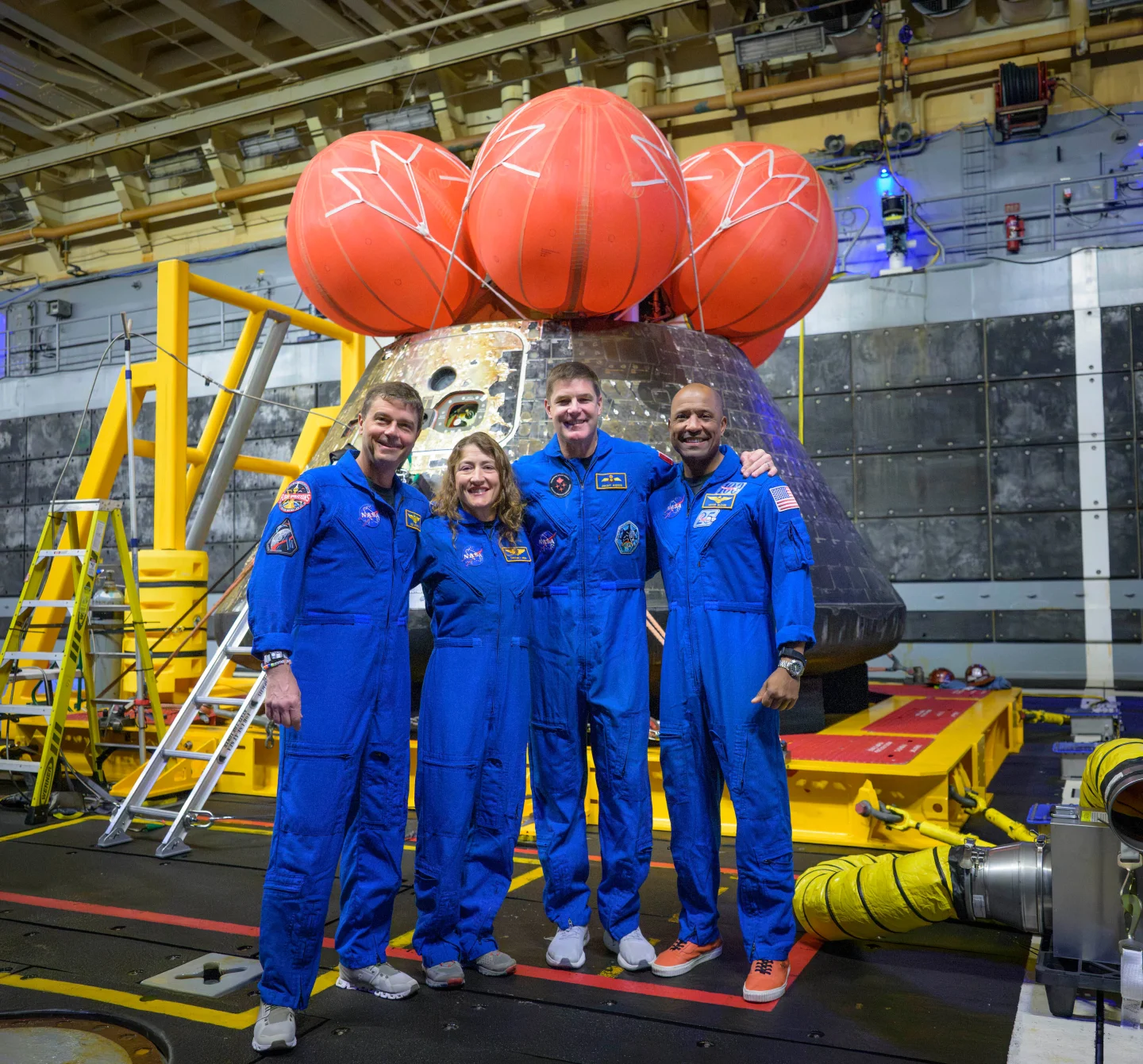
However, changes in leadership and groundbreaking roles for women in NASA give Apollo veterans hope. The Artemis II launch director, Charlie Blackwell-Thompson, leads a crew that includes record-setting astronaut Christina Koch.
With an eye on reaching the moon before China, NASA's current strategy under new administration aims to replicate Apollo's success and speed. plans for a lunar base and advanced missions are in the works, with projections of several launches within the next few years aiming toward 2028 for a successful manned moon landing.
The anticipation builds not only for Apollo's veterans but for a new generation eagerly awaiting a return to the moon. John Tribe, the 90-year-old former propulsion manager of Apollo, notes that the current goals of the Artemis program offer a more sensible approach, reassuring some veterans that the legacy of their work will continue as a new chapter in space exploration unfolds.
The upcoming Artemis II mission, scheduled for an April 1 launch, will carry four astronauts on a lunar flyby, but few Apollo veterans live nearby to witness this historic moment—most will watch the launch from their homes. 'There was an energy. There was a passion that probably is not exactly the same today,' reflects Charlie Mars, 90, who contributed to the command and lunar modules of the Apollo missions.
Meanwhile, frustrations linger among these pioneers over earlier cancellations of Apollo missions and the pacing of the Artemis program. JoAnn Morgan, an Apollo launch control officer, still feels cheated from the cancellation of the last three Apollo moon landings back in the early 1970s. 'I'm just trying to stay alive so I can see us actually get back and step foot on the moon,' Morgan stated poignantly, reminiscent of the missed opportunities from decades ago.
However, changes in leadership and groundbreaking roles for women in NASA give Apollo veterans hope. The Artemis II launch director, Charlie Blackwell-Thompson, leads a crew that includes record-setting astronaut Christina Koch.
With an eye on reaching the moon before China, NASA's current strategy under new administration aims to replicate Apollo's success and speed. plans for a lunar base and advanced missions are in the works, with projections of several launches within the next few years aiming toward 2028 for a successful manned moon landing.
The anticipation builds not only for Apollo's veterans but for a new generation eagerly awaiting a return to the moon. John Tribe, the 90-year-old former propulsion manager of Apollo, notes that the current goals of the Artemis program offer a more sensible approach, reassuring some veterans that the legacy of their work will continue as a new chapter in space exploration unfolds.