In brief
Alberta’s precalculation referendum saw a clear majority of 66% voting to remain part of Canada, delivering a crushing blow to the separatist campaign. The result was celebrated by Prime Minister Mark Carney, who praised Albertans for choosing unity. Separatist leaders, led by Mitch Sylvestre, expressed disappointment but stated the fight is not over, urging continued mobilisation. The vote reflects deep‑rooted western alienation over federal policies on oil, climate and Covid‑19 mandates, and raises questions about Alberta’s future autonomy. While unity was upheld, the debate underscores the province’s ongoing tension with Ottawa and the possibility of future referenda on autonomy questions.
Alberta voters decisively chose to stay in Canada in a landmark referendum, rejecting the separatist movement with a clear majority of over 66%.
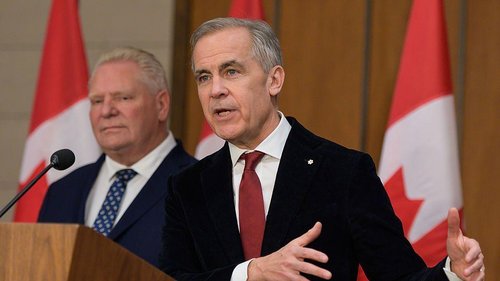
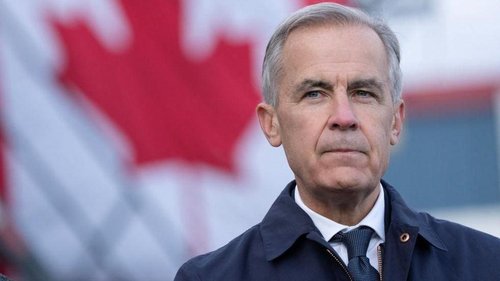
The announcement came early Monday, with preliminary counts showing a decisive defeat for the push to break away from Ottawa. Prime Minister Mark Carney immediately praised Albertans for their “clear choice,” describing the outcome as a reaffirmation of Canadian unity.
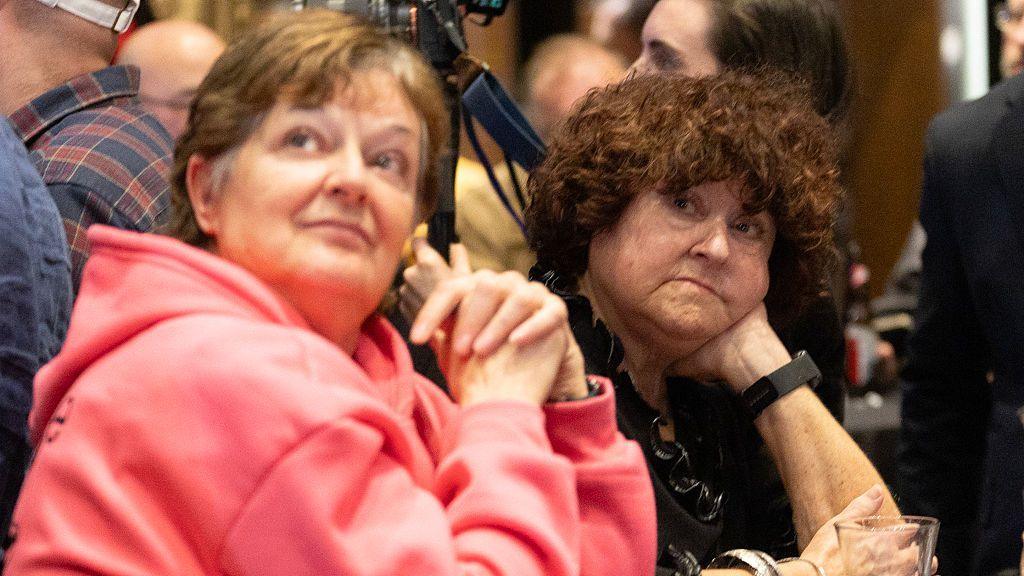
Separatist leaders respond. The campaign’s top voice, Mitch Sylvestre, summed up his reaction in one sentence: Not happy. “This is a setback, but the rest of the movement is not finished,” he said later, echoing the sentiments of spokesperson Jeffrey Rath, who vowed to “roll up our sleeves and work harder.”
Williams‑County activist Keith Wilson told supporters in Calgary that while the vote was over, the conversation about Alberta’s place in Canada would continue: “The future of our province is still a question we must answer together.”
The rejection was not simply a political blow—it reflected deeper grievances. Albertans have long felt that the federal government undercuts the province’s oil and gas industry, especially through environmental rules and pandemic‑era mandates. The separatist narrative spun these policies as blatant overreach, while many on the unity side viewed the vote as a defence against a draconian federal agenda.
In the wake of the result, Premier Stone, who lowered the petition threshold for the referendum, faces scrutiny from her United Conservative Party colleagues. She remains unconcerned that “no second binding independence referendum will be held as long as I am premier,” though the debate over Alberta’s autonomy questions will likely endure.
The referendum also coincided with a series of nine other questions that sought greater provincial autonomy, including over immigration. While preliminary results were mixed, the majority of voters appeared to favour retaining unity and opposing a path that might undermine the province’s economic interests.
Many observers point to Quebec’s experience as a cautionary tale. Quebec’s sovereignty movements have achieved only moderate autonomy, and a newly elected government has vowed a third referendum by 2030. While Alberta’s separatists are currently dispersed, the political culture of regional autonomy and “western alienation” remains strong, suggesting that future debates could still arise—though perhaps with a different focus on negotiating powers rather than outright independence.