In brief
In a surprise win for Canadian unity, Alberta voters rejected separatism with over 66% turnout for the province to stay in Canada. Prime Minister Mark Carney seized the momentum to declare Canada as a nation to defend and to threaten the United States with “no turnabout.” Carney’s plan to build a trans‑Alberta Pacific pipeline aims to cut dependence on US markets, while showing Alberta’s oil wealth a path to Asian buyers. Trump’s Kansas rally, where he joked about keeping ice hockey, met a steady rebuttal from Carney, who pledges a tougher stance and an association deal with the EU to keep Canada resilient.
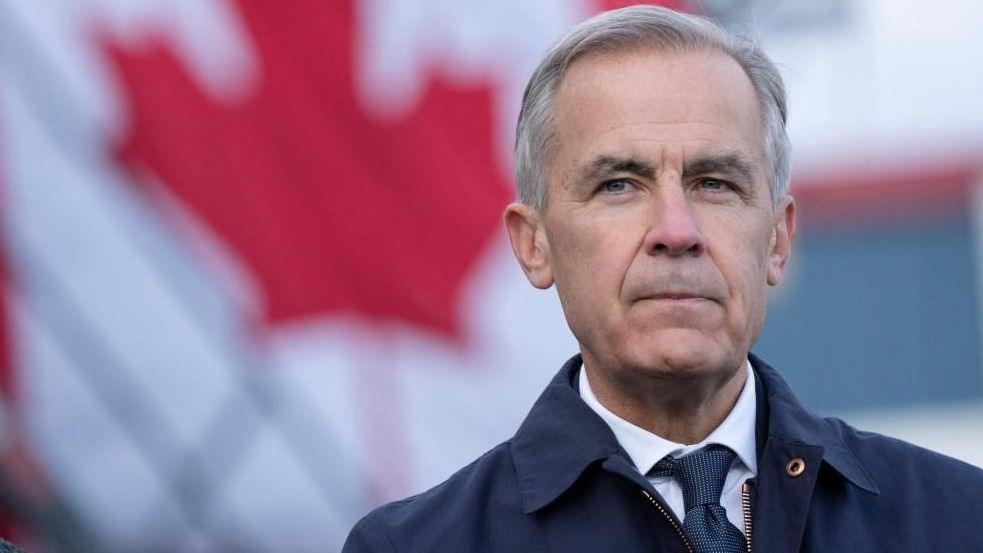
The sunset over Calgary faded behind the red‑and‑white banners of a “Forever Canadian” rally as Prime Minister Mark Carney cried out, "Vote like Canada depends on it." Nearly two‑thirds of Albertans elected to stay in the federation – a result that sent ripples through Ottawa.
Carney, hailing his Alberta roots, now wields the province’s decision as a passport to a hard‑nosed stance against President Donald Trump’s recent show‑boating in Kansas, where Trump promised to keep Canada’s hockey and national anthem while secretly threatening a de‑union of the nation.
In a nationally streamed speech, Carney warned that the "outside forces" working to create division should not be underestimated, turning the spotlight on the U.S. once again. His declaration that "This vote will send a very strong message to the rest of the world" underlined his resolve.
A key element of Carney’s survival strategy is momentum in energy. He promotes the construction of a new pipeline from Alberta to the Pacific, a project that would give the province a direct market to Asia and reduce Canada’s dependence on the U.S. Economy‑wide, the plan is already receiving praise from foreign investors who see potential for "predictable regulations" and tangible returns.
While the separatists worldwide had fizzled, Carney’s diplomatic reach extends far beyond the western border. He is currently negotiating an unprecedented Canada‑EU association deal, an effort that could diversify trade and help Canada ride out the current U.S.‑dominated trade war.
In the weeks ahead, the focus will turn to the results of the remaining nine referendum questions on provincial powers, immigration costs, and possible constitutional changes. Whatever the outcome, Carney’s brand of real‑world pragmatism sits at the center of discussions across Canada, as immigration officials weigh the gains from the new pillar of the federal‑Alberta relationship.
As Canadians wave the maple leaf with renewed vigor, the question remains: will Carney’s strategy withstand the changing international landscape after Trump? For now, the unity of Alberta signals confidence in Canada’s collective resilience, a confidence that many hope will sustain the nation through the inevitable storms ahead.