Alan Greenspan, 100‑Year‑Old Economist, Dies
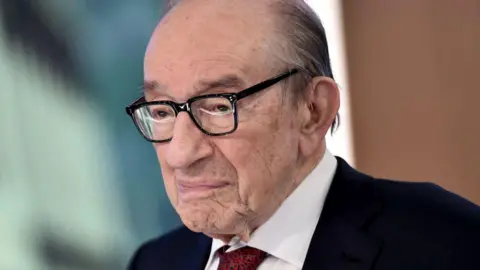
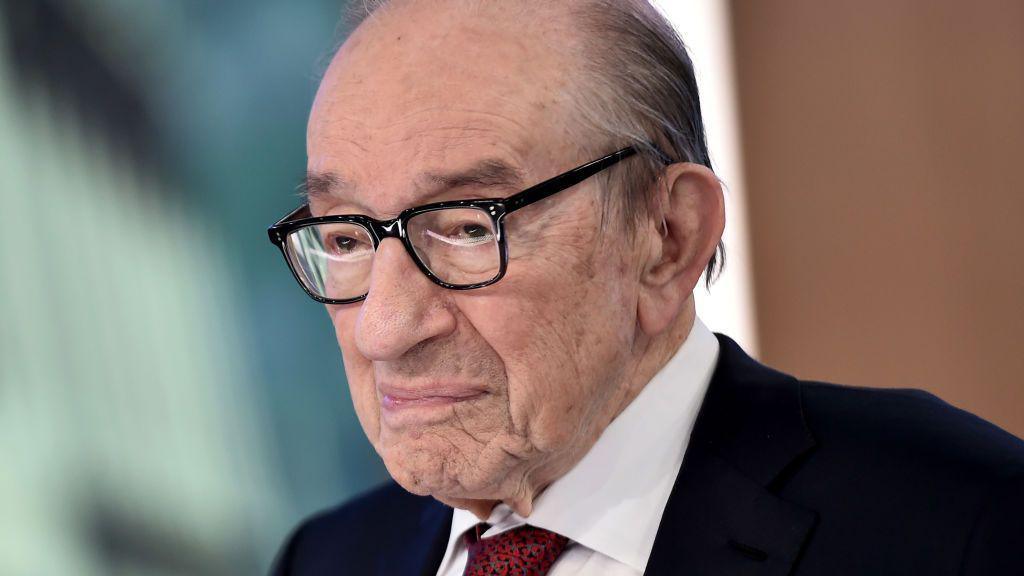
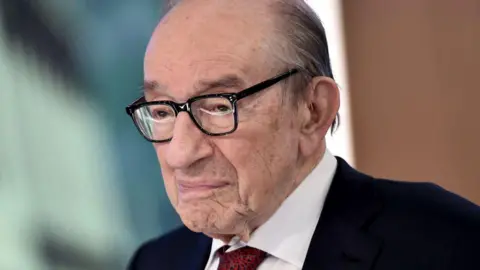
Former chairman of the U.S. Federal Reserve died yesterday at 100. The former New York University economist was credited with overseeing one of the longest periods of growth in U.S. history, from the late 1980s to the early 2000s. Greenspan led the central bank for 19 years and was noted for his calm, almost philosopher‑like presence that earned him the nickname “God in the machine.”
His tenure saw the United States weather a series of financial crises. In 1987 he helped steer the market through the Black Thursday crash; in the early 1990s he advocated lowering rates to defuse the Gulf War‑era dip; and amid the dot‑com boom he applied low‑rate policy that critics now say fostered the March 2000 collapse. After the 9/11 attacks, he cut rates to support the economy, a move later linked to the housing bubble that would explode into the 2008 financial crisis. In a 2008 testimony he admitted he had over‑trusted free‑market self‑regulation and had underestimated risks.
Goldstein’s legacy extends beyond rent‑control policy, though. He mandated rigorous analytical discipline, which helped the Federal Reserve develop credibility with the markets. His name has become a symbol of financial mastery, honoured with the Presidential Medal of Freedom and an honorary knighthood from Queen Elizabeth II. He remained a sought‑after adviser into his ninth decade, voicing warnings to President Biden over too‑fast rate hikes and critiquing the Trump administration as a "shout of pain".
At 100, Greenspan witnessed and influenced the entire rise and fall of American monetary policy in the late 20th century. He will be remembered for the extraordinary steadiness he brought to the U.S. economy, including a period in which GDP contraction occurred only once. His age and stature underscore the depth of his impact on the modern financial world, even as his name is forever linked to major market crashes that challenged the concept of a self‑regulating system.