In brief
Air travelers in the U.S. are experiencing significant disruptions as the FAA increases flight cancellation targets to 6% following over 7,900 cancellations since Friday due to a government shutdown. Staffing shortages among controllers, exacerbated by wintry weather, add further challenges. The situation is expected to worsen this week as freezing conditions may lead to additional delays.
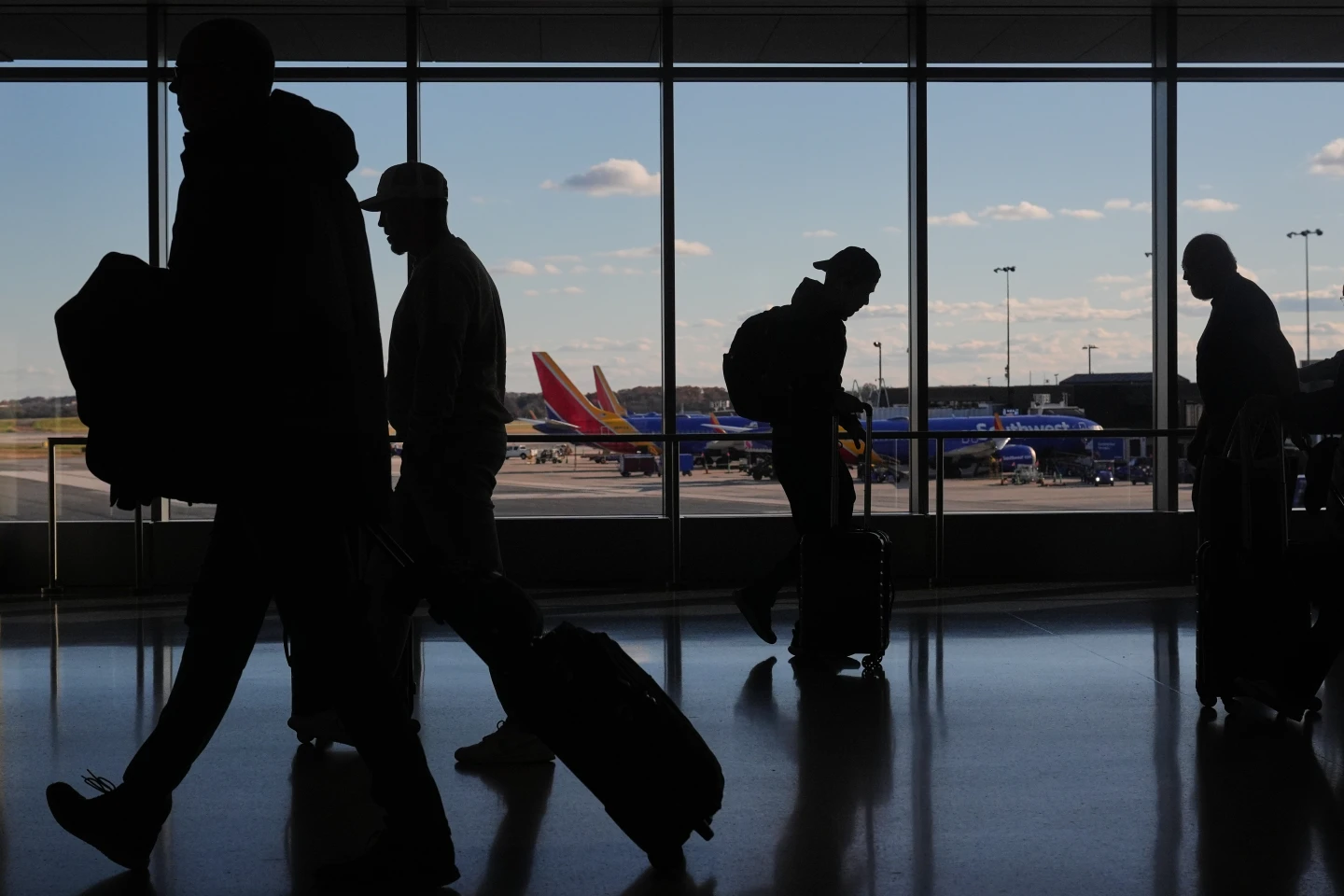
With the busy holiday travel season approaching, U.S. air travelers are being warned of possible additional flight cancellations as the Federal Aviation Administration (FAA) has ramped up its required reductions in flight schedules. Following the cancelation of over 7,900 flights since Friday, domestic airlines have been mandated to cut back 6% of their flights starting Tuesday due to ongoing staffing shortages amid the federal government shutdown.
The FAA's decision, which primarily affects 40 major airports, has been driven by safety concerns given the increasing number of absenteeism and signs of stress shown by air traffic controllers. Furthermore, the FAA has extended restrictions to exclude business jets from using certain airports already facing flight limitations.
Delays continue to plague airports, especially Chicago O'Hare, which experienced significant hold-ups, some lasting up to five hours on Monday evening. This disruption is paired with anticipated freezing weather, which is likely to compound delays and cancellations across affected regions.
As Congress navigates reopening the government—a process that remains unresolved—the repercussions on air travel persist. Transportation Secretary Sean Duffy indicated that flight cuts would remain in place until staffing stabilizes at air traffic control facilities. Advocates have criticized the FAA’s actions and called for more strict measures against private flights during this crisis.
The anxiety and disruption felt by passengers are evident, as personal stories emerge from stricken travelers, highlighting the emotional toll that such flight cancellations can cause. Circumstantial evidence suggests that the chaos in the aviation sector could last even after temporary flight cuts are lifted, as aircraft may not return to normal operational positions quickly.