In brief
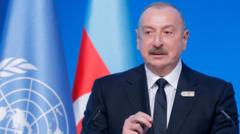
At the COP29 climate conference, Azerbaijan’s President Ilham Aliyev defended the nation’s fossil fuel resources, labeling them as a "gift of god" amidst criticism of Western media. This stands in stark contrast to UN Secretary-General António Guterres, who emphasized the urgent need for a transition to clean energy due to the impending climate crisis.
Azerbaijan's President Ilham Aliyev addressed the COP29 climate conference, sparking significant debate over the role of fossil fuels in the current global energy landscape. Aliyev claimed that oil and gas are a "gift of god" and condemned what he termed "Western fake news" regarding emission figures from his country. He maintained that nations possessing fossil fuel reserves should not face blame for their existence or for entering them into the market, as these resources are essential to meet global energy demands.Amidst Aliyev's remarks, UN Secretary-General António Guterres warned against the continued reliance on fossil fuels, expressing that such actions are "absurd" and detrimental to efforts to combat climate change. He stated that the "clean energy revolution" is unavoidable, urging nations to align with this new direction for a sustainable future.The Azerbaijan conference has raised eyebrows due to the country's historical ties to oil production, with various stakeholders expressing concerns that the summit could primarily serve to promote investments in Azerbaijan's national oil and gas industry. Aliyev defended his nation against allegations of misinformation, asserting that Azerbaijan accounts for only 0.1% of global gas emissions, thereby minimizing its perceived impact on climate change.In response, the UK Prime Minister, Sir Keir Starmer, committed to aggressive emissions reductions, aiming for an 81% decrease by 2035 and calling on other nations to set similar targets. The discussions have been overshadowed by the absence of several major world leaders and ongoing calls from developing countries for financial commitments from wealthier nations to support climate initiatives.As the conference progresses, the challenges of reconciling economic interests in fossil fuels with urgent climate action remain a focal point, reflecting broader global tensions regarding energy consumption and climate change's accelerating effects.