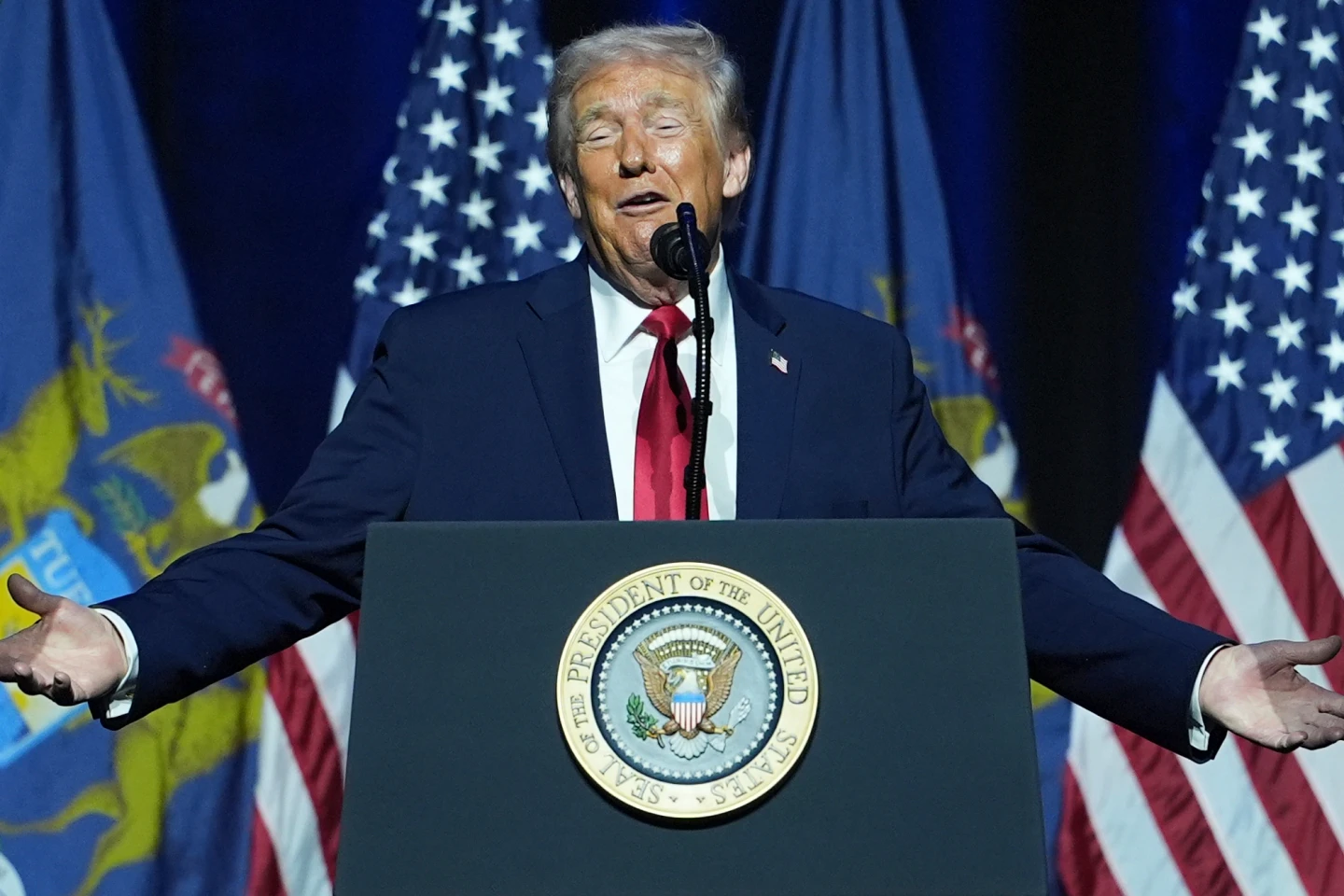
On Sunday, '60 Minutes' plans to air a story focusing on deportations executed during the Trump administration, a piece that was abruptly retracted from the show's lineup last month, prompting an internal conflict about political influences. Correspondent Sharyn Alfonsi interviewed deportees affected by the harsh conditions in El Salvador's notorious CECOT prison. The segment was initially removed following directives from CBS News' new editor-in-chief, Bari Weiss, who contended that the piece did not adequately represent the administration's perspective. Alfonsi expressed concerns to her colleagues that the decision was influenced more by political factors than by editorial judgment.
While CBS News maintained that their leadership was committed to airing the ‘60 Minutes’ CECOT segment promptly, critics argue that Weiss' previous affiliations and lack of television news experience indicate potential bias attempting to garner favor from the Trump administration. Initial leaks of the segment online from Canadian airing gloriously contrasted the substance of the original with the edited version. Alfonsi's original report indicated that administration officials had rebuffed requests for comments, further complicating the narrative.
In a statement, CBS News underscored their dedication to presenting significant stories that reflect its independence. As pressure mounts regarding administration visibility on CBS platforms, the interlocking dynamics between media and politics are exemplified against the backdrop of public interest reporting, raising questions about the integrity of journalism and political influence.
While CBS News maintained that their leadership was committed to airing the ‘60 Minutes’ CECOT segment promptly, critics argue that Weiss' previous affiliations and lack of television news experience indicate potential bias attempting to garner favor from the Trump administration. Initial leaks of the segment online from Canadian airing gloriously contrasted the substance of the original with the edited version. Alfonsi's original report indicated that administration officials had rebuffed requests for comments, further complicating the narrative.
In a statement, CBS News underscored their dedication to presenting significant stories that reflect its independence. As pressure mounts regarding administration visibility on CBS platforms, the interlocking dynamics between media and politics are exemplified against the backdrop of public interest reporting, raising questions about the integrity of journalism and political influence.