In brief
The Awami League faces a ban as part of heightened measures against political violence in Bangladesh, led by Nobel laureate Muhammad Yunus.
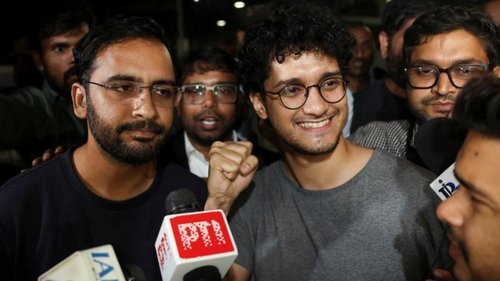
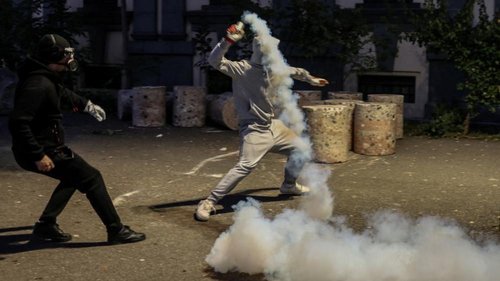
The interim administration of Bangladesh has taken a significant step by banning all activities associated with the Awami League, the political organization linked to ousted leader Sheikh Hasina. This decision, announced on Saturday, is a part of the government’s enforcement of the country's antiterrorism legislation until pending legal matters against the party and its officials are resolved. Since being displaced from power due to a substantial student-led protest movement last summer, Sheikh Hasina fled to India, yet her party continued to remain influential within the political landscape of Bangladesh. Recently, tensions escalated when Hasnat Abdullah, a key figure in the anti-government movement, faced a violent attack, with Hasina's supporters being implicated. This incident ignited further protests, calling for stringent measures against the Awami League. "Our primary objective is to see the complete ban of the Awami League,” declared Hasnat during a rally that attracted hundreds of participants, including numerous injured students. Various political factions, including the student wing of Jamaat-e-Islami and members of multiple Islamic groups, joined forces at the demonstration advocating for the ban. Evening statements from law minister Asif Nazrul emphasized that all Awami League activities would be prohibited until the International Crimes Tribunal concludes its examination of the accusations facing the party and its leaders, allegedly for severe misconduct during the 2024 protests. This tribunal operates on a domestic level, despite its nomenclature, and focuses on claims of atrocities committed by Awami League members.An inquiry commission established by the interim government previously stated that during Hasina's lengthy tenure, she was responsible for orchestrating numerous enforced disappearances. A separate United Nations investigation highlighted over 1,400 fatalities tied to law enforcement and Awami League affiliates during the protests.Responding to the ban and legal amendments, the Awami League criticized the interim government as “illegitimate,” asserting that decisions emanating from it lack credibility. The protests were ignited in 2024, sparked by discontent over a job reservation policy, which rapidly evolved into a substantial uprising against Hasina's governance. The situation intensified following the death of a protestor, leading to internet shutdowns, curfews, and a military response to quell the revolts. Hasina ultimately fled Bangladesh on August 5, preceding the formation of Yunus's new government shortly thereafter.