In brief
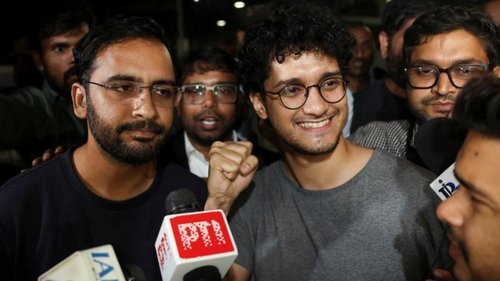
For a week Albanian demonstrators, mainly university and high‑school students, have protested against Prime Minister Edi Rama’s administration, sparking brutal confrontations with riot police. Official reports show nearly 300 people, most of them officers, were hurt during the latest surge on Saturday. Protesters accuse Rama of corruption and lack of reforms, while police accuse them of inciting violence. Amidst tear‑gas and weapons, activists claim the state is cracking down on free speech, with legal aid volunteers stepping in to support arrested participants. The conflict threatens to deepen political divisions as the country debates a transition to a technocratic government.
For a full week Albanian protesters have launched violent demonstrations against Prime Minister Edi Rama, sparking serious clashes with riot police.
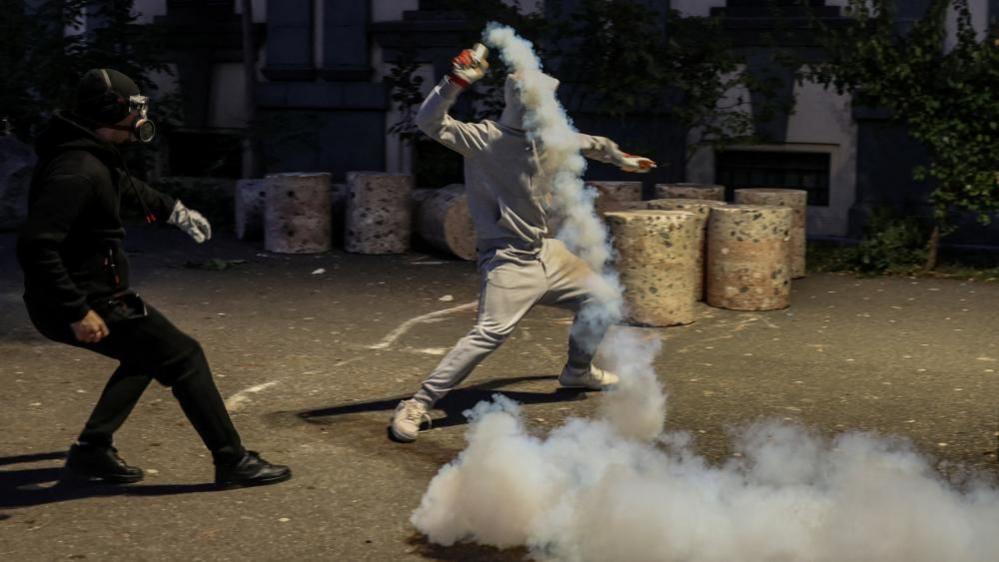
Official numbers indicate nearly 300 people – largely police officers – have sustained injuries since the unrest began, with the most recent violence erupting over Saturday night in the capital city of Tirana.
Protesters, chiefly students, accuse Rama of corruption, broken promises for university reforms and stifling democratic space. Police in turn label the demonstrations as an attempt to violently topple the government, citing the use of stones, canisters and other projectiles. One officer retorted that a state negotiating under duress would mean the system “has fallen”.
Human‑rights lawyers report irregularities in prosecutions, asserting that many suspects were detained without evidence, while activists claim police reignite tension with indiscriminate use of tear gas and pepper spray. Volunteer medics have tried to mitigate injuries at various protests, setting up first‑aid stations and saline spray to treat tear‑gas effects.
Amid the conflict, some demonstrators call for a technocratic government to steer Albania toward European Union membership by 2030, a goal that Rama insists only he can achieve. The protests, which continue daily, highlight a profound generational rift: older citizens who endured decades of instability now demand democratic reform, while youthful activists push for fundamental change.