In brief
In Washington DC, volunteers utilize handheld gas monitors to reveal hidden methane leaks in homes and streets, sparking concern over health risks like asthma. Advanced satellite technologies are also evolving to detect larger methane emissions, underscoring the need for comprehensive monitoring amid rising global methane levels.
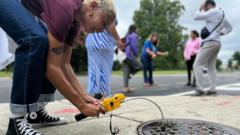
In Washington DC, volunteers and activists have been taking to the streets and homes, armed with advanced gas detection devices, to monitor air quality and inspect for methane presence. These handheld monitors resemble walkie-talkies and measure invisible methane concentrations, alerting users to possible hazardous leaks. Over a 25-hour span, local researchers reported 13 significant outdoor leaks, with some occurring indoors as well.Health impacts are a critical concern, as methane and nitrogen oxides from gas appliances are linked to increased asthma rates. Djamila Bah from the community organization Action in Montgomery notes the distressing statistics that show one in three children in their tested homes suffers from asthma. Methane not only poses health risks but is also a potent greenhouse gas; it has a shorter atmospheric lifespan than carbon dioxide yet retains heat much more effectively. It accounts for approximately 25% of the temperature increase since the industrial era, with emissions arising from fossil fuels, waste, and agriculture sectors. Detecting methane isn't straightforward. Handheld sensors and infrared cameras are essential for ground-based and aerial monitoring, although costs and analysis scale present challenges, according to Andreea Calcan from the International Methane Emissions Observatory. Fortunately, affordable sensors have proliferated in the past decade.On the larger scale, satellites have proven effective in identifying substantial methane emission events, such as major oil and gas leaks or agricultural sources. The recent Tanager-1 satellite, launched in collaboration with Carbon Mapper and NASA, focuses on high-resolution and rapid detection capabilities. Such technology is imperative, as traditionally, distinguishing sources in complex environments has been challenging, particularly in low light or vegetated areas.As these satellite systems develop, they yield insights into methane emissions that were previously difficult to capture. Both Tanager-1 and the MethaneSAT initiative, launched in 2024, aim to provide comprehensive data to better understand global methane footprints.Despite the advancements, translating data into actionable responses remains problematic. The Methane Alert and Response System (MARS) utilizes satellite imagery to identify methane plumes but has only seen a 1% response rate to alerts. Itziar Irakulis Loitxate from MARS suggests that improved communication will increase response effectiveness in the future.Community engagement can empower residents, as evidenced in Washington DC, where locals use their readings to challenge misinformation about air quality. Efforts to monitor and address methane emissions are crucial in mitigating health risks and combating climate change.