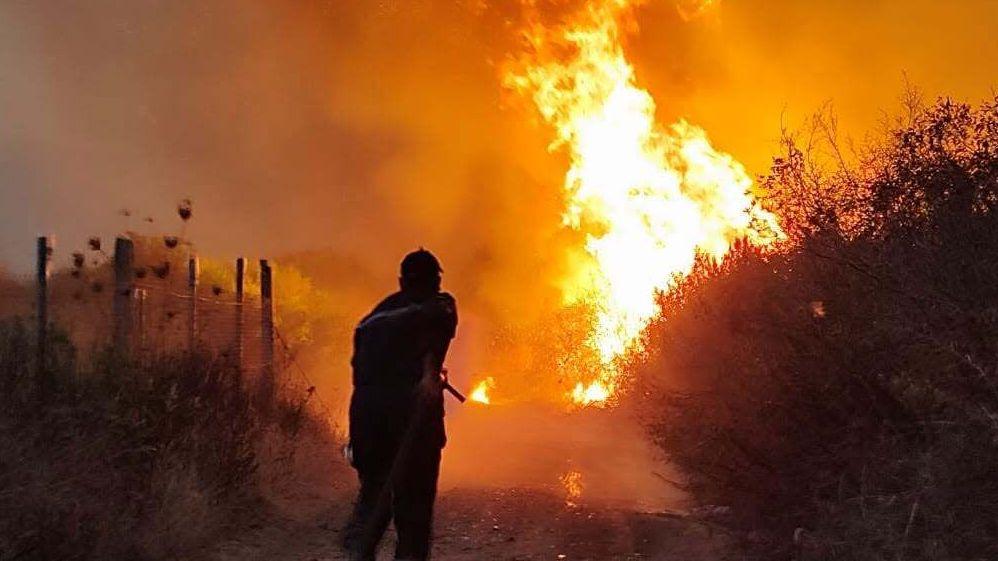
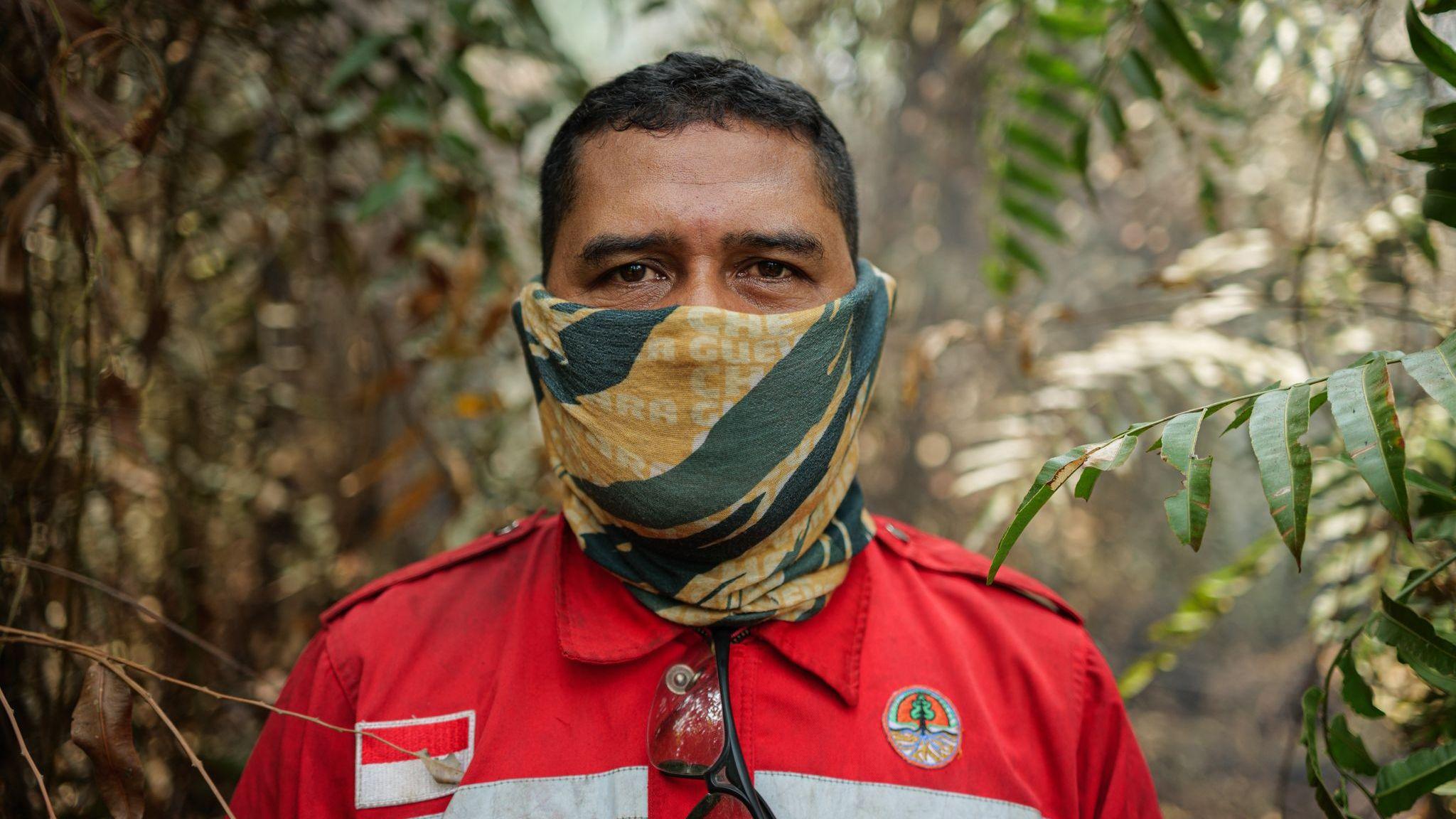
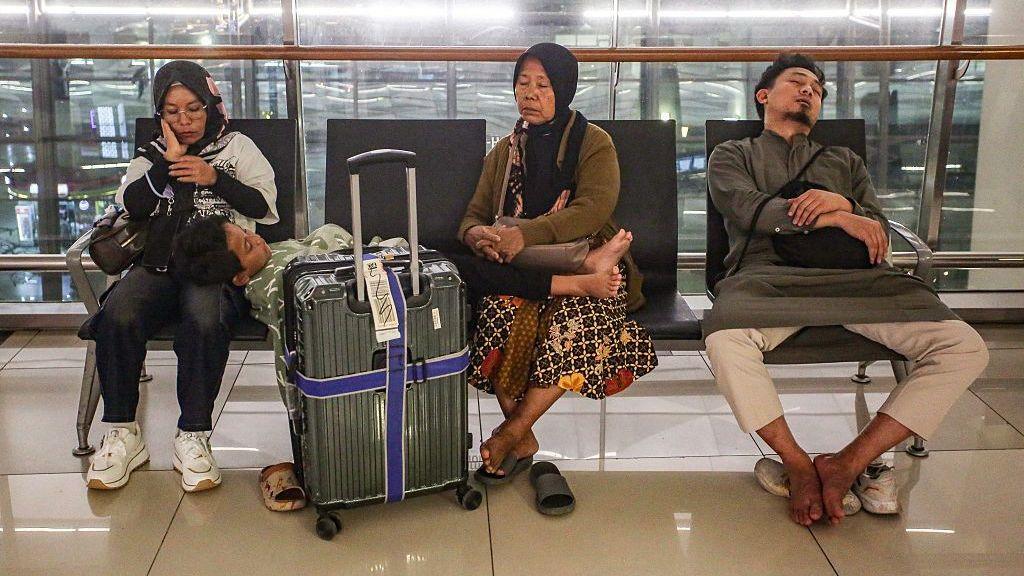
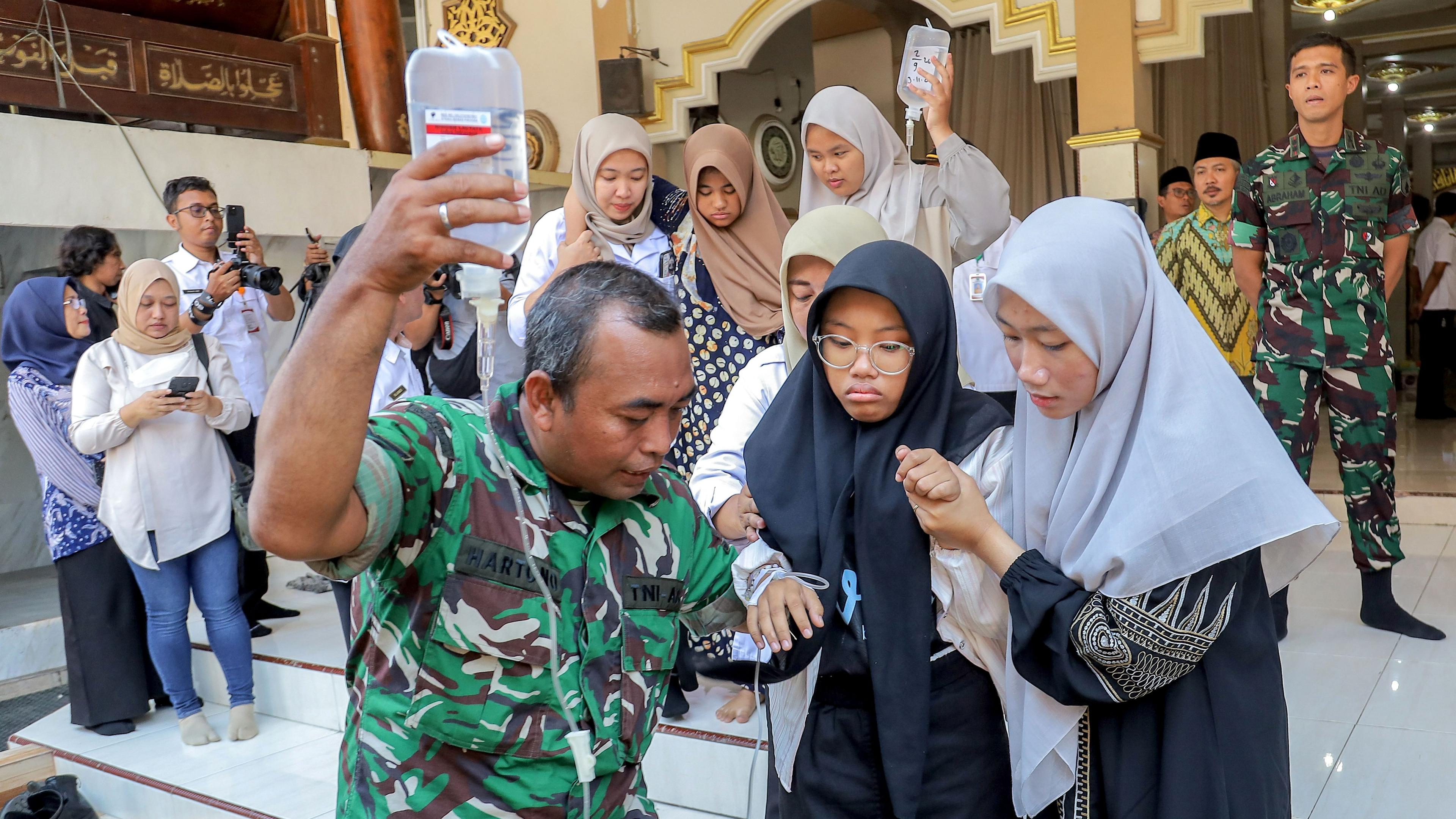
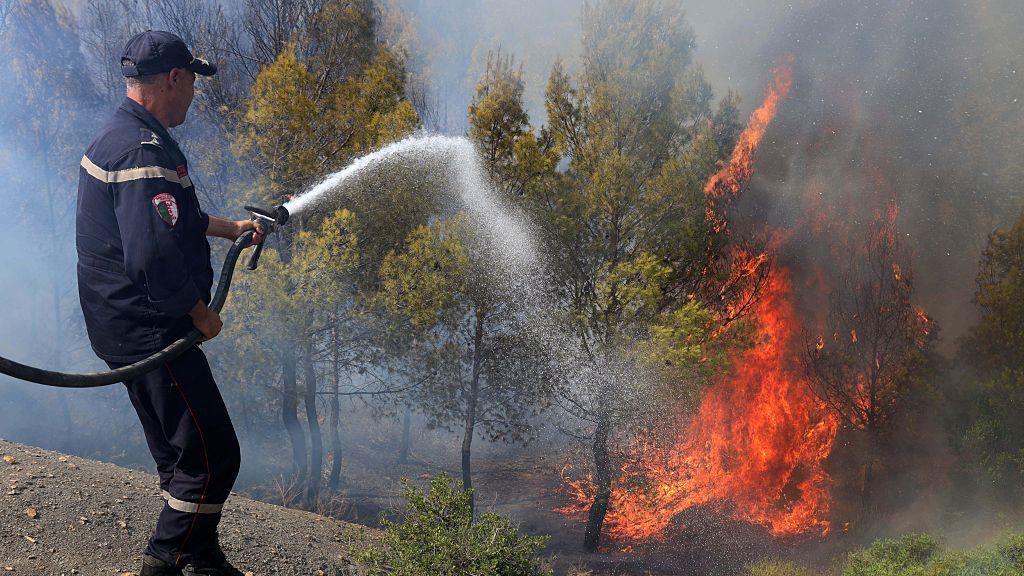
In a blaze that has scorched almost a million hectares of jungle and peatlands across Sumatra and Kalimantan, the resulting plume of smoke is now a smothering blanket over the island city of Singapore.
A Dark Veil Over the City
The haze is so thick that familiar landmarks—Marina Bay, the Merlion and Gardens by the Bay—have become indistinct, stirring feelings of unease among commuters and tourists alike. Monitoring stations report fine‑particle concentrations exceeding 200 µg/m³ on several days, classifying the air as ‘hazardous’ for the most vulnerable groups.
Health and Daily Life on the Decline
Health experts say the smoke carries nitrogen oxides and formaldehyde that can aggravate asthma, cough and eye irritation. Local hospitals have recorded a rise in respiratory admissions, and schools have opened windows deficiently, prompting the Ministry of Health to issue mask‑wearing guidelines and advise the public to limit prolonged outdoor exposure.
Regional Repercussions and Response
This haze is not a Singapore‑only problem: Malaysia, Thailand, Brunei and even parts of India have reported similar air‑quality dips as the smoke drifted across the Malay Peninsula. Speaking on the ground, BBC reporter Tessa Wong explains that the heavy ash plume indicates the fires have entered a ‘cold‑pool’ phase, where cooler temperatures trap smoke over the lowlands and intensify its spread.
What Can Be Done?
Scientists are calling for stronger cross‑border air‑quality agreements and more robust forest‑management policies to curb sparks that ignite peat fires. In the meantime, the government has stepped up satellite monitoring and is coordinating with neighbouring countries to share real‑time data, aiming to forecast haze build‑ups and mitigate their impacts on the public and economy.