In brief
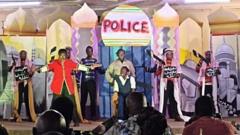
Tensions erupted at Kenya's national high-school drama competition when police fired tear gas to disperse a crowd advocating for a controversial play, "Echoes of War," which highlights youth dissatisfaction with leadership.
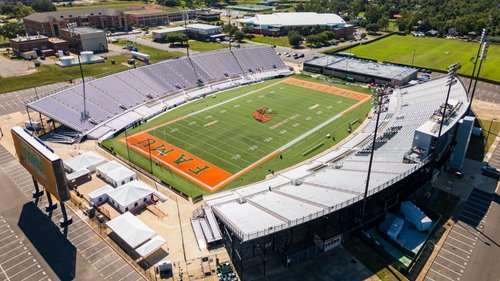
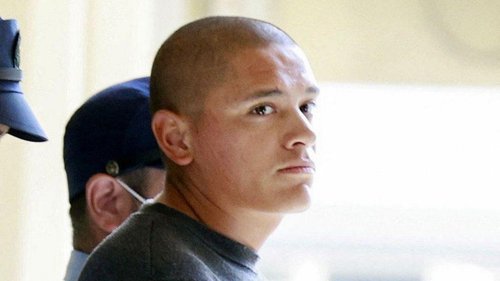
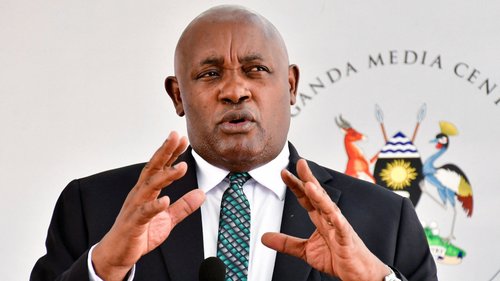
In a dramatic turn of events in Nakuru, Kenya, police unleashed tear gas on spectators at the national high-school drama competition amid protests surrounding a controversial play entitled "Echoes of War." Set in a fictional realm grappling with disillusionment among the youth towards their leaders, the play draws parallels with last year’s protests against tax increases. Initially, the play faced disqualification under mysterious circumstances; however, a High Court intervened, mandating its inclusion. Discontent grew on Thursday morning when students from Butere Girls School exited the venue in a show of solidarity for Cleophas Malala, the play’s author and former senator, who had been detained by police earlier. Malala was barred from attending final rehearsals and was released without charges shortly after his arrest.In his released statement, Malala commended the students for their “heroic restoration” and pledged to ensure the play would be shown to an audience in Kenya. As the girls exited the hall, they asserted, "There's no audience. Who are we performing for?" demonstrating their discontent with police presence and interference.The unrest attracted larger crowds eager to view the performance, prompting anti-riot police to take measures against the gathering. Education Minister Julius Ogamba questioned Malala’s role, suggesting that his involvement diminishes the competition's legitimacy. His sentiments were echoed by Interior Minister Kipchumba Murkomen, who criticized the political intrusion into educational spaces.The incident sparked further outrage, with Amnesty International denouncing the government's trends of suppressing free speech and assembly. Chief Justice Martha Koome remarked that Malala's detention violated a court order, asserting that such actions threaten the rule of law.Prominent political figures, including Kalonzo Musyoka, denounced the police’s tactics and applauded the students for their defiance. The Orange Democratic Movement (ODM) called for the students to be allowed to perform alongside their peers, emphasizing the need for equal treatment in the competition.As the situation unfolds, many are watching closely, hoping for resolutions that honor both artistic expression and student rights in Kenya.