In brief
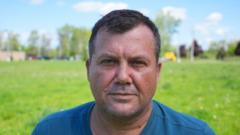
Charl Kleinhaus, a 46-year-old Afrikaner farmer who recently relocated to the US from South Africa, defends his refugee status despite facing backlash and accusations of cowardice from South African leaders. He cites racial discrimination and threats to his life as reasons for seeking asylum.
Charl Kleinhaus, a 46-year-old Afrikaner farmer from Mpumalanga, South Africa, recently moved to the United States under a program designed by former President Donald Trump to grant refugee status to white South Africans facing persecution. After enduring death threats and witnessing increased tensions in his home country, Kleinhaus left behind his family farm, car, and pets to seek a safer life in the US, now residing in a hotel in Buffalo, New York.Kleinhaus recalls his experience with WhatsApp threats claiming, "We’ll get rid of you, you’re on my land," and states he was forced to flee after receiving alarming messages about his safety. While he expresses gratitude to Trump for recognizing the plight of Afrikaners, he acknowledges that there are differing opinions on the legitimacy of his claims among fellow South Africans. Some view him and others like him as opportunists rather than true refugees.The South African government has strongly rejected claims of systematic persecution against white farmers, with President Cyril Ramaphosa referring to Kleinhaus and his peers as "cowards" for abandoning their homeland and its challenges. "As South Africans, we are resilient," Ramaphosa stated, emphasizing the need for citizens to confront their issues head-on instead of fleeing.Kleinhaus's situation highlights the contentious landscape surrounding land ownership and racial tensions in South Africa, with current policies allowing for land expropriation without compensation, raising fears among many Afrikaners about their future viability. Critics of Kleinhaus assert that while he may have experienced crime, being a victim does not equate to deserving refugee status.Despite this, Kleinhaus insists on the weight of his experiences and concerns for his family’s safety, remarking that he is aware of fellow farmers who were murdered. He reveals that he is uncomfortable with media portrayals that brandle him as a political pawn and questions around social media scrutiny, as allegations regarding antisemitic posts he made in the past have emerged.As he navigates these complexities and the fear surrounding potential policy reversals, Kleinhaus remains hopeful, attributing his arrival in the US as part of a larger divine plan for his life. He asserts a commitment to contribute positively to his new home, navigating the challenges he faces as a newcomer in an unfamiliar environment.