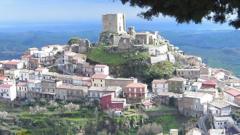
In a unique approach to address healthcare inadequacies, the small village of Belcastro in southern Italy has humorously declared a ban on residents becoming seriously ill. Though the decree by Mayor Antonio Torchia was intended as a "humorous provocation," it sheds light on the concerning situation of healthcare in the impoverished region of Calabria.
Belcastro, home to approximately 1,200 residents, suffers from a dire lack of medical services, particularly significant given that nearly half of its population is over the age of 65. Mayor Torchia emphasized the astonishing reality that the nearest Accident & Emergency (A&E) department is located over 45 kilometers away, and reaching it requires navigating a road with a speed limit of just 30 kilometers per hour (18 mph), presenting its own risks.
The local doctor’s surgery operates for limited hours, offering no support during weekends or holidays. This lack of accessibility raises concerns among the residents, who are reminded they must be cautious of accidents and avoid unnecessary risks, as the journey to the A&E could be increasingly treacherous.
While the decree instructs citizens to refrain from engaging in potentially harmful activities and to rest more often, its enforcement remains uncertain. This whimsical initiative is a response to the ongoing healthcare crisis in Calabria, a region plagued by political mismanagement and mafia interference that has severely impacted its healthcare system over the past decade.
Since 2009, eighteen hospitals in Calabria have shuttered their doors, compelling many residents to seek medical assistance beyond regional boundaries. Amidst this dire scenario, regional governor Roberto Occhiuto highlighted a recent agreement with Cuba to send 497 doctors to bolster the healthcare workforce over a span of three years.
Residents of Belcastro have expressed support for Mayor Torchia’s decision, saying that the unique decree effectively shines a spotlight on their community’s pressing issues. The mayor's bold action is seen as a means to "shake consciences," illustrating the dire need for reform and improvement in healthcare for the people of Calabria.