In brief
In an unprecedented move, local authorities in Fujiyoshida, Japan, have decided to cancel this year's cherry blossom festival due to an influx of tourists exhibiting disruptive behaviors. Residents have reported trespassing, littering, and disrespectful actions during peak bloom season, leading the mayor to express concern for the community's quality of life. This cancellation aims to protect the dignity of citizens and preserve their living environment.
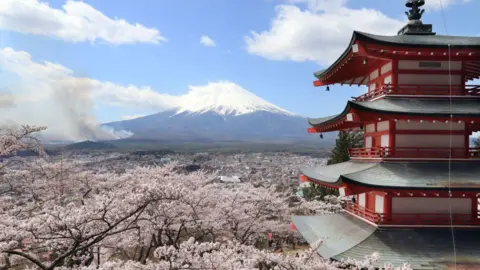
The cherry blossom festival in Fujiyoshida, located near Mount Fuji, has been cancelled by local authorities due to a surge in tourist activity that has become challenging for the community to manage. The popular festival had been a beloved tradition for the past decade, designed to showcase the area’s famous sakura (cherry blossoms) alongside spectacular views of the iconic Mount Fuji.Local officials have expressed that the overwhelming number of visitors has led to severe traffic congestion, littering, and even incidents of tourists defecating on private property, wreaking havoc on residents' daily lives. Mayor Shigeru Horiuchi declared their decision, stating it was essential to protect the dignity and living conditions of the locals, which have been compromised by the influx of tourists drawn by social media and tourism promotions.Daily visitor numbers during the peak blossom season have reportedly reached as high as 10,000, overwhelming the local infrastructure and leading to 'overtourism.' With the festival not taking place this year, Fujiyoshida authorities are still preparing for an anticipated increase in visitors during the cherry blossom months of April and May, attempting to balance tourism benefits with the quality of life for its residents. This situation in Fujiyoshida reflects a broader trend in Japan and beyond, where localities are grappling with how to manage unprecedented tourism challenges effectively. Similar measures have been observed in other tourist-heavy areas globally, indicating a growing awareness of sustainable tourism practices.