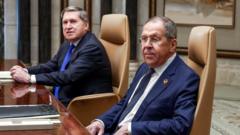
The sight of senior Russian and American officials back around a giant negotiating table in Saudi Arabia is an extraordinary moment, particularly hard for Ukrainians to accept. After three years of an all-out war against Ukraine and Western-imposed isolation, Moscow has managed a significant diplomatic comeback, appearing to dictate the terms of engagement. Despite continuing air raid sirens in Ukraine, Russia projects itself not as a defeated entity but as a key player in global diplomacy.
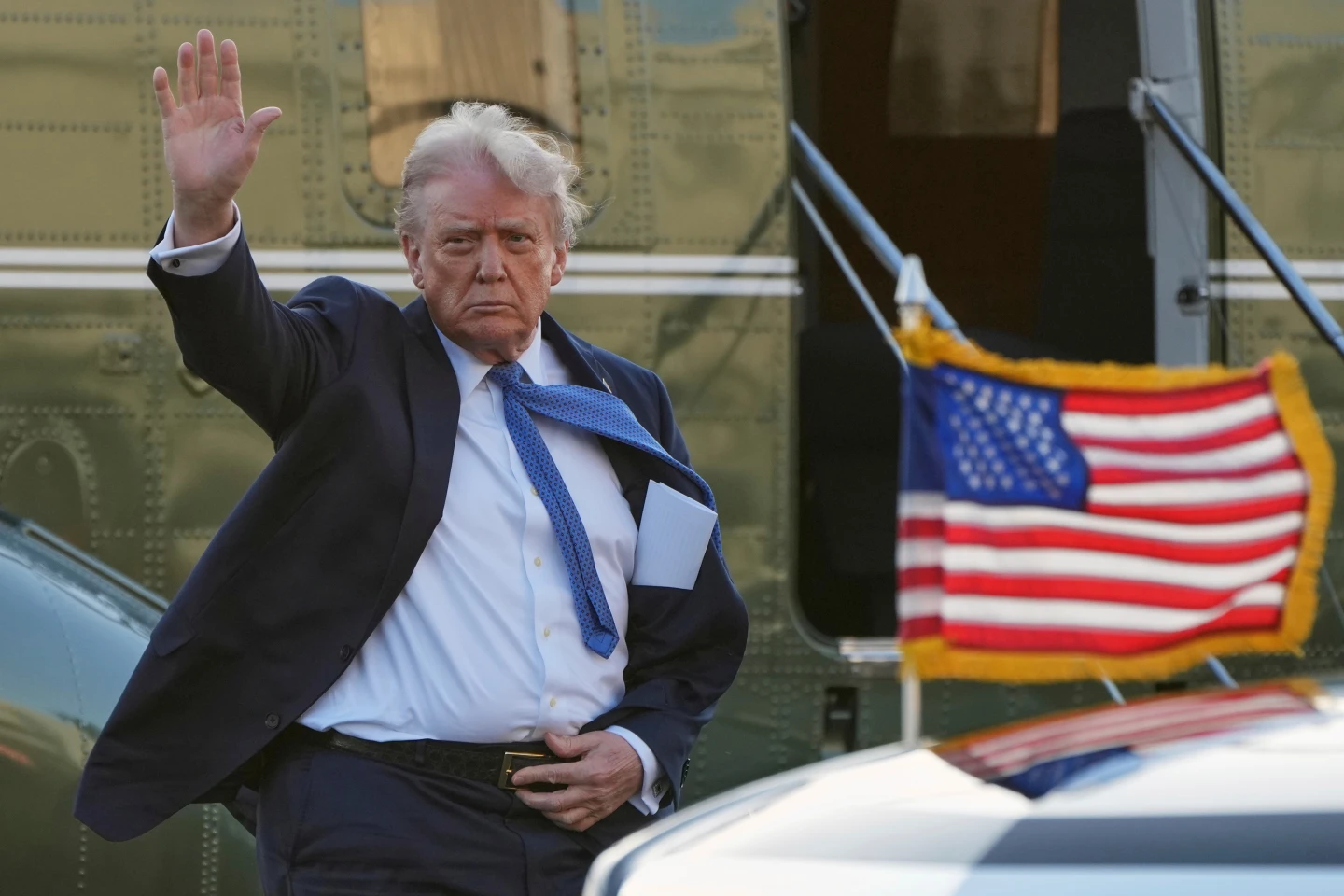
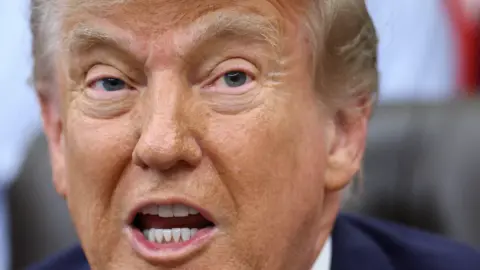
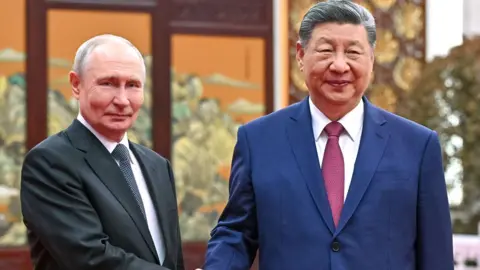
U.S. officials entered talks aiming to gauge Russia's sincerity regarding peace. However, former President Donald Trump expressed confidence after speaking with Vladimir Putin, citing the Russian leader's desire to see an end to the conflict. Trump seems inclined toward negotiating a deal with Russia rather than demanding troop withdrawal, aligning with his commitment to resolve the situation for voters.
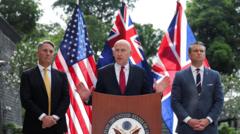
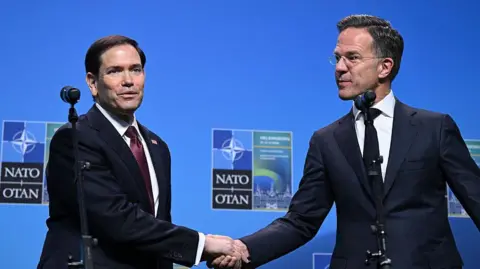
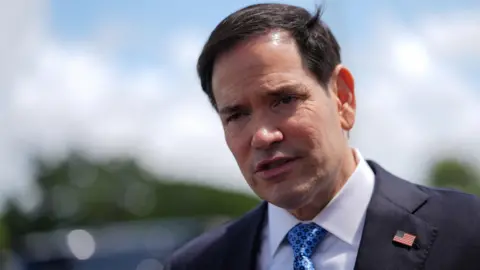
Following over four hours of discussions, U.S. Secretary of State Marco Rubio announced step towards initial negotiations, with teams to be established. He expressed belief that Russia was ready to engage seriously in peace talks. Yet, skepticism lingers regarding Moscow’s willingness to compromise, especially since Foreign Minister Sergei Lavrov, under sanctions, rejected a U.S. proposal for a moratorium on attacks on energy infrastructure.
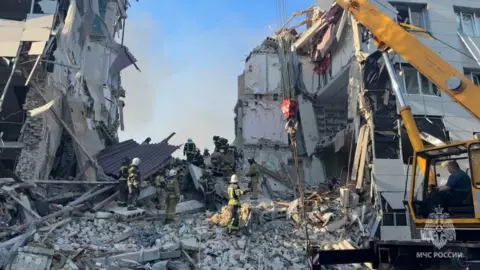
Lavrov's assertions concerning the targeting of civilian areas dramatically contradict on-ground reports of damaged civilian power stations. There is a prevailing distrust regarding Russia's engagement, particularly with the Trump administration having already indicated that Ukraine would not join NATO—one of Moscow's primary demands. For Ukraine's allies, the mere sight of U.S. and Russian officials negotiating in Riyadh raises alarms, compounded by discussions hinting at future investments potentially leading to sanctions relief.
Although these negotiations commence a new chapter, Russian officials and media are interpreting this as a revitalization of their global standing, suggesting they are regaining a place at the negotiating table as equals to the United States.