In brief
The Israeli army carried out demolition and artillery strikes across southern Lebanon on Saturday, underscoring continued resistance despite a framework deal aimed at withdrawing Israeli forces. Health ministry reports show over 4,000 killed and more than 12,000 injured since March. The conflict traces back to an Israeli advance of about 10 km into Lebanon during the 2023‑2024 war.
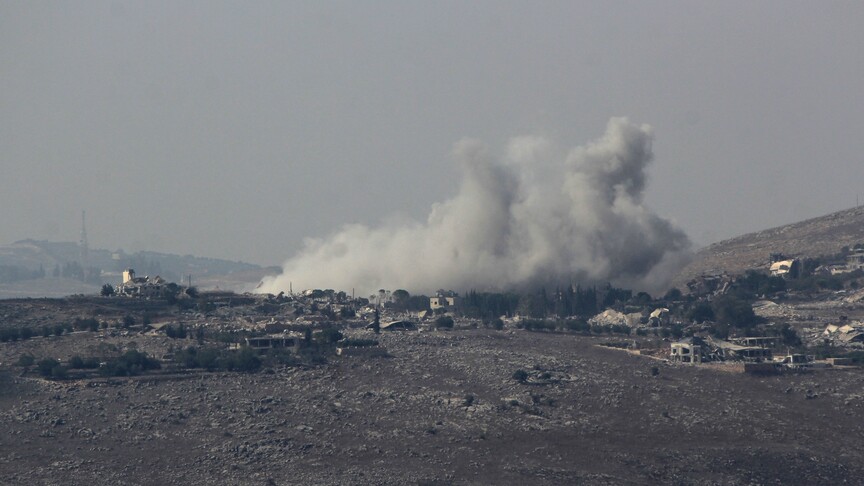
On Saturday, Nov. 7, the Israeli army conducted demolition and artillery strikes across several districts of southern Lebanon, according to reports from the state‑run National News Agency (NNA), indicating that hostilities persist despite a U.S.-brokered framework agreement signed in June. The strikes, affecting villages such as Bani Hayyan, highlight the fragile security situation in the region.
The army's operations included a demolition mission in the village of Bani Hayyan and artillery shelling on the outskirts of Wadi al‑Hujair in the Jabal Amel region. Search teams were also reported in Khiam in Marjayoun district. Overnight, artillery fire intermittently hit the outskirts of Baraachit in Bint Jbeil district and Wadi Zibqin, signaling a broad‑area engagement.
Further attacks were reported Friday evening, with Israeli artillery targeting the al‑Arayesh area between Haris and Hadatha in Bint Jbeil and deploying heavy machine guns toward the outskirts of Mansouri and Bayut al‑Sayyad south of Tyre, accompanied by additional shelling and precision strikes.
The U.S.-brokered framework agreement reached in June calls for a staged Israeli withdrawal from occupied Lebanese territory, with the Lebanese army taking over security duties once the pullout is complete. However, the current actions suggest a reluctance to immediately comply with the agreement.
Lebanon’s Health Ministry, as reported by the Anadolu Agency, says that since the onset of hostilities on March 2, 4,390 civilians have been killed and 12,429 injured by Israeli attacks, with the numbers last updated on Nov. 5.
Israeli forces entered southern Lebanon during the 2023–2024 war, advancing roughly 10 kilometers (6.2 miles) deep into Lebanese territory, a movement that intensified the strategic significance of the region and prompted the ongoing conflict.